From Luxury Hotel Lunchboxes to Convenience Store Items and Traditional Market Sashimi Variety
Leading Company Starbucks, Reasons for Drive-Thru Popularity
The Origin of Drive Service Dates Back to 1930s American Banks
[Asia Economy Reporter Lim Hye-seon] Drive-thru services are evolving in the distribution industry. Not only cafes and fast-food outlets but also convenience stores, luxury hotels, and traditional markets are adopting drive-thru services. Due to the prolonged COVID-19 pandemic, it has been judged that growth is no longer possible through offline sales structures alone, prompting a strengthening of contactless services. Drive-thru refers to a method where drivers can purchase goods while remaining in their cars or to stores that operate such sales methods.
From Luxury Hotel Lunchboxes to Convenience Store Items
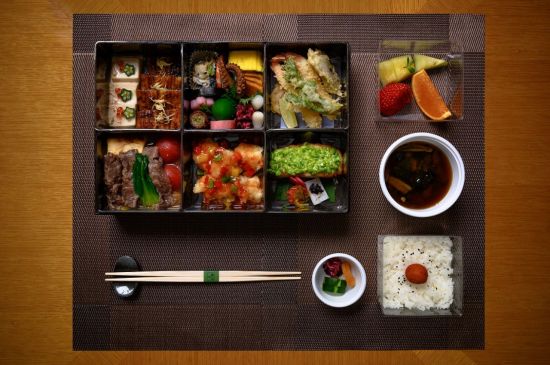
Lotte Hotel was the first in the industry to introduce drive-thru services. Lotte Hotel launched the ‘Signature Box,’ which allows customers to purchase lunchboxes from the Japanese restaurant Momoyama and the bakery Delica Hans. At the end of last year, they also released the 'Holiday Gala at Home' product for year-end home parties. Lotte Hotel announced that drive-thru lunchbox sales in December increased fourfold compared to the previous month. The formal dinner menu ‘Holiday Gala at Home,’ sold exclusively in December, accounted for 30% of total sales. The ‘Signature Box’ launched in March last year and Momoyama’s ‘Bento Box’ sold more than 2,000 units. Lunchbox prices range from 30,000 to 110,000 KRW.
A Lotte Hotel representative explained, "Over the past year, we strengthened the lineup of lunchbox and home dining drive-thru menus and focused on contactless marketing. Initially, middle-aged and older regular customers were the main users, but the proportion of young female customers has been steadily increasing." Lotte Hotel plans to continue offering various untact menus this year tailored to customer types and needs, such as solo drinking, camping, formal course meals, and late-night menus.
The lunchboxes sold at Plaza Hotel, operated by Hanwha Hotels & Resorts, consist of signature menus from the Chinese restaurant Dowon and the buffet Sevensquare.
Convenience stores are also participating. CU’s drive-thru service allows customers to select a specific store and order desired products through the mobility commerce platform 'Owin' application. Unlike fast-food drive-thru services, CU’s drive-thru requires customers to pre-order via the app and pick up already packaged products, reducing service time and making it easy to use. Another advantage is that an alert popup appears immediately on the POS when an order is received, reducing the operational burden on franchise stores. The performance is also positive. From the 1st to the 7th of this month, the number of uses increased 4.6 times compared to the week after the service opened from the 10th to the 16th of last month. CU officially launched the service on the 10th of last month and started operating it at 500 stores in Seoul and the metropolitan area. Now, less than a month later, 1,100 stores operate the service. CU expects to introduce the service at 3,000 stores nationwide by the first half of this year.
Drive-thru is also available at traditional markets such as Noryangjin Fish Market. Since March last year, customers can receive pre-ordered sashimi directly in their cars. After introducing drive-thru, sales reached 130 million KRW within just one month.
Reasons for Starbucks’ Popularity as a Pioneer
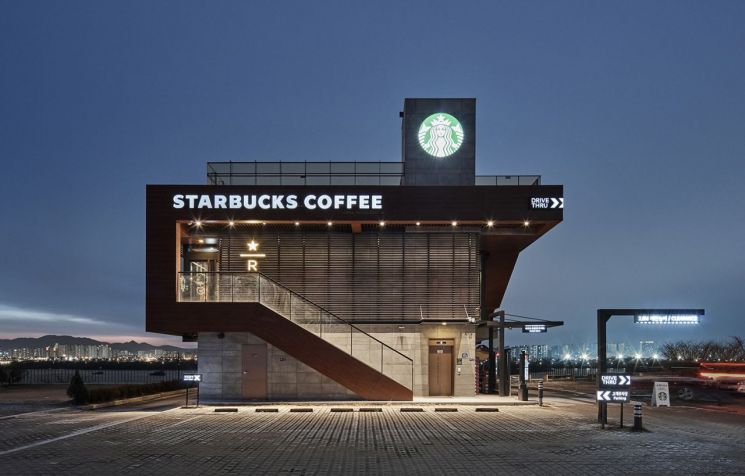
Starbucks opened Korea’s first drive-thru store, Gyeongju Bomun-ro branch, in 2012 and operates 281 stores as of the end of last year. Drive-thru stores account for about 18% of all stores. These stores provide seating areas like regular stores and allow customers to order drinks without leaving their vehicles through the drive-thru ordering area, enhancing customer convenience compared to regular stores.
With various regional developments such as domestic tourist sites and new towns, the living areas using cars are expanding. Drive-thru stores break away from the traditional store location perspective that considers securing foot traffic and safe locations, creating new spatial value from a different viewpoint.
Starbucks’ drive-thru stores are gaining attention due to their high convenience and safety. Starbucks has continuously integrated various IT services to enhance driver customers’ convenience and ensure safe use.
In April 2018, Starbucks launched a voice ordering service linked with Samsung Electronics’ Bixby, followed by a voice ordering service linked with SK Telecom’s T map in June. Since June 2018, Starbucks has also introduced the ‘My DT Pass Service,’ the world’s first, which automatically charges orders to a pre-registered Starbucks card linked to the customer’s vehicle information without requiring a separate payment method. This service links the customer’s vehicle information with a prepaid Starbucks card, allowing customers to receive their orders and exit immediately without presenting a payment method at the drive-thru. It prevents driver distraction during payment preparation, ensuring safety, and greatly improves convenience by eliminating the hassle of preparing payment while driving in a confined space. The number of registered users has surpassed 1.5 million cumulatively.
There is also a video ordering service, the first of its kind worldwide at Starbucks. This system embodies Starbucks’ philosophy of listening attentively while making eye contact with customers and reflects the Korean sentiment of sharing warmth face-to-face. Through a 42-inch large smart panel developed domestically, customers can look at baristas, exchange gestures, and order comfortably through conversation. All menus can be conveniently reviewed, and order details and payment amounts are clearly displayed on the screen. When picking up coffee, a screen showing the payment amount is provided, making payment easy. This video ordering system is a customer-friendly digital system unique to Korea among Starbucks stores worldwide and serves as a valuable benchmarking example that Starbucks officials from other countries visit when in Korea.
The First Place to Introduce Drive-Thru Worldwide
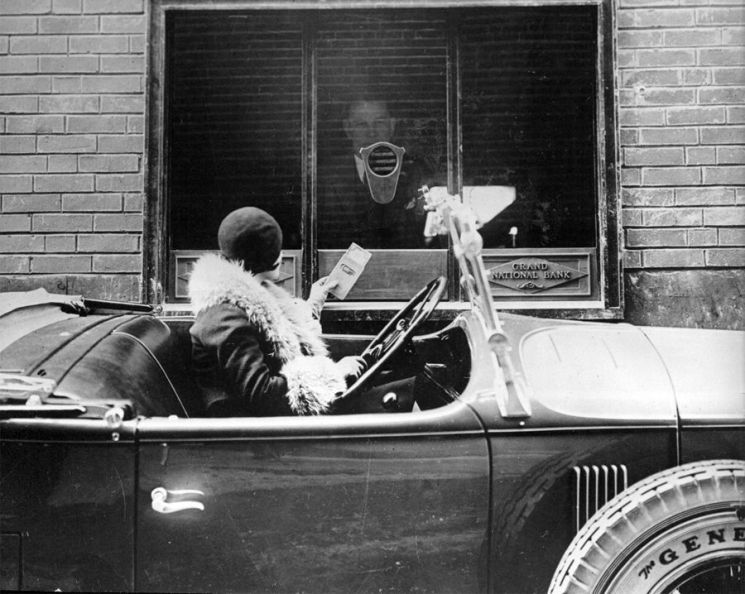
Drive-thru service first started in the United States. In 1930, the Grand National Bank in St. Louis, a major financial hub, created a drive-thru bank window that allowed deposits only to prevent robberies. This window was equipped with iron bars, and employees received cash inside, reportedly designed for crime prevention.
In the distribution industry, the service was introduced in 1947 at the Red Giant Hamburger restaurant located in Springfield, Missouri. The store was situated on Route 66, the first transcontinental highway in the U.S., establishing itself as a drive-thru specialized restaurant. In Korea, the drive-thru service was first implemented in 1992 at the McDonald’s Busan Haeundae branch.
© The Asia Business Daily(www.asiae.co.kr). All rights reserved.



















