Saudi Arabia Advocates Maintaining Current Production Cuts, Russia Demands Increase
Adjusting Q1 Next Year Production Cuts to 7.2 Million Barrels
Crisis Averted, but Compliance with Agreement Remains to Be Seen
Flexible Adjustment of Oil Output Open Depending on Market Conditions
Production Volume for Q2 Next Year to Be Discussed
[Asia Economy Reporter Naju-seok] OPEC+ (Organization of the Petroleum Exporting Countries (OPEC) member countries and non-OPEC coalition) held a meeting on the 3rd (local time) and agreed to increase crude oil production by 500,000 barrels per day in the first quarter of next year compared to the current level. This is a compromise between Saudi Arabia's demand to maintain the current level and Russia's demand to increase production.
According to the Wall Street Journal (WSJ) on the same day, OPEC+ member countries discussed the scale of crude oil production for the first quarter of next year through a video conference and reached this agreement. Accordingly, the OPEC+ production cut scale will be reduced from 7.7 million barrels per day to 7.2 million barrels per day. According to the original OPEC+ agreement in April this year, the production cut scale was supposed to be reduced to 5.8 million barrels per day starting January next year.
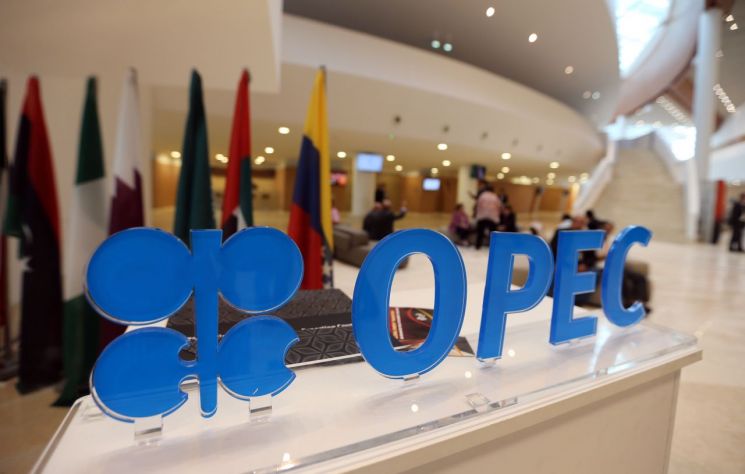
Initially, there was tension surrounding this agreement. The OPEC+ meeting was originally scheduled for the 1st, but even within OPEC, no consensus was reached, forcing a sudden change in schedule. The market, which feared that oil-producing countries would clash again over the production cut scale, showed an upward trend as the agreement was reached. On the New York Mercantile Exchange (NYMEX), West Texas Intermediate (WTI) crude oil for January delivery next year closed at $45.64 per barrel, up 0.8% ($0.36).
Some oil-producing countries, including Saudi Arabia, expressed concerns about the rapidly spreading novel coronavirus disease (COVID-19) in the US and Europe and insisted that the current production cut scale should be maintained early next year. On the other hand, there was significant opposition arguing that the global economy would rebound next year due to COVID-19 vaccine development and that if oil-producing countries delayed the decision to increase production, US shale companies would benefit. In particular, Russia and Kazakhstan, which are not members of OPEC, strongly advocated for increasing production.
Moreover, there were also issues raised about the lack of proper implementation of the agreement within OPEC+. The United Arab Emirates (UAE) raised concerns about oil-producing countries violating their assigned production cut quotas and supplying more oil to the market than agreed.
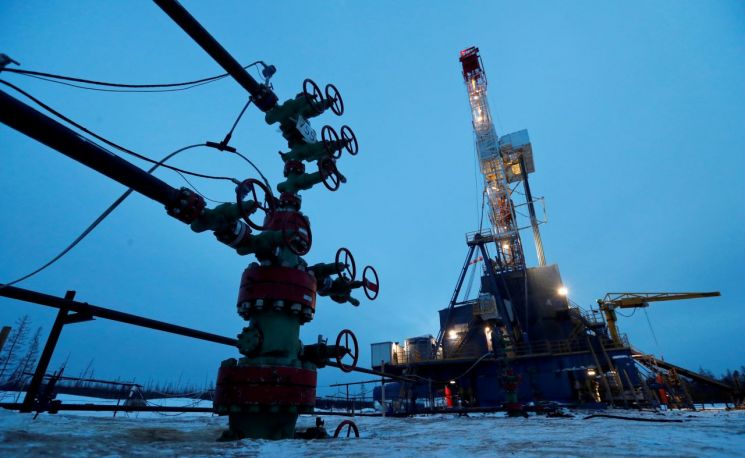
Helima Croft, Head of Global Commodity Strategy at RBC Capital Markets, said, "The key issue is whether oil-producing countries can increase production as agreed," adding, "Iraq and Nigeria are already putting their existing oil on the market." The implementation of the agreement among oil-producing countries is crucial.
Despite these differences, oil-producing countries chose compromise. On the surface, conflicts appear to have been resolved, but as confirmed during the meeting process, significant conflicts have surfaced within the oil-producing countries.
The crude oil production scale for the second quarter of next year will depend on the meeting in February next year. Saudi Oil Minister Abdulaziz bin Salman said regarding this agreement, "The agreement can be adjusted at any time as needed." Russian Energy Minister Alexander Novak stated, "We are considering market conditions," and added, "Production scale can be adjusted in any direction."
© The Asia Business Daily(www.asiae.co.kr). All rights reserved.


















