Bank of Korea's 'November Housing Price Outlook CSI' Hits Record High
Sharp Rise in Housing Price Expectations Among 20s-30s and Six Major Metropolitan Cities Including Busan
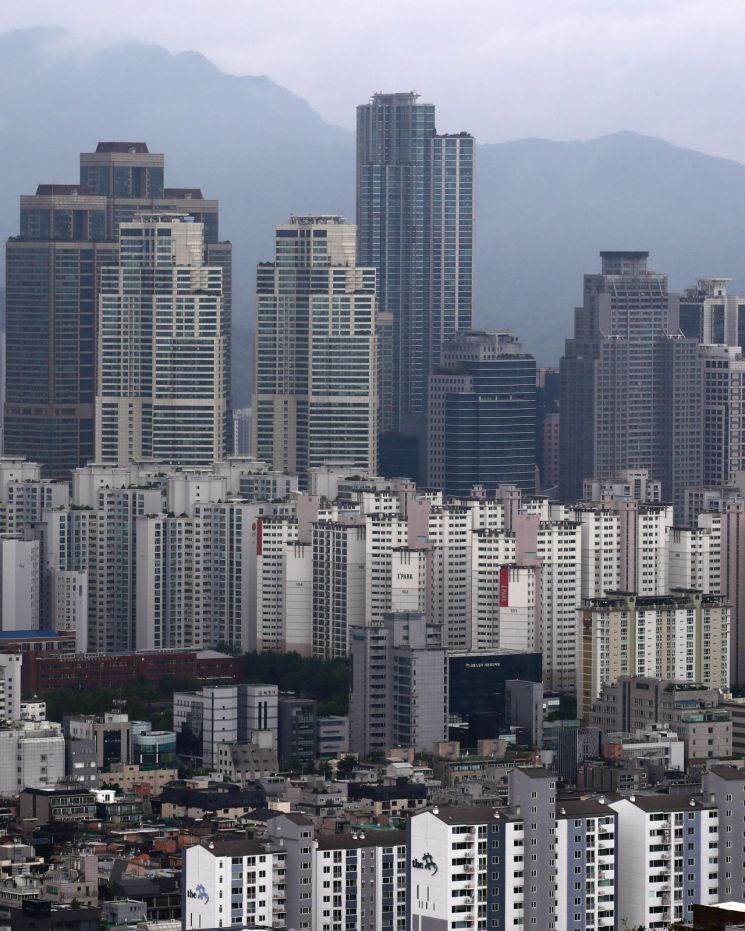
[Asia Economy Reporter Kim Eunbyeol] The government's high-intensity real estate regulations have ultimately fueled the 'real estate invincibility' mentality to an all-time high. Consumer expectations that housing prices will rise further reached a record high this month. The sentiment predicting housing price increases soared to the highest level not only in Seoul and the metropolitan area but also in the six major metropolitan cities. Regardless of age group, most people anticipated housing price increases, with particularly many in their 20s and 30s expecting prices to rise further. Despite the government releasing 24 real estate measures to artificially control prices, the public is increasingly confident that housing prices will continue to rise.
According to the 'November 2020 Consumer Sentiment Survey' released by the Bank of Korea on the 24th, the Housing Price Expectation Consumer Sentiment Index (CSI) recorded 130, rising 8 points from the previous month. This is the highest level since the Bank of Korea began collecting related statistics in January 2013. The Housing Price Expectation CSI quantifies responses to the question of how housing prices are expected to change one year from now compared to the present. A value above 100 means that more respondents believe housing prices will rise in a year than those who think otherwise.
Hwang Heejin, head of the Statistical Survey Team at the Bank of Korea's Economic Statistics Bureau, explained, "The nationwide apartment sale price increase trend continues, and although it has somewhat slowed in Seoul, the upward trend has not stopped in the six major metropolitan cities such as Busan and Incheon, as well as in provincial areas." He added, "The recent sharp rise in jeonse (long-term lease) prices also had an impact."
The proportion of respondents who identified rent (56.3%) as a major factor influencing consumer price inflation over the next year also rose significantly. Last month, only about 46.9% of respondents considered rent to affect inflation, but this increased by 9.4 percentage points in one month, surpassing half.
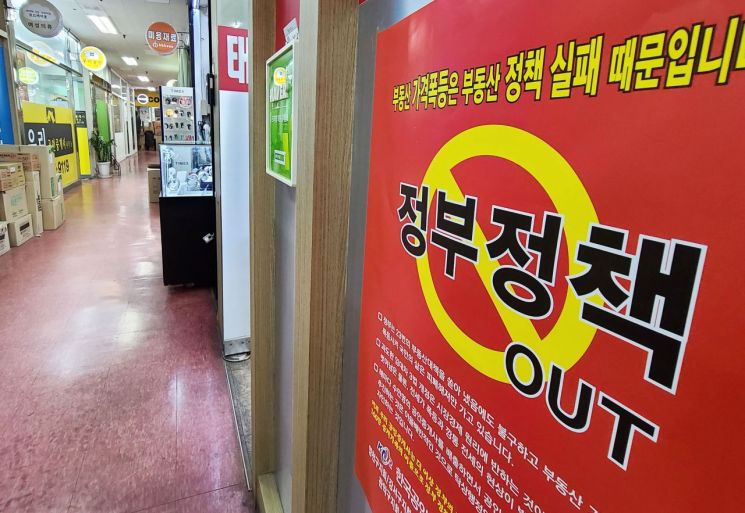
Looking at the Housing Price Expectation CSI by age group, a strong distrust of the government's real estate measures was evident among younger generations. According to the Bank of Korea survey, the Housing Price Expectation CSI for the under-40 group (20s and 30s) jumped from 127 last month to 136 this month. This is 6 points higher than the average (130), fueling the sentiment of rising housing prices. It reflects a strong feeling among young people that "if you do nothing, you will never be able to buy a house in your lifetime."
The balloon effect seen in provincial areas due to real estate regulations in the metropolitan area was also confirmed in the CSI survey. The Housing Price Expectation CSI for the six major metropolitan cities (136) rose 11 points from last month (125), surpassing Seoul (126) by 10 points.
Economic experts pointed out that the biggest problem is that the government's real estate regulations have failed to gain public trust. Statements from the government such as "We will supply villas like apartments" and "It is unfortunate to buy a house with 영끌 (borrowing to the limit)" have instead undermined trust and fueled expectations that housing prices will rise further. A senior Bank of Korea official said, "The main cause of the real estate problem is psychology, and the belief that housing prices will rise is not being controlled at all." He added, "When measures are introduced without establishing trust, housing prices tend to rise further."
Looking at the trend of the Housing Price Expectation CSI, it is ironically clear that the index surged each time a real estate measure was announced during the Moon administration. When the '9.13 Real Estate Measures,' which included an increase in comprehensive real estate tax, were announced in September 2018, the Housing Price Expectation CSI rose to 128, the highest level until this month. Last year, when the government introduced the '12.16 Measures,' which covered tax, finance, and subscription systems, the Housing Price Expectation CSI rose to 125. This year, due to the impact of COVID-19, the index fell below 100 in April and May, but when the 'Lease 3 Laws (Contract Renewal Request System, Rent Cap System, Rent Reporting System)' were announced last summer, jeonse prices surged, fueling housing price expectations. The policy impact seemed to work briefly, but the index jumped to 122 in October and 130 this month.
Meanwhile, the Consumer Confidence Index (CCSI), which reflects consumers' perceptions of the overall economy this month, rose 6.3 points from the previous month to 97.9. This surpasses the level in February (96.9), when COVID-19 began to spread in earnest, and is the highest since January (104.2). However, this survey was conducted from the 10th to the 16th, before the full-scale resurgence of COVID-19, so next month’s results are uncertain. Hwang Heejin of the Bank of Korea’s Economic Statistics Bureau said, "If the recently released consumption stimulus measures falter, the economy and consumption patterns will be affected. The success of quarantine measures against the third wave and adjustments to social distancing levels are the biggest variables."
© The Asia Business Daily(www.asiae.co.kr). All rights reserved.


















