Professor Seojeong Geon of Kyung Hee University Lectures at Anmin Forum
January Next Year a Turning Point for Georgia State Senate
Trump's Ability to Mobilize Conservative Voters Confirmed
"US Goals on Korean Peninsula Change with National Interest... South Korea Also Faces National Interest Concerns"
[Asia Economy Reporter Naju-seok] "The reason the Republican leadership is delaying a break with U.S. President Donald Trump is not because they like him, but because they need him until January 5."
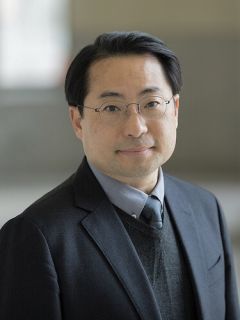
On the 20th, Professor Seo Jeong-geon of the Department of Political Science and Diplomacy at Kyung Hee University explained the significance of the 2020 U.S. presidential election results at the Anmin Policy Forum Wi Gong Seminar Room in Jung-gu, Seoul. He explained that the Republican leadership's support for President Trump, saying he has the 'right to sue' rather than persuading him to concede in this election, is linked to the Georgia Senate runoff elections. Professor Seo said, "The Republican Party can become the majority party in the Senate only if it wins the Georgia Senate seats. As confirmed by the fact that President Trump received 10 million more votes than in the last election, he has the ability to mobilize conservative voters, so he is needed in this situation."
The U.S. Senate, which opens on January 3 this year, will convene without a confirmed majority party due to the undecided outcome of the two Georgia Senate seats. Most states elect senators by plurality, but Georgia holds a runoff if no candidate receives a majority. Currently, the Republicans have secured 50 seats and the Democrats 48 seats in the new Congress opening next January. If the Democrats win both Georgia runoff seats, the seat count will be tied at 50:50. Considering that Vice President-elect Kamala Harris can cast a tie-breaking vote as Senate President after the inauguration, the Democrats would become the majority party. For the Republicans, winning the Georgia elections is essential by any means.
Although Biden won this presidential election, Professor Seo pointed out that changes in the congressional landscape should also be noted. He introduced that the importance of congressional politics has increased as the Republicans performed well in this congressional election. Professor Seo said, "There has never been an election in decades where the seat difference in the House was this narrow," and predicted, "This could lead to unpredictable dynamics in U.S. politics."
For example, policy directions could change significantly based on the positions of minority factions within each party. It has become possible for progressive Democrats and Trump-supporting Republicans to form alliances and push policies together. From the Republican perspective, maintaining the majority in the Senate, combined with the dynamism of House politics, could enable effective checks on the Biden administration's policies.
There is also a prospect that this congressional situation could be connected to the Korean Peninsula issue.
Professor Seo emphasized the need to pay attention to progressive lawmakers like Democratic Representative Ro Khanna, who proposed resolutions supporting a declaration to end the Korean War, and their interest in North Korean denuclearization. He said, "President Trump viewed North Korean denuclearization as an election issue, but for the Democrats, it can be an innovative agenda," adding, "Addressing climate change requires funding, which necessitates cuts in defense spending, and a peace mood can justify defense budget reductions." This suggests that a peace atmosphere on the Korean Peninsula could be fostered within the context of U.S. national interests.
Regarding future U.S. policy on the Korean Peninsula, Professor Seo stated, "We need serious internal discussions about what our national interests are," and added, "We must move away from the mindset of relying on and asking the U.S. for Korean Peninsula denuclearization and related issues."
© The Asia Business Daily(www.asiae.co.kr). All rights reserved.
![Clutching a Stolen Dior Bag, Saying "I Hate Being Poor but Real"... The Grotesque Con of a "Human Knockoff" [Slate]](https://cwcontent.asiae.co.kr/asiaresize/183/2026021902243444107_1771435474.jpg)
















