Preparation Planning Team to Propose Boundary Adjustment Reform Plan to City After Finalizing Within the Year
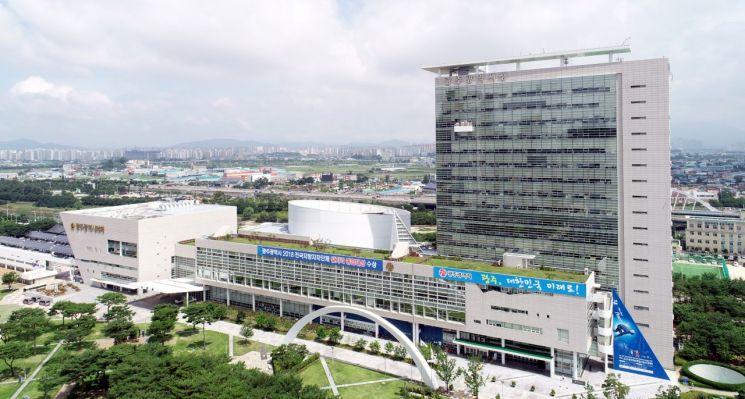
[Asia Economy Honam Reporting Headquarters Reporter Park Seon-gang] Gwangju Metropolitan City announced on the 27th that it held the 5th meeting of the Autonomous District Boundary Adjustment Preparation Planning Group at the Kim Dae-jung Convention Center to discuss alternatives for the reorganization of autonomous district boundaries and the future implementation schedule.
This meeting resumed discussions on boundary adjustments, which had been suspended for over two years due to opposition from some political circles and stakeholders since the final report meeting of the boundary adjustment service in November 2018. Recently, as the necessity of boundary adjustment was raised by the media and civic groups, a series of meetings were held last month among the chairpersons of the Gwangju City Council, the heads of the five autonomous districts, and local members of the National Assembly. The consensus was that boundary adjustment is necessary to achieve balanced development and resolve population imbalances, leading to the reestablishment of a forum for boundary adjustment discussions.
Initially, the Boundary Adjustment Preparation Planning Group consisted of 38 members from the city and district councils, city, district, and education offices, political parties, academia, media, and civic groups. However, to ensure balanced participation of local council members according to National Assembly electoral districts, four additional city council members from the electoral districts not previously participating (Dongnam-gap, Seo-gu-gap, Buk-gu-eul, Gwangsan-gap) were appointed, reorganizing the group to a total of 42 members.
At the meeting, the head of the city’s autonomous administration department explained the progress and future plans for the autonomous district boundary adjustment to the members. The members then analyzed the advantages, disadvantages, and issues of the three reorganization plans derived from the 2018 service results (minor adjustment plan, moderate adjustment plan, major adjustment plan) and shared opinions on reasonable reorganization alternatives.
Going forward, the preparation planning group plans to hold several additional meetings to discuss the reorganization alternatives and aims to finalize the alternatives and recommend them to the city by the end of the year if possible. The city plans to actively negotiate with political circles on the recommended alternatives and proceed with the follow-up procedures for boundary adjustment.
Meanwhile, the boundary adjustment procedure stipulates that once the boundary adjustment plan is finalized, each autonomous district conducts its own field survey and gathers opinions from the district council before recommending the boundary adjustment to the city. The city then establishes an adjustment plan, collects opinions from the city council, and submits a recommendation to the Ministry of the Interior and Safety. The Ministry finalizes the boundary adjustment through legislative procedures and promulgation by presidential decree.
© The Asia Business Daily(www.asiae.co.kr). All rights reserved.

















