The Core is Improving Energy Efficiency, Energy Transition, and Circular Economy Transition
A 'Long-term Vision' Needed Reflecting Korea's Manufacturing-Heavy Characteristics
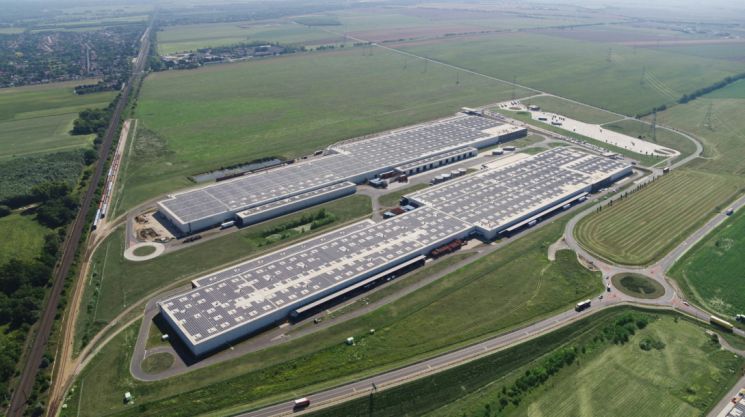 Audi factory in Gy?r, Hungary. On the 12th (local time), Audi announced that it has installed the largest solar roof facility in Europe at this factory and achieved carbon neutrality. (Photo by Audi)
[Asia Economy Reporter Moon Chaeseok] The Korea Institute for Industrial Economics and Trade (KIET), a government-funded research institute, stated that major countries are establishing '2050 Long-term Low-Carbon Development Strategies' and suggested that South Korea should also devise a 'Korean-style' long-term vision and strategy.
On the 25th, KIET announced this through a report titled 'Utilizing Long-term Low-Carbon Development Strategies (LEDS) as an Opportunity for Industrial Transformation.'
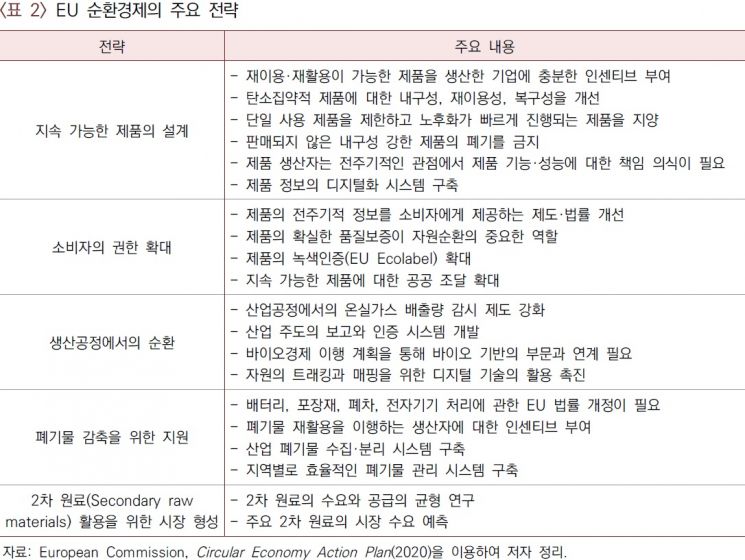
According to the report, major countries focus the core of their low-carbon strategies on improving energy efficiency, energy transition, and a circular economy, proposing bold investments in innovative processes and products along with industrialization strategies.
KIET emphasized, "South Korea also needs to focus on securing innovative technologies such as low-carbon fuels and processes, and reduction facilities, and prepare a concrete roadmap for the stable supply and appropriate pricing of green hydrogen and green energy."
"Improving Energy Efficiency, Energy Transition, and Circular Economy Transformation Are Key"
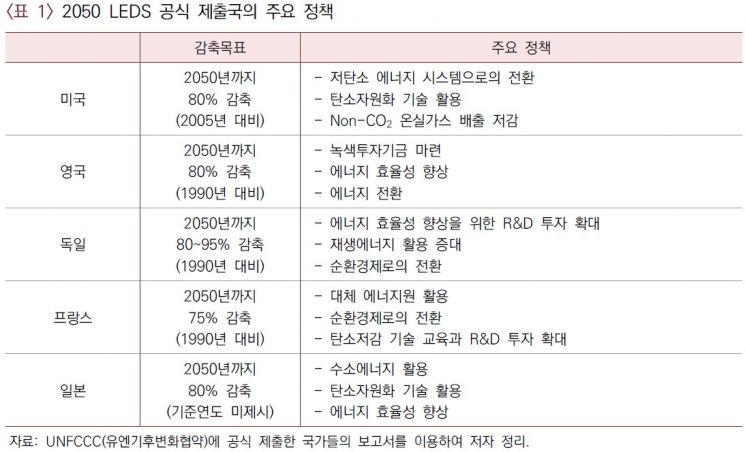
KIET reported that major countries are presenting strategies that utilize low-carbonization as a new national growth engine after the COVID-19 pandemic.
KIET proposed strategies including ▲reducing energy consumption by improving energy efficiency to cut production costs and greenhouse gas emissions ▲substituting consumption from fossil fuels to electricity, new and renewable energy ▲establishing a resource circular economy system ▲efforts to reduce greenhouse gas emissions through resource efficiency ▲developing and commercializing carbon reduction and resource recovery technologies in the manufacturing sector for widespread use.
South Korea plans to prepare and submit a government proposal on a long-term vision and development strategy for transitioning to a low-carbon society to the United Nations (UN) by the end of this year.
"Need for a 'Korean-style' Long-term Vision and Strategy Reflecting Industrial Characteristics"
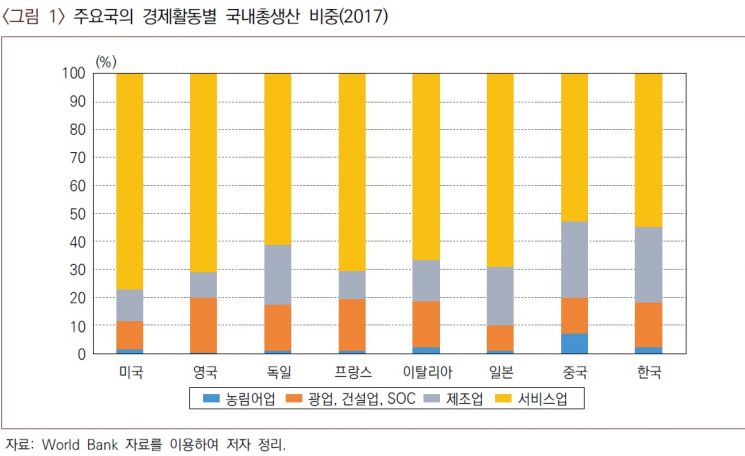
KIET emphasized that South Korea’s reality, being the second-largest manufacturing sector relative to GDP in the world, should not be overlooked.
South Korea’s manufacturing sector accounts for 26.9%, ranking second after China (28.1%). In contrast, the service sector accounts for 54.8%, which is smaller than the approximately 70% seen in major countries such as the United States, the United Kingdom, and France.
It is necessary to prepare low-carbon strategies that can be considered for key industries such as steel, petrochemicals, semiconductors, and electrical and electronics sectors.
According to KIET, while the energy efficiency of South Korea’s key industries is among the highest in the world, concerns remain about cost increases or carbon leakage.
Lee Sang-won, a senior researcher at KIET, said, "The United States, China, and Japan, which have manufacturing competitiveness, are showing a lukewarm attitude toward industrial sector decarbonization and climate change response," adding, "This is evidence of the limitations in reducing greenhouse gas emissions in the industrial sector."
He added, "We must establish a solid position as a top-five global manufacturing powerhouse through 'breakthrough' technological innovation that lowers production costs and secures economic feasibility."
"National-level Incentives Should Be Provided to Companies Reducing Greenhouse Gas Emissions"
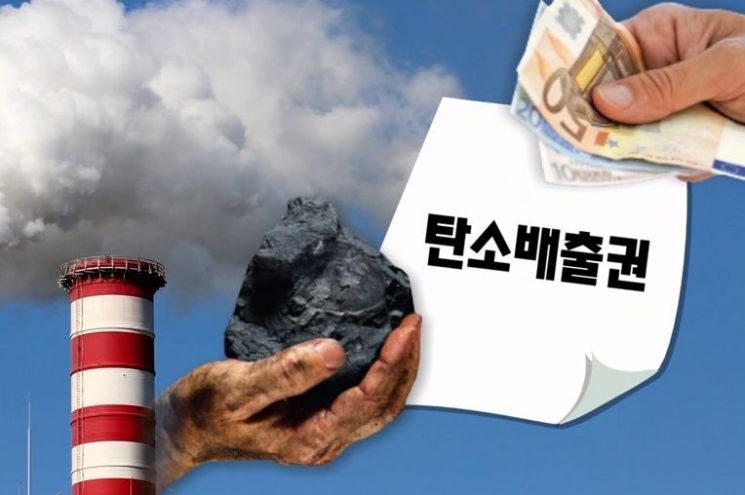
KIET advised that since there is a consensus on reducing greenhouse gases, national-level incentives should be given to companies that contribute to carbon reduction.
The logic is that to use the transition to a low-carbon society as a strategy for economic recovery, it is essential to create proactive conditions for carbon reduction.
It is urgent to establish policies that ensure the stability of green energy supply and guarantee reasonable prices.
For example, government investment in technological innovation is needed to replace raw materials such as coke processes in the steel industry, which emits a lot of carbon, and naphtha use in petrochemicals.
Active government investment support is also necessary for cost analysis, commercialization of carbon capture, utilization, and storage (CCUS) technologies, and securing usable land.
Additionally, measures should be sought to minimize environmental burdens by considering reuse and recycling throughout the entire process of product design, production, consumption, and disposal.
Senior researcher Lee said, "The government should faithfully implement the ongoing 8th Basic Plan for Electricity Supply and Demand, the 3rd Basic Energy Plan, and the Hydrogen Economy Activation Roadmap, and strive to ensure consistency with the long-term low-carbon development strategy."
© The Asia Business Daily(www.asiae.co.kr). All rights reserved.



















