Urgent Loan Applicant Personal Information
Stolen by Hacking from Loan Brokerage Firm
Illegal Online Distribution Detected Last Year
More Than Double Increase Compared to Two Years Ago
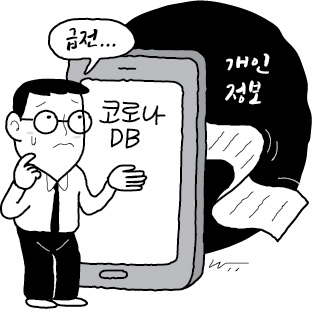
[Asia Economy Reporter Lee Jung-yoon] "Selling Corona DB. Please contact me via Telegram."
Personal information is being illegally traded online under the name 'DB (database).' This includes personal details of those who inquired about or actually received emergency loans related to COVID-19.
On the 20th, when the reporter expressed interest in purchasing the Corona DB through Telegram, the seller kindly explained, "This data was stolen through hacking from companies that mediate loans between financial institutions and customers." He also added, "Since this is a list of people who provided their personal information to receive loans during the COVID-19 situation, it would be useful if used to promote small loans."
The seller even showed a sample of the Corona DB. The sample contained names, resident registration numbers, and mobile phone numbers. When the reporter contacted five individuals listed in the sample, most of those whose personal information was leaked said, "I was completely unaware that my personal information was being leaked." Some mentioned, "I recently received many calls related to loans and found it suspicious." The personal information in the sample exactly matched that of the victims.
Illegal distribution of personal information has recently increased sharply. According to data received by Rep. Jo Myung-hee of the People Power Party, a member of the National Assembly's Science, Technology, Information and Broadcasting Committee, from the Korea Internet & Security Agency (KISA), the number of detected online illegal personal information distribution posts reached a total of 523,146 from 2016 to August this year. Last year, the number of detections was 121,714, more than double that of 2016. In particular, detections from January to August this year totaled 105,523, suggesting an increase compared to last year.
Professor Lim Jong-in of Korea University's Graduate School of Information Security explained, "Smaller companies tend to pay less attention to personal information protection, making them more vulnerable to hacking," adding, "It takes about 205 days on average for companies to realize they have been hacked, and customers often remain unaware." He emphasized, "There should be ongoing interest in personal information protection, and the government must strengthen monitoring efforts to prevent information leaks in advance."
© The Asia Business Daily(www.asiae.co.kr). All rights reserved.

















