Main Causes of Obesity, Use of Preservatives, and Misunderstandings About Indigestion

[Asia Economy Reporter Lee Seon-ae] The main culprits often associated with ramen are obesity, preservatives, and indigestion. Most consumers perceive that eating ramen easily leads to weight gain, that preservatives are used due to its long shelf life, and that it is hard to digest. Ramen companies advise that to elevate ramen as a K-food (Korean food wave) to the next level, these misunderstandings must be cleared.
Unfairly Blamed for Obesity... No Preservatives
According to Nongshim on the 8th, the calorie content of ramen is usually around 500 kcal, which is not particularly high for an adult meal. Dry noodle products like Shin Ramyun Geonmyeon and Vegetable Ramen have even lower calories, around 350 kcal, making them popular as diet foods.
A representative from Nongshim’s Nutrition Research Team explained, “Considering that the daily recommended calorie intake for adults is about 2100 to 2600 kcal, consuming ramen does not increase the risk of overweight or obesity. In fact, ramen’s calorie content is similar to or even lower than that of a typical meal.”
The shelf life of ramen is six months. Many people mistakenly believe that the long shelf life is due to preservatives. However, ramen contains no preservatives and there is no need to use any. Preservatives are chemicals that prevent food spoilage by inhibiting the growth of microorganisms such as mold. Microorganisms require a moisture content of over 12% to grow, but dried foods like ramen have moisture content limited to about 4-6%, preventing microbial growth. This is the same principle as not adding preservatives to rice or flour.
Nongshim’s ramen research lab stated, “During the production of ramen, most moisture is evaporated through frying and drying processes. Microorganisms cannot grow in a moisture-free environment, so there is no need to use preservatives in ramen.” Samyang Foods also emphasized, “No preservatives are added to ramen. The noodles are sufficiently sterilized through steaming and frying, and the moisture content is maintained below 10%, so there is no need for preservatives to prevent spoilage.”
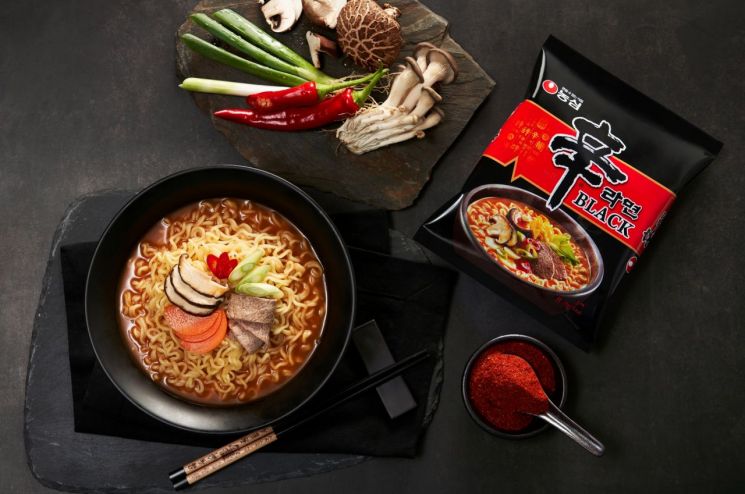
Is Ramen Hard to Digest?
The main ingredient of ramen, wheat flour, forms gluten during the mixing with water. Westerners, who have traditionally consumed bread as a staple food, have adapted well and generally digest gluten-containing foods easily. However, some East Asians have lower digestive ability to break down gluten. People who experience indigestion after eating ramen likely have difficulty digesting other gluten-containing foods such as bread or sujebi (hand-pulled dough soup). In other words, it is not that ramen is inherently hard to digest, but that digestion varies depending on individual constitution, according to ramen companies.
For a healthy diet, a balanced intake of three essential nutrients?carbohydrates, proteins, and fats?is important. The ideal ratio (by calorie %) is 55-65:7-20:15-30. Ramen’s ratio of carbohydrates, proteins, and fats is approximately 62:8:30, which is close to the ideal balance. Dry noodles have a lower fat ratio than this. Japan’s largest ramen company, Nissin Foods, even released research showing that when Nongshim’s Shin Ramyun is eaten with kimchi, the nutritional ratio is similar to that of bibimbap. However, the calorie content of one ramen serving is around 500 kcal, which is lower than the recommended calorie intake for one meal. Adults should consume about 600-800 kcal per meal, given a daily recommended intake of 2000-2600 kcal. The calorie deficit can be supplemented by adding other ingredients when cooking ramen. For example, to increase protein, add one egg or one slice of cheese, two fish cakes, or a quarter can of tuna per ramen serving. To supplement calcium, add one tablespoon of dried shrimp, two pieces of broccoli, or two slices of tofu. Nongshim’s ramen research lab said, “The ramen manufacturing process is a combination of chemistry and food engineering. We hope that consumers’ misunderstandings about ramen will be resolved as we continue to improve its taste and quality.”
© The Asia Business Daily(www.asiae.co.kr). All rights reserved.