Professor Han Miseon, Department of Pediatrics at Boramae Hospital, "Limitations in Determining Infection Status Based on Symptoms Alone"
[Asia Economy Reporter Seo So-jeong] In children and adolescents infected with the novel coronavirus disease (COVID-19), symptoms tend to be mild, but the virus detection period in the body lasts relatively long at 17.6 days, raising concerns that they could become "silent spreaders."
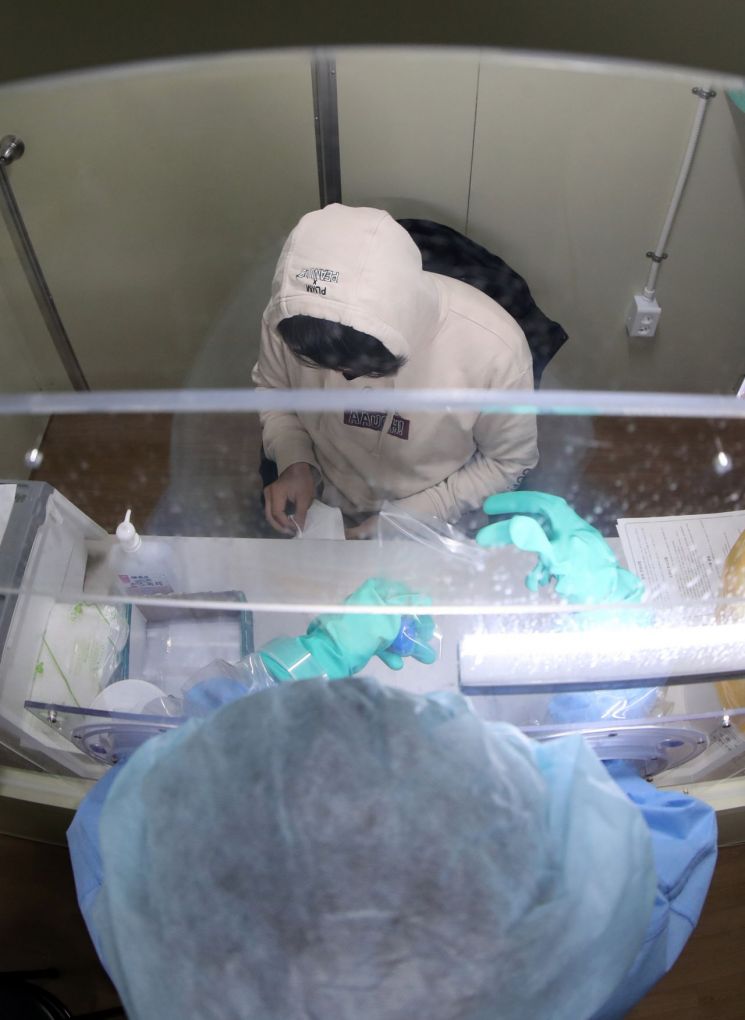
Seoul Metropolitan Boramae Medical Center, operated by Seoul National University Hospital, announced on the 17th that Professor Han Mi-seon of the Department of Pediatrics published research results indicating limitations in determining COVID-19 infection in children and adolescents based solely on symptoms.
Professor Han's research team analyzed clinical characteristics of COVID-19 patients under 19 years old, distinct from adults, based on data from 91 patients confirmed with COVID-19 in South Korea between February 18 and March 31. Among their infection routes, family transmission accounted for the highest at 63%, followed by overseas-related infections at 17%, and group gatherings at 12%.
The study found that among the 91 patients included, 20 (22%) showed no symptoms throughout the entire monitoring period. Of the remaining 71 patients, 65 (91%) developed symptoms only after being diagnosed with COVID-19, except for 9 patients.
Symptoms appeared in various forms: mild fever and high fever above 38°C were observed in 30% and 39% respectively, and respiratory symptoms such as cough, sputum, and runny nose were present in 60%. Loss of smell or taste was reported in 16% of cases.
Notably, one patient exhibited only gastrointestinal symptoms such as abdominal pain and diarrhea without fever or respiratory symptoms, and another patient showed no symptoms except for loss of taste. The research team concluded that there are limitations in identifying COVID-19 infection in children and adolescents based solely on symptoms.
Meanwhile, the virus was detected for a relatively long average period of 17.6 days after diagnosis. Most of these patients (85%) did not show severity requiring treatment, suggesting that children and adolescents may continue their activities without realizing they are infected.
Professor Han explained, "Among domestic children and adolescents under 19 years old, many are asymptomatic when infected with COVID-19, and symptoms appear late. The types of symptoms are also very diverse." She added, "Although symptoms are mild, the virus detection period in the body is relatively long, so they may become 'silent spreaders' who unknowingly continue their activities. To prevent community transmission caused by this, thorough epidemiological investigations need to be continuously conducted."
This research was published in the August issue of the Journal of the American Medical Association Pediatrics (JAMA Pediatrics).
© The Asia Business Daily(www.asiae.co.kr). All rights reserved.

















