Temporary Holiday on the 17th... 55.6% of Part-time Workers, 41.8% of Office Workers to Work
Temporary Holiday Hard to Guarantee for Businesses with Fewer than 300 Employees
"System Only Ensures Rest Rights for Large Corporations and Public Officials"
Korea Federation of SMEs: "Need to Spread Participation Atmosphere for Temporary Holiday Among SME Workers"
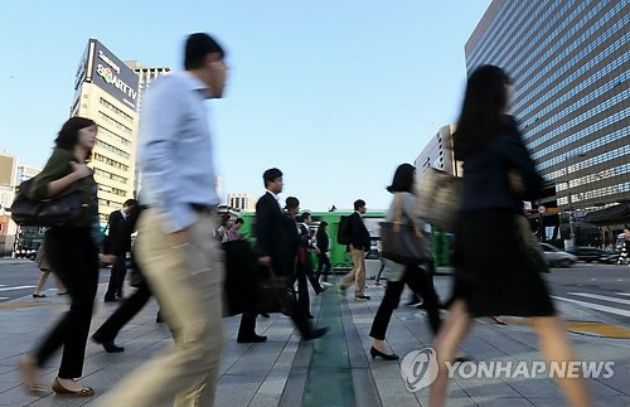
[Asia Economy Reporters Seunggon Han, Intern Yeonju Kim] "They say it's a holiday, but the company says no, so can I really take a break?", "Even if I work, I can't even dream of holiday pay."
Although the 17th has been designated as a temporary holiday, a survey found that half of the workers in small and medium-sized enterprises (SMEs) and part-time workers do not get to rest and have to go to work. Not only do they not get to rest, but even if they work, they are not properly guaranteed substitute holidays or allowances.
According to a survey conducted by the employment success platform JobKorea and AlbaMon targeting 807 part-time workers and 689 office workers in SMEs, 55.6% of part-time workers and 41.8% of office workers will go to work on that day. Furthermore, only 14.1% of workplaces employing part-time workers allow them to take the temporary holiday as paid leave.
Earlier, on the 21st of last month, the government announced that the 17th would be designated as a temporary holiday to guarantee rest rights for medical staff and the public exhausted by the prolonged COVID-19 pandemic and to stimulate domestic consumption during the vacation season. It also took into account that this year, the actual number of holidays (115 days) decreased compared to last year (117 days) because Liberation Day and Memorial Day fell on weekends.
However, workers in SMEs or part-time jobs appear not to have their right to rest properly guaranteed. Workers said the biggest reason for going to work even on the temporary holiday was "company policy."
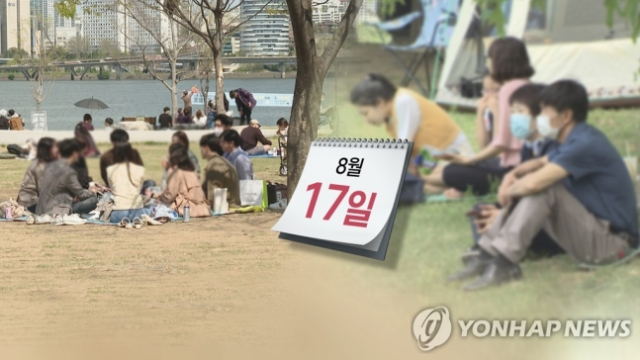
In the case of large corporations, holidays are guaranteed under the Labor Standards Act, but in other cases, whether to take a day off is decided according to internal company rules. Under the current Labor Standards Act, the application of temporary holidays applies to workers in companies with 300 or more employees. For companies with fewer than 300 employees or self-employed individuals, paid holidays are not mandatory but only recommended.
The reasons cited by employers for not designating a day off include △ significant damage to production volume and sales if operations are suspended △ inability to take a day off due to the need to meet delivery deadlines.
As rest on substitute holidays varies, voices expressing a sense of deprivation are rising among workers. This is because benefits are applied unfairly depending on the size of the company.
An office worker in an SME, Ms. An (28, female), said, "Even if a substitute holiday is designated, it feels far from me. Honestly, isn't this a system for large corporations and public officials? How can some people rest and others not?" She expressed dissatisfaction, saying, "Unless private companies are forced to close on temporary holidays, I think this kind of thing will continue to happen."
She added, "Every single holiday is precious to office workers. I hope equal rest is guaranteed for everyone," and "I don't know who these substitute holidays are really for."
Park (25, male), a caf? part-time worker, said, "I've never had a day off on a holiday while working part-time," adding, "In part-time jobs like caf?s or restaurants, there are more customers on days off, so they sometimes require extended work."
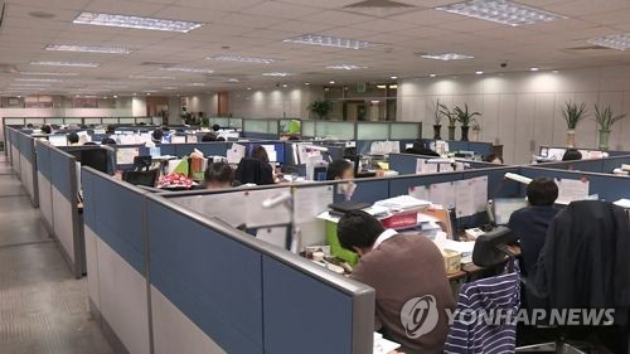
Moreover, most workers who went to work on substitute holidays did not receive separate leave or holiday pay. In the survey, 77.1% of part-time workers and 70.5% of office workers answered that "no separate leave is provided."
Office worker Kim (27, female) explained, "Since substitute holidays are not mandatory, we don't get extra pay. I think of it as just a regular weekday."
Another office worker, Han (27, female), lamented, "I hoped I could rest after the substitute holiday was designated, but it was in vain," adding, "The company did not mention taking a day off, so I assumed I had to go to work." She expressed dissatisfaction, saying, "It's unavoidable to go to work because of a heavy workload, but shouldn't substitute leave or pay be legally taken care of?"
Given this situation, the Korea Federation of SMEs (Kbiz) emphasized that work flexibility should be increased, such as extending delivery deadlines considering the temporary holiday, so that workers can participate in rest.
Choo Moon-gap, head of the Economic Policy Department at Kbiz, said in a press release on the 6th, "There is great social expectation for the designation of temporary holidays to guarantee rest time for the public and to stimulate domestic consumption," but pointed out, "However, many SMEs cannot take a day off or have not yet decided whether to take a day off due to concerns about decreased sales or meeting delivery deadlines."
He added, "It is necessary to spread an atmosphere where many SME workers can actively participate in temporary holidays through measures such as extending delivery deadlines by large corporations considering the temporary holiday."
© The Asia Business Daily(www.asiae.co.kr). All rights reserved.
![Clutching a Stolen Dior Bag, Saying "I Hate Being Poor but Real"... The Grotesque Con of a "Human Knockoff" [Slate]](https://cwcontent.asiae.co.kr/asiaresize/183/2026021902243444107_1771435474.jpg)


















