[Asia Economy Reporter Kim Hyewon] Students at Korea Polytechnic University Anseong Campus, a national semiconductor specialized university, practice semiconductor manufacturing processes on campus. This is thanks to Samsung Electronics donating semiconductor process equipment (Asher) and measurement devices (AFM). Samsung Electronics has utilized semiconductor manufacturing process equipment and advanced analysis instruments to produce and provide over 100 research test semiconductors free of charge to domestic universities. Despite management uncertainties caused by the novel coronavirus disease (COVID-19) this year, the company has decided to invest more than 100 billion KRW in industry-academia cooperation funds.
Samsung Electronics revealed these achievements on the 13th, marking the 2nd anniversary of the launch of the 'Industry-Academia Cooperation Center,' established to support future semiconductor technologies and talent development. Samsung Electronics set up the Industry-Academia Cooperation Center in July 2018 to exclusively manage industry-academia collaboration, based on the judgment that university research capabilities form the foundational soil for qualitative growth of the semiconductor industry ecosystem. Through this, it has annually selected and supported about 350 current and former professors, 400 doctoral scholarship students and trainees, and doubled the scale of support for semiconductor and display industry-academia projects from 40 billion KRW per year. This industry-academia investment is expected to revitalize domestic university research and development (R&D) sites, which have been shrinking due to delays in research activities, project suspensions, and budget cuts amid the COVID-19 crisis.
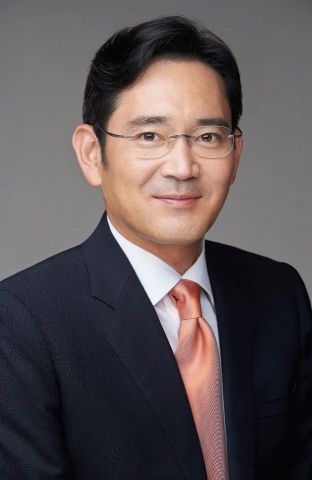
Samsung Electronics’ expansion of industry-academia cooperation aligns with Vice Chairman Lee Jae-yong’s (face) management philosophy emphasizing talent and technology investment even in times of crisis, and his 'Together' vision, which stresses the importance of growing together with society.
It is reported that Vice Chairman Lee recently instructed the preparation of support programs to strengthen the domestic semiconductor ecosystem and to actively cooperate with the industry, universities, and local communities.
In fact, when Lee resumed management in 2018, Samsung announced a large-scale investment plan worth 180 trillion KRW and expressed its intention to expand industry-academia cooperation in the semiconductor and display sectors to support the domestic innovation ecosystem. At the 'System Semiconductor Vision Declaration Ceremony' in April last year, Lee stated, "Sharing and growing together is, in my personal belief, the power that prevents us from stopping the challenge to become the world’s best." At the new display investment agreement ceremony in October last year, he emphasized, "Although the global economy is slowing and there are many uncertainties causing difficult times, we will do our best in next-generation technology innovation and talent development without wavering." At the DS Division presidents’ meeting in January this year, he reiterated, "Sharing with our neighbors and society and growing together is our mission and the path to becoming a 100-year company."
Samsung Electronics provides its advanced semiconductor equipment free of charge for research activities at domestic universities to help them overcome the lack of semiconductor research infrastructure and produce research outcomes applicable to actual industries. Last year, Samsung received about 100 requests for research test semiconductor production from more than 10 universities and supported all of them free of charge.
Additionally, Samsung Electronics encourages patent registration for ongoing collaborative projects to ensure that industry-academia cooperation leads to tangible results. It is also expanding cooperation beyond engineering colleges to basic science fields. In particular, it allocates more than 10% of the total industry-academia cooperation budget to research projects in basic sciences such as physics, chemistry, and mathematics, which can be utilized for new material development and process data analysis.
Lee Hangwan, Executive Director and Head of Samsung Electronics DS Division Industry-Academia Cooperation Center, said, "We will expand industry-academia cooperation programs with domestic universities to enable them to nurture excellent practical R&D personnel," adding, "We expect this to contribute to building a healthy ecosystem where talented individuals can enter companies and demonstrate their capabilities."
© The Asia Business Daily(www.asiae.co.kr). All rights reserved.

















