[Asia Economy (Suwon) = Reporter Lee Young-gyu] Gyeonggi Province will establish a water quality-related 'Nonpoint Source Pollution Management Plan' by January next year, which includes the selection of priority management areas by region, detailed implementation plans, and institutional improvement measures.
Nonpoint source pollution refers to places where pollutants are discharged over a wide area from many unspecified locations such as cities, roads, farmland, and construction sites, causing water pollution, unlike point sources where pollution sources are identified, such as industrial complex wastewater and domestic sewage facilities.
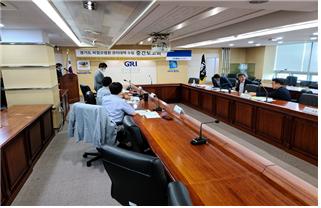
The province has been promoting the 'Gyeonggi Province Nonpoint Source Pollution Management Plan Establishment Research Project' since July last year.
The management plan direction is broadly divided into four categories: ▲ creating an eco-friendly drainage environment such as permeable pavement and infiltration ditches that enable effective management of nonpoint source pollution ▲ specifying operation and maintenance plans for nonpoint source pollution reduction facilities ▲ expanding management areas and nonpoint source pollution reduction facilities additionally to include Anseong City besides Suwon and Yongin City nonpoint source pollution management areas ▲ establishing a nonpoint source pollution management system involving local residents through education and publicity.
Permeability is a measure of how easily water can pass through the soil. Expanding permeable pavement allows rainwater and dust to seep well into the ground, reducing the direct discharge of environmental pollutants into nature.
The province plans to expand natural reduction facilities that facilitate water circulation on roads and reduce pollution, moving away from the existing device-centered reduction facilities.
Device-type facilities are mainly used to manage nonpoint source pollutants that do not seep into the ground and are difficult to maintain, whereas natural facilities install rainwater storage underground and can reuse it for road surface sprinkling, making them suitable for pollution source management through water circulation.
Along with the ongoing research project, the province will complete the comprehensive plan by taking follow-up measures such as ordinances for nonpoint source pollution management, operation of consultative bodies, and establishment of basic plans for priority management areas within cities and counties.
Kim Kyung-don, Director of the Water Quality Total Volume Division at the Provincial Water Resources Headquarters, emphasized, "Nonpoint source pollutants flowing into rivers with rainwater cause various water pollution issues such as summer algal blooms and mass fish deaths. We will strive to ensure that systematic measures for managing nonpoint source pollution lead to the establishment of a sound water circulation system and the restoration of aquatic ecosystems in the province."
© The Asia Business Daily(www.asiae.co.kr). All rights reserved.

















