Sejong Bugang Catholic Church, Na Seok-ju's Letters and Envelopes Also Registered as National Cultural Heritage
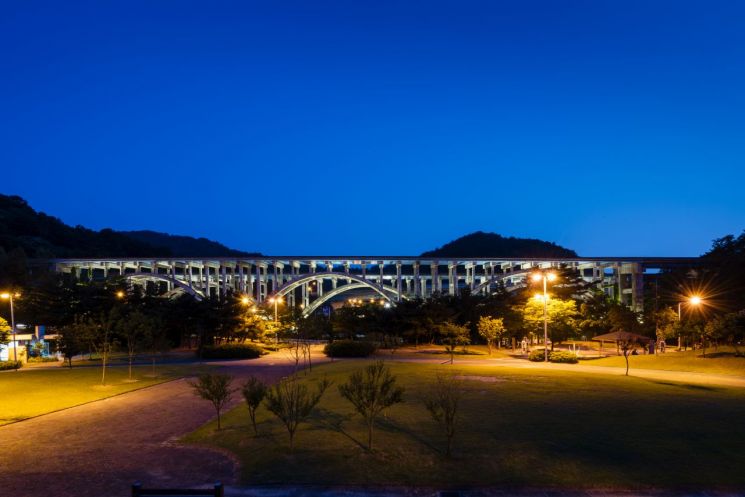
The Daejeon Overpass on the Gyeongbu Expressway (both directions) has been designated as a Registered Cultural Heritage of Korea.
On the 24th, the Cultural Heritage Administration announced the designation of five sites as Registered Cultural Heritage: ‘Daejeon Overpass (No. 783)’, ‘Sejong Bugang Catholic Church (No. 784)’, ‘Former Kyungsung Imperial University Attached Herbal Medicine Research Institute Jeju Test Site (No. 785)’, ‘Former Mokpo Customs Main Building Site and Warehouse (No. 786)’, and ‘Letters and Envelopes of Independence Activist Na Seok-ju (No. 788)’.
The ‘Daejeon Overpass’ is a facility on the Gyeongbu Expressway constructed in 1969. At the time, it was the tallest arch bridge in the country. An official stated, “It is a structure symbolizing modern industrialization” and “it well demonstrates the capabilities of civil engineering technology during the modern era.”
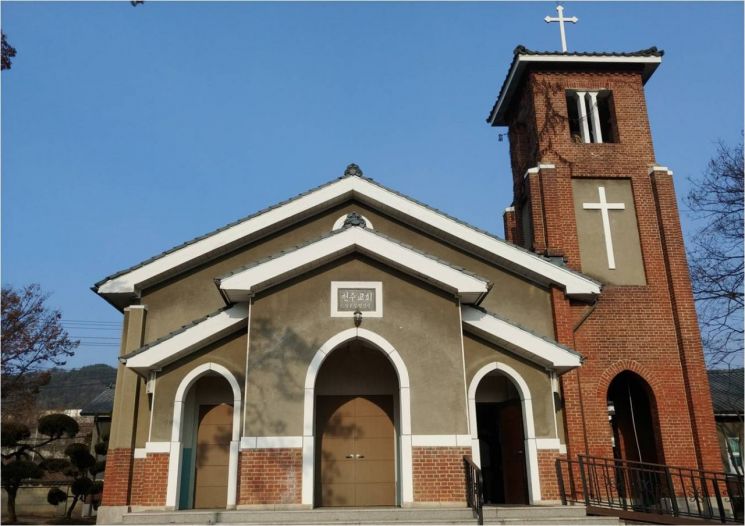
The ‘Sejong Bugang Catholic Church’ located in Bugang-myeon, Sejong City, collectively refers to the current church building constructed in 1962 and the earlier hanok building used as the main church. It is highly valued for its rarity from an architectural history perspective. From a religious history standpoint, it is recognized for its preservation value as it reflects the Catholic missionary situation in the local community at that time.
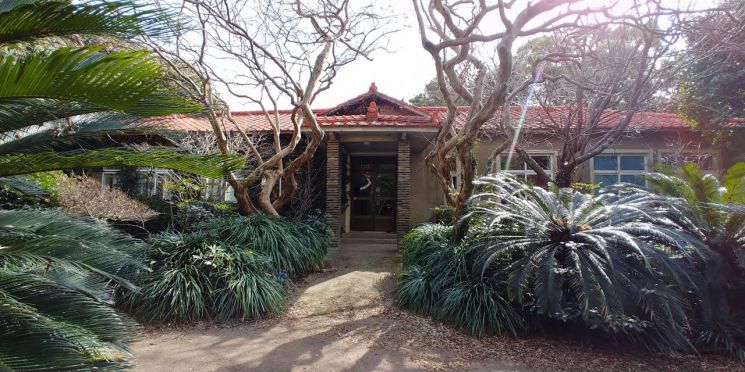
The ‘Former Kyungsung Imperial University Attached Herbal Medicine Research Institute Jeju Test Site’ was a facility established to cultivate and produce medicinal herbs. A notable feature is the detailed form of the finishing materials expressed on the porch (the part protruding outside the building’s entrance or doorway covered by a roof), which enhances the building’s frontal symmetry (emphasizing a certain elevation’s bilateral symmetry or independent frontal effect). This site is also famous as the workplace of Dr. Seok Ju-myeong (1908?1950), known as the pioneer of Jeju studies, nicknamed ‘Dr. Butterfly.’ An official stated, “Preserved materials such as the ‘Layout Map of Kyungsung Imperial University Attached Herbal Medicine Research Institute’ allow us to understand the architectural context of that time.”
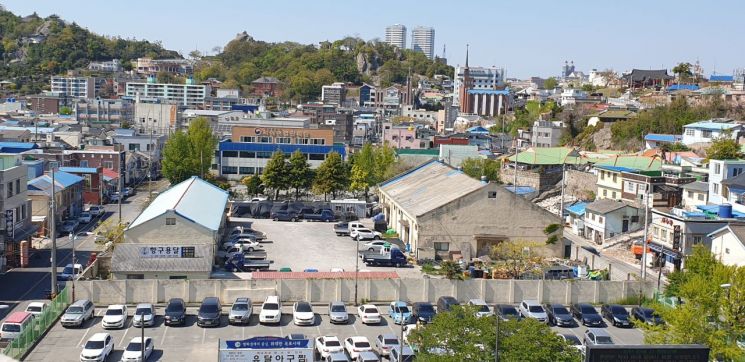
The ‘Former Mokpo Customs Main Building Site and Warehouse’ collectively refers to the remains of the customs office building and related facilities established in Mokpo during the Korean Empire period following the opening of the port. Along with harbor construction facilities, it offers a glimpse into the architectural history of a modern port city.
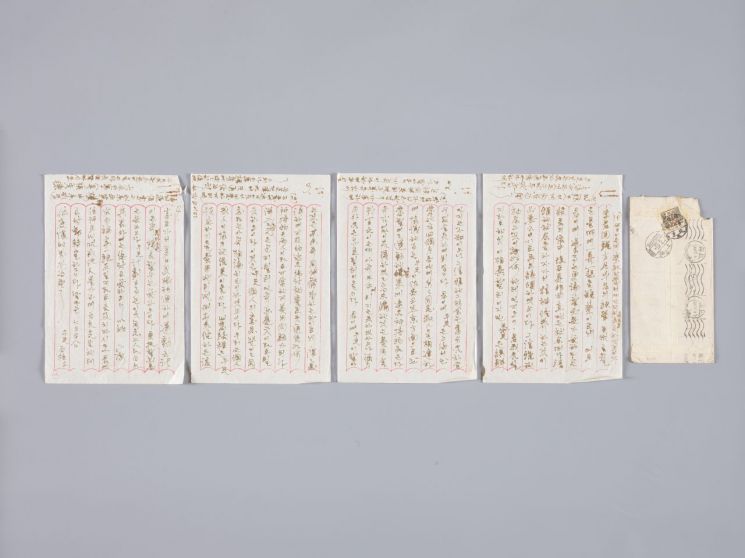
The ‘Letters and Envelopes of Independence Activist Na Seok-ju’ preserved by the National Museum of Korea refer to eight letters and envelopes exchanged between Na Seok-ju and Baekbeom Kim Gu and others regarding plans for an uprising. Na Seok-ju attempted to throw bombs at the Oriental Development Company and the Joseon Shikkan Bank in December 1926. The letters contain content such as informing Kim Gu about the preparation status of the uprising and requesting additional funds. There is also a letter encouraging Lee Seung-chun to join the uprising. An official explained, “These documents concretely reveal Na Seok-ju’s struggle activities and plans to bomb Japanese exploitation institutions,” and “they are important materials that convey the spirit of anti-Japanese independence and bold resistance to future generations.”
© The Asia Business Daily(www.asiae.co.kr). All rights reserved.



















