Silicon Valley Startup PhantomAI with ADAS and Autonomous Driving Technology Launches Korea Branch
Interview with Woo Hun-je, Head of PhantomAI Korea Branch, Ahead of Level 4 Autonomous Driving Demonstration
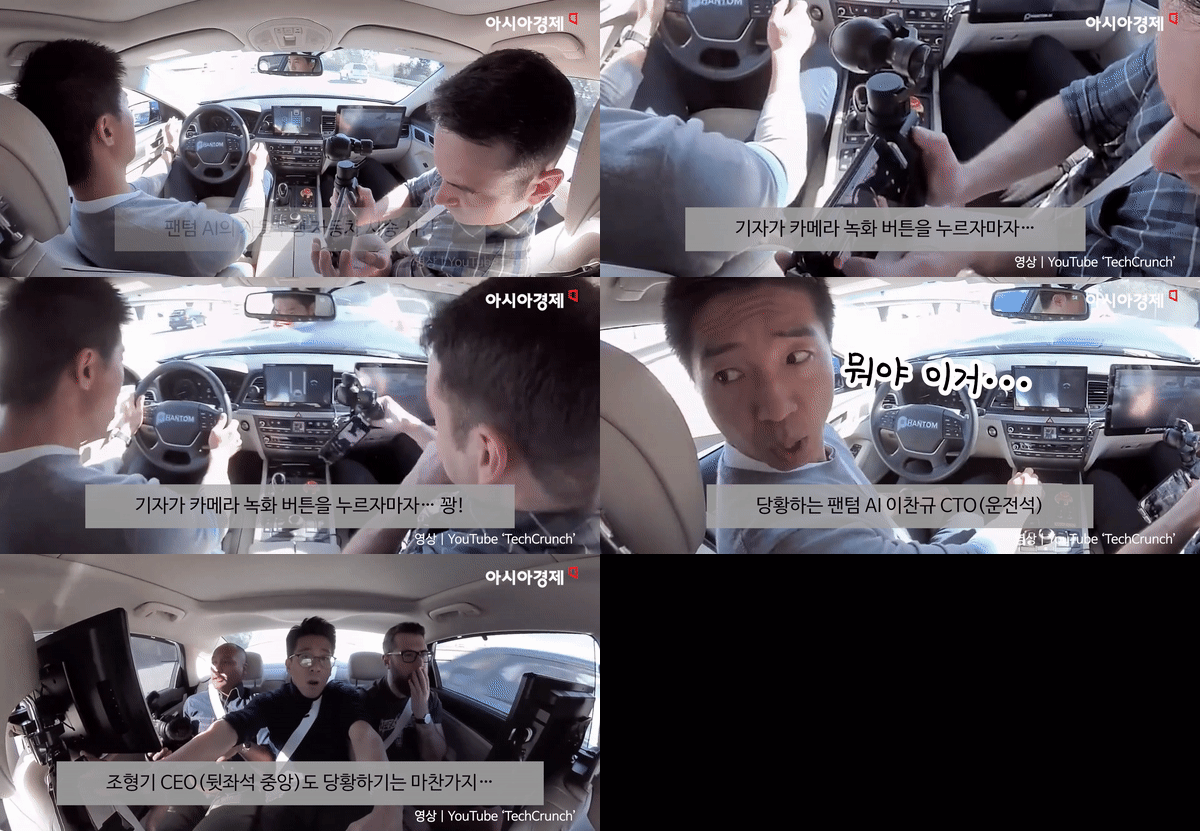 A Phantom AI vehicle conducting a pilot autonomous driving test on a highway on the outskirts of San Francisco, USA, in January 2018, is seen involved in a minor collision while driving. When this video was released, it was interpreted as confidence that openly revealed technical shortcomings, which led to continued investments from angel investors. Video by Tech Crunch
[Asia Economy Reporter Kim Heeyoon] "Bang!" On January 30, 2018, on a highway near San Francisco. PhantomAI's vehicle, which had started driving for an autonomous driving pilot test, carried co-founders Lee Chankyu and Jo Hyungki along with three Tech Review reporters. The moment a reporter pressed the camera record button and the drive began, a collision occurred with the car ahead. Lee Chankyu, Chief Technology Officer (CTO) in the driver's seat, and Jo Hyungki, CEO, seated in the middle of the back seat, repeatedly showed their embarrassment, and the reporters riding along could only smile awkwardly. PhantomAI publicly released the accident footage that day. Angel investors, who had only seen monotonous demos, showed interest in PhantomAI’s accident video, and investments followed. This incident soon became a model case of 'intelligent failure.'
Silicon Valley autonomous driving startup PhantomAI established a branch in Korea last March. Having secured core computer vision technology (reproducing human visual ability through computers) and Level 4 full autonomous driving technology, PhantomAI proved its technological prowess by successfully raising $22 million (about 27 billion KRW) in Series A funding from Ford and multiple VCs in April.
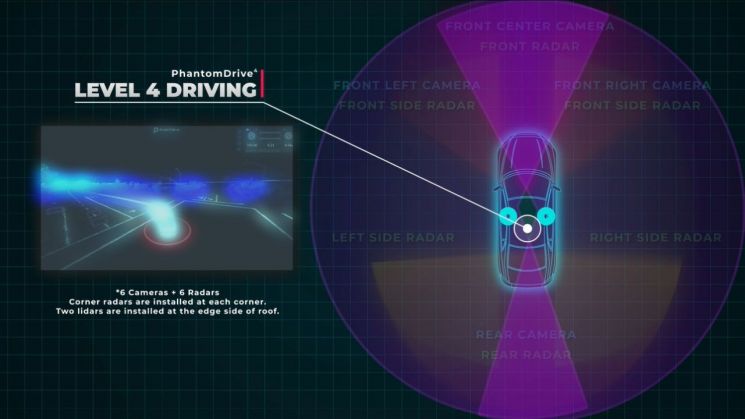 PhantomAI is a company that possesses a Level 4 autonomous driving system capable of self-driving and plans to conduct demonstrations in the Sejong City Regulatory Free Zone. Photo by PhantomAI
PhantomAI is one of the Korean companies authorized to conduct autonomous vehicle test drives in California, USA, alongside Samsung and Mando. The company was co-founded by CEO Jo Hyungki, who participated in developing Tesla’s Autopilot autonomous driving system in 2016, and CTO Lee Chankyu, who developed Hyundai Motor’s Highway Driving Assist (HDA) system. Currently producing Level 2-3 Advanced Driver Assistance Systems (ADAS), PhantomAI cited the demonstration of Level 4 full autonomous driving technology and government support as reasons for its return to Korea. Establishing its Korean corporation in Sejong City, PhantomAI is preparing for a road demonstration in December this year within a regulatory sandbox, leveraging Level 4 full autonomous driving technology, domestic corporate collaboration, and 5G infrastructure.
We met Woo Hoonje, head of PhantomAI’s Korea branch, who joined after the Korean corporation was established, to hear about the reasons for returning to Korea and the status of PhantomAI’s autonomous driving technology development.
- You returned from Silicon Valley to Korea.
▲ PhantomAI aims to sustain its business by mass-producing Level 2-3 ADAS and, in the long term, develop Level 4 full autonomous driving solutions. Although PhantomAI received significant investment in the U.S., co-working on technology solutions was difficult and isolating. However, Korea’s government supports through match-point style assistance and offers opportunities to conduct autonomous driving R&D projects. This was an excellent opportunity for a small company, and the ability to collaborate with domestic autonomous driving companies based on 5G infrastructure was also a major factor.
- What are the strengths of PhantomAI’s autonomous driving technology?
▲ Autonomous driving can be divided into three areas: perception, decision-making, and control. PhantomAI focuses on perception technology, recognizing objects ahead through cameras and radar, and has completed research on classifying these results using deep learning. Additionally, based on core computer vision technology, PhantomAI is building full-stack autonomous driving technology (covering operating systems and software overall). The most important step at this stage is demonstration, which is scheduled in Sejong City this December.
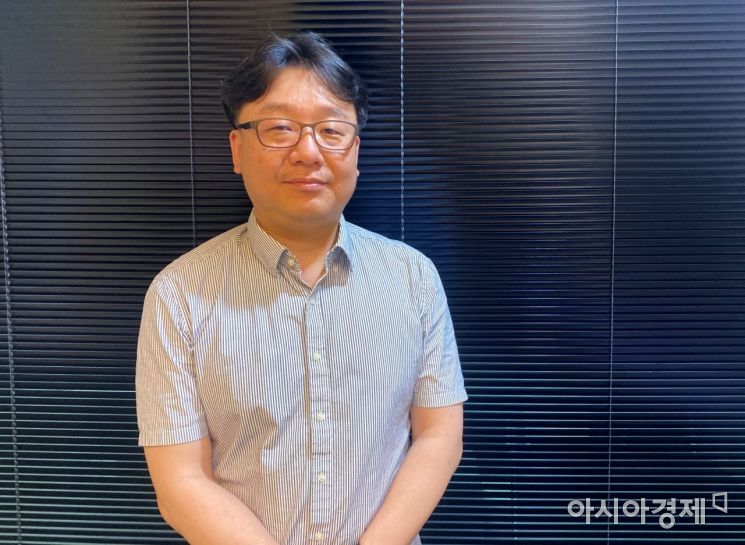 Woo Hoon-je, head of Phantom AI Korea, who is leading the domestic demonstration of Level 4 autonomous driving systems.
- Please explain the ADAS technology PhantomAI possesses.
▲ ADAS is a system where cameras and radar 'LiDAR' mounted on the vehicle’s front windshield detect collision risk factors on the road and support the driver with collision warnings and emergency braking. It subdivides cars, pedestrians, and lanes into three categories, with AI recognizing and judging these to assist convenient driving. This is Level 2-3 autonomous driving technology. Currently, OEM orders are underway with North American automakers.
- What are the differences between autonomous driving environments in Korea and the U.S.?
▲ In the U.S., competition among companies is fierce, backed by overwhelming capital. Co-working is difficult, but there is a natural culture of showcasing each company’s technology and discussing it. Once, at a proving ground, autonomous driving companies conducted full tests, opening trunks and rear doors equipped with technology to show off. Showing actual technology rather than just papers and freely exchanging opinions among small and large companies was a scene rarely seen in Korea. Korea’s government supports the autonomous driving industry through R&D projects and assists demonstrations in a match-point style, which is a major strength. The U.S. government provides no infrastructure support. Sejong City, where we are preparing demonstrations, has advanced traffic infrastructure such as traffic control facilities and BRT (Bus Rapid Transit), providing optimal conditions for testing Level 4 autonomous driving technology. This is a good environment and opportunity for small companies.
- What are your future plans?
▲ The U.S. headquarters’ main plan is to OEM ADAS-related solutions to automakers. The Korean branch focuses more on R&D and advanced development. Through this year’s and next year’s Sejong regulatory sandbox projects, we plan to demonstrate our own solutions on roads and nurture advanced technology using the data collected. Korea has the fastest communication speeds and the most advanced connectivity technology for infrastructure worldwide, which may be advantageous in narrowing the technology gap. We are also exploring global business opportunities in Southeast Asia and some European countries where we can independently operate with our technology in the long term.
© The Asia Business Daily(www.asiae.co.kr). All rights reserved.



















