Oil-producing countries cut daily output by 9.6 million barrels in July
Countries not complying with existing agreements must reduce production by September
Monthly panel meetings to monitor crude oil supply and demand
[Asia Economy Reporter Naju-seok] OPEC+ (the Organization of the Petroleum Exporting Countries (OPEC) member countries and non-OPEC allies) has decided to extend its record-largest production cut for another month. OPEC+ reversed its previous agreement to reduce the scale of cuts after this month and decided to continue the cuts in July. These oil-producing countries also confirmed their commitment to thoroughly implement the production cut agreement.
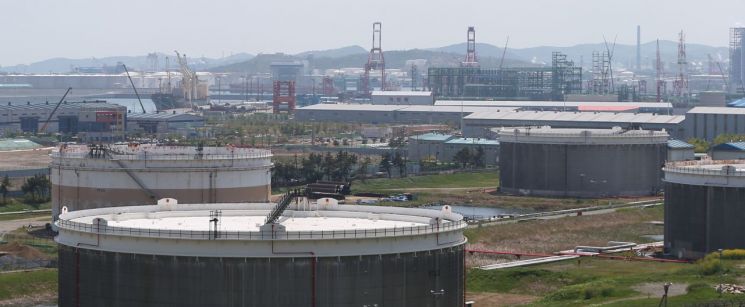
According to Bloomberg on the 6th (local time), they agreed to reduce daily crude oil production by 9.6 million barrels next month as well. Previously, OPEC+ had agreed to cut production by 9.7 million barrels per day in May and June, then reduce the cut scale to 7.7 million barrels per day starting in July. However, judging that the largest-scale production cut agreement should continue a bit longer to stabilize the oil market supply and demand, they decided to generally maintain the existing cut scale. The reduction from 9.7 million barrels to 9.6 million barrels reflects Mexico's position. Mexico decided to reduce its cut scale according to the original schedule, and other OPEC+ members agreed to accept this exception.
Saudi Arabia's Energy Minister Abdulaziz bin Salman said, "Our joint efforts have borne fruit," adding, "Despite many uncertainties, encouraging signs have emerged that we have overcome the worst." He continued, "As lockdowns due to COVID-19 have been lifted in countries with high oil consumption, oil demand is returning." This agreement was reached after several hours of discussion through a video conference held that day.
Russian Energy Minister Alexander Novak said, "The oil market is still vulnerable and needs support," adding, "Therefore, the agreement must be implemented 100% perfectly."
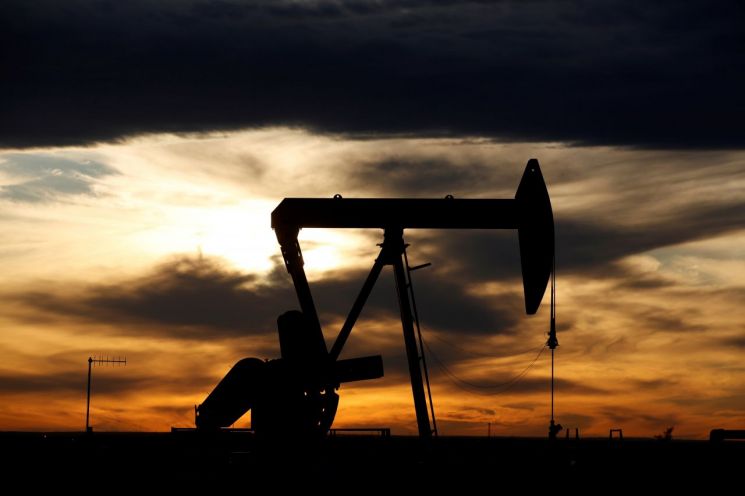
Bloomberg characterized the extension of the production cut agreement as a 'victory' for Saudi Arabia and Russia. Although OPEC+ had previously agreed to the largest production cut in history, oil-producing countries such as Iraq and Nigeria had not properly implemented the cut agreement. However, by reaching this extension agreement, the two countries forced other members to strictly implement the already agreed production cuts. Countries that did not comply with the existing cut agreement must make additional cuts between July and September to compensate for the shortfall. The demand for perfect implementation of the production cut agreement is notable, as it has not been seen in the three and a half years of OPEC+ or the decades-long history of OPEC.
OPEC+ plans to hold monthly meetings to review the oil supply and demand situation amid the global economic recovery from the COVID-19 shock. According to the joint statement, OPEC+ will meet again on the 18th. At this meeting, they will decide on additional cuts after August. Additionally, OPEC+ plans to hold working-level meetings until the end of this year.
However, there is cautious speculation that the issue of enforcing compliance by member countries that have not properly implemented OPEC+ agreements so far will remain a contentious point.
© The Asia Business Daily(www.asiae.co.kr). All rights reserved.


















