[Asia Economy Reporter Suyeon Woo] Japanese imported car brand Nissan has decided to withdraw from the Korean market after 16 years. This is due to the global restructuring that became inevitable as Nissan Motor Japan posted a deficit in its annual performance last year.
According to foreign media on the 28th, Makoto Uchida, Nissan's president, held a press conference that day and announced a strong restructuring, saying, "We will implement a selection and concentration strategy for overseas markets." Nissan Japan recorded a net loss of 671.2 billion yen (approximately 7.7185 trillion KRW) in consolidated results for fiscal year 2019. This is the first time Nissan has recorded a net loss in its annual settlement since the 2008 financial crisis, 11 years ago.
Accordingly, the Korean market, where sales have recently contracted, appears to be the first target of restructuring. Last year, sales of Nissan and Infiniti in the Korean market decreased by 40% and 6%, respectively, to 3,049 units and 2,000 units. This year, Nissan sold 813 units and Infiniti 159 units, barely maintaining a presence.
The boycott movement against Japanese car brands, which has been ongoing domestically for nearly a year due to Japan's export restrictions, directly affected this. Additionally, the situation worsened with the outbreak of the novel coronavirus disease (COVID-19), leading to difficulties in maintaining loss-making operations as the parent company's situation deteriorated.
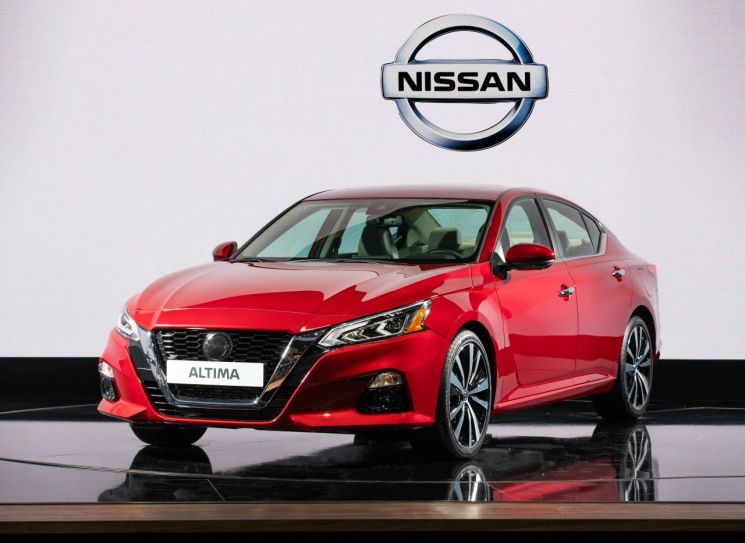
Nissan Motor first entered the Korean market in 2004, launching the premium brand Infiniti first and increasing its market share. From 2008, it introduced the best-selling sports utility vehicle (SUV) Rogue and the large SUV Murano, leading the popularization of imported cars. In 2016, Nissan faced public backlash for illegally manipulating the Exhaust Gas Recirculation (EGR) program installed in the Qashqai to meet the 'Euro 6' certification.
Korean Nissan will cease all sales operations by the end of this year, but after-sales services such as quality assurance and parts management will be maintained until 2028 for owners of existing Nissan and Infiniti vehicles.
A Korean Nissan official said, "Due to changes in the internal and external business environment, the situation in the domestic market has worsened, and the headquarters judged that it is difficult to establish a sustainable growth structure in the Korean market again," adding, "We sincerely thank everyone who has supported Korean Nissan so far."
© The Asia Business Daily(www.asiae.co.kr). All rights reserved.

















