Post-Pandemic Democratic Backsliding Theory
Rise of Authoritarian States Like Hungary Expected
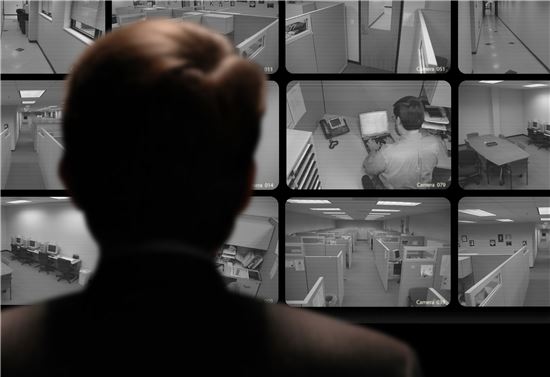 Big Brother (Photo by Getty Images Bank)
[Asia Economy Reporter Seongpil Cho] Force majeure events sometimes bring unexpected variables. The novel coronavirus infection (COVID-19) is a prime example, raising concerns about the emergence of Big Brother-style surveillance systems worldwide. Having experienced that surveillance and control yield efficient results in crisis situations, the world?or rather, those in power?are expected to try to maintain similar trends even after the end of COVID-19. The New York Times (NYT) pointed out, "There are criticisms that some governments are wielding new powers unrelated to the COVID-19 outbreak under the guise of public health emergencies," adding, "It is difficult to find mechanisms to block such powers."
◆Growing Theories of Democratic Backsliding=That Big Brother-style surveillance systems have become the new standard in preventing infectious disease spread is also evident in numbers. The International Center for Non-Profit Law (ICNL), based in Washington DC, is investigating how legal measures taken by governments after the COVID-19 outbreak affect freedom and human rights. According to ICNL, as of the 26th, 86 countries have declared a state of emergency. Thirty-two countries have introduced measures that could affect freedom of expression, 29 countries have implemented surveillance measures impacting personal data protection, and 112 countries have imposed regulations on assemblies and similar gatherings.
This is not happening only in authoritarian states. Measures to closely monitor and control individuals and society under the pretext of suppressing COVID-19 spread are being implemented regardless of traditional democratic countries or existing systems. In fact, the UK Parliament passed a COVID-19 emergency law granting the government authority to sanction citizens. Known as the 'Coronavirus Act,' this law allows the government to close airports or ports and authorizes police to detain and quarantine individuals who pose a risk of spreading COVID-19. Additionally, the government can restrict specific events or gatherings and, if necessary, lock down certain areas.
The Belgian government requested personal location data from mobile phone companies to verify compliance with self-quarantine. Police were deployed on major streets to monitor areas missed by mobile phone companies. The Belgian Parliament also decided to refrain from large gatherings, with many decisions made by party leadership rather than full parliamentary votes. Most European countries, including Italy, France, and Germany, have continued lockdown measures such as restricting citizens' movements.
Concerns continue to be raised about countries using the COVID-19 crisis as an 'opportunity for control.' The NYT diagnosed, "As governments worldwide close borders and restrict freedom of movement, this 'new normal' is expanding the scope of authoritarian rulers." Whether governments will easily relinquish this 'convenient power' after the crisis ends remains uncertain, and democratic countries around the world are watching the situation with tension.
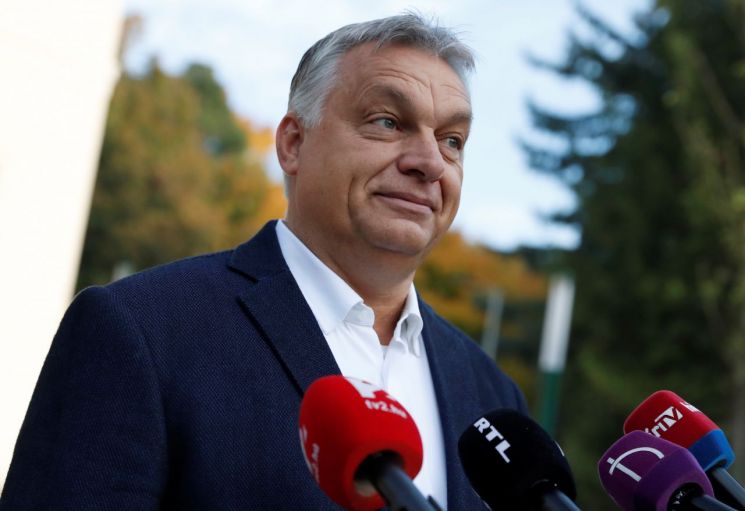
◆Rise of Dictatorial States Amid the Pandemic=For example, Hungarian Prime Minister Viktor Orb?n enacted the so-called 'COVID-19 Prevention Law' in March, which strengthened government powers to extend the state of emergency indefinitely. Despite opposition from the opposition parties, Orb?n's ruling party Fidesz passed the bill. More than 100,000 citizens signed a petition against it before the parliamentary vote, but it was to no avail.
The most dangerous aspect of the emergency law is the absence of a sunset clause, meaning there is no time limit. Orb?n can extend the state of emergency for as long as he deems necessary and can enact new laws by administrative order without parliamentary approval. A criminal law amendment was also made that allows up to five years imprisonment for journalists who criticize the government's COVID-19 policies.
In March, the Israeli government approved a measure allowing intelligence agencies to collect mobile phone data without a court warrant. Originally developed to prevent terrorism, this technology was repurposed by Israel’s conservative hardline leader Prime Minister Benjamin Netanyahu as a measure to track COVID-19 infections. According to the measure, Israeli authorities can trace the movements of COVID-19 patients, notify contacts of potential virus exposure, and enforce quarantine.
The Israeli government extended this tracking measure for three weeks this month, citing increased risk of transmission as the economy reopens and movement restrictions are lifted. Initially, the government sought a six-week extension, but the parliament only approved a three-week extension.
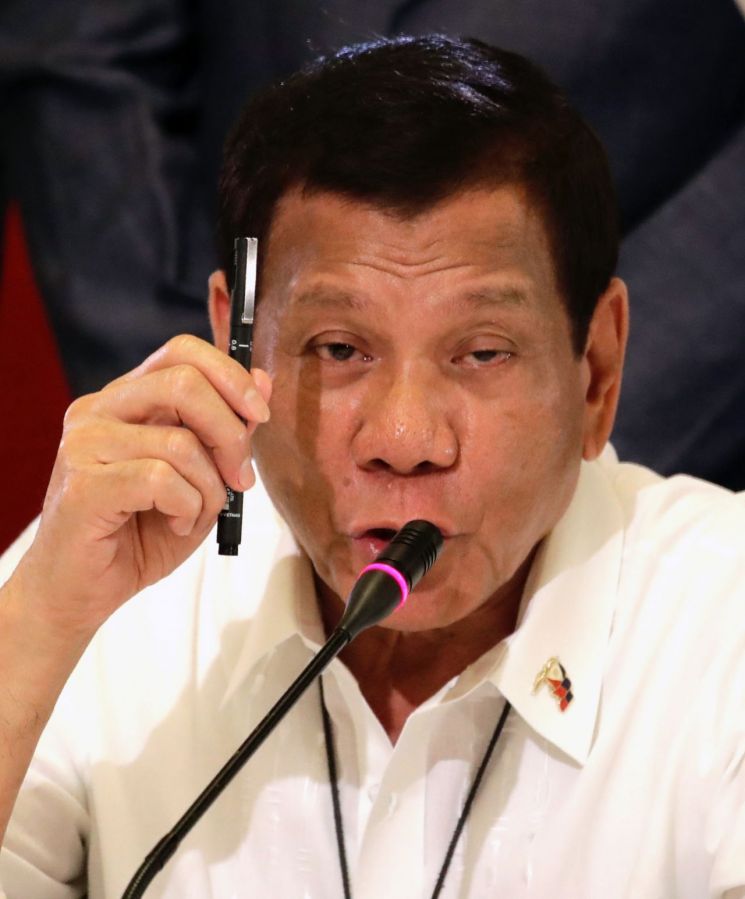
◆Big Brother Grown by COVID-19, The Aftermath Is More Problematic=In the Philippines, both houses of Congress granted President Rodrigo Duterte the authority to reallocate this year’s budget amounting to $5.4 billion for rapid COVID-19 response and aid to marginalized groups. President Duterte also requested emergency powers allowing the executive branch to temporarily take over the operation rights of private enterprises related to public interest. With Congress’s approval, the Philippines effectively assumed a structure similar to martial law under a dictatorship.
Thailand also enacted legislation to respond to COVID-19. Through this law, Prime Minister Prayut Chan-o-cha, who came to power via a coup in May 2014, and the ruling party secured full authority to implement COVID-19 measures. These include restrictions on movement and travel, building closures, and, if necessary, powers to censor or shut down media and control social media.
There are opinions that declaring a state of emergency and simplifying decision-making processes are necessary in a global health crisis. However, it is questionable whether leaders who have acquired such powers will willingly relinquish them after the COVID-19 crisis ends. Egypt’s state of emergency declared when President Anwar Sadat was assassinated in 1981 lasted for 31 years. France maintained a state of emergency for two years after the 2015 terrorist attacks, and the United States still operates the Guantanamo Bay detention camp established after the 9/11 attacks.
Douglas Rutzen, director of ICNL, pointed out, "Governments worldwide are invoking emergency powers, but they will hesitate to give them up later, and over time, these powers will permeate the structure of society," adding, "COVID-19 is bringing not only a public health crisis but also a social crisis."
© The Asia Business Daily(www.asiae.co.kr). All rights reserved.


















