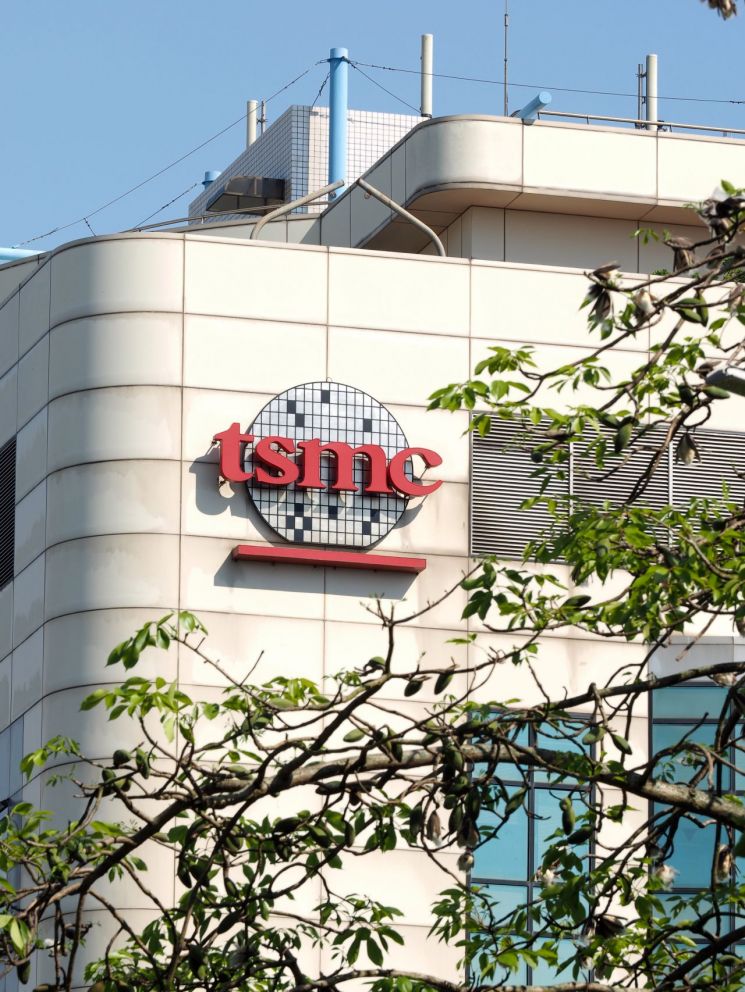
[Asia Economy Reporter Kwon Jae-hee] Taiwan's TSMC, the world's largest semiconductor foundry (semiconductor contract manufacturing) company, has decided to stop accepting new orders from Huawei, the Nihon Keizai Shimbun reported on the 18th. Amid escalating US-China tensions over technological supremacy, global supply chain risks are increasing.
On the same day, citing multiple sources, the Nihon Keizai Shimbun reported that TSMC halted new orders from Huawei on the 15th (US local time) following the US announcement of additional regulatory pressure measures against Huawei. For orders already completed, shipments will proceed normally until mid-September. For other orders, US approval is required.
TSMC's decision to stop new orders from its major client Huawei is seen as a de facto surrender to the US administration's additional sanctions against Huawei. Earlier on the 15th, the US Department of Commerce announced new regulations requiring overseas semiconductor companies using US technology and software to obtain separate approval before supplying products to Chinese telecommunications manufacturer Huawei.
This move goes further than the May last year regulation by the US Department of Commerce, which blacklisted Huawei and required semiconductor companies with production facilities in the US to obtain prior approval before dealing with Huawei.
As a result, Huawei is inevitably facing setbacks in developing 5th generation (5G) smartphones, the next-generation communication standard. Until now, TSMC had been like a "lifeline" for Huawei. Unable to procure products from US companies such as Qualcomm, Huawei had been sourcing key semiconductors by outsourcing production to TSMC.
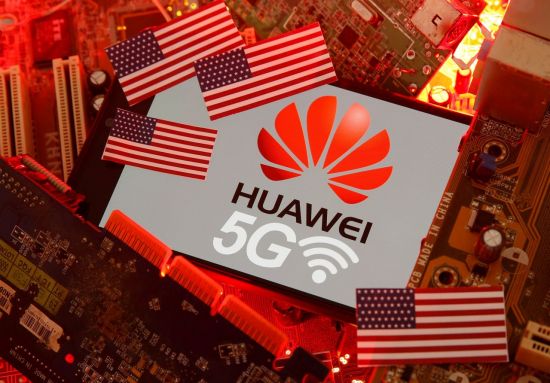
In the competition with the US over 5G technological supremacy, China's lack of advanced semiconductor manufacturing technology has been a weakness. Consequently, the Xi Jinping administration has been accelerating semiconductor technology localization. In this context, the suspension of transactions between Huawei and TSMC is expected to negatively impact China's industrial policy, the Nihon Keizai Shimbun reported.
In response, the Chinese government has warned that it will "take all necessary measures" and has threatened retaliation against the US. The Chinese state-run Global Times, citing anonymous government sources, reported that "the Chinese government is prepared to target US companies such as Apple, Qualcomm, Cisco, and Boeing in retaliation for US sanctions on Huawei."
Meanwhile, on the 15th, TSMC announced plans to invest 15 trillion won to build a semiconductor factory in Arizona, USA. This was seen as a response to the Trump administration's demand for domestic production, raising expectations that TSMC could avoid tightening regulations. However, following the announcement of strengthened export restrictions against Huawei, TSMC inevitably suffered a blow. Huawei is TSMC's second-largest client after Apple, accounting for 15-20% of TSMC's total sales.
Accordingly, on the 18th, TSMC's stock price fell by 2% compared to the previous trading day.
© The Asia Business Daily(www.asiae.co.kr). All rights reserved.


















