[Hidden Industry Story] 'Champagne' Born from the Hands of Pierre Perrignon, a Monk at a Champagne Monastery
Produced Since 1921 After Meeting Moet & Chandon... Recognized as One of the World's Top 3 Champagnes
Only 100% Vintage Released
Fashionable Image Built Through Collaborations with Jeff Koons, Andy Warhol, Karl Lagerfeld, and More
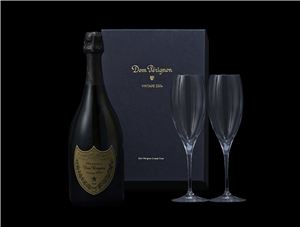
[Asia Economy Reporter Shinwon Yoon] Known as the "Emperor of Champagne," Dom Perignon proudly commands a high price. Among the world's top three champagnes, including Moet & Chandon and Veuve Clicquot, Dom Perignon holds the most expensive price range, ranging from around 200,000 KRW to over 1,000,000 KRW. Why is it so expensive?
The history of Dom Perignon dates back over 350 years to 1668, when champagne was first created. Dom Perignon is based on wine produced at the Benedictine Abbey of Hautvillers in the Champagne region of France. The origin of the brand name comes from the monk Dominus (a clerical rank) Pierre Perignon, who witnessed a wine bottle exploding in the abbey’s wine cellar while selecting wine for mass, marking the beginning of "champagne."
Champagne is a type of sparkling wine, and in fact, the formation of bubbles in wine was a common natural phenomenon during the wine-making process, so sparkling wines naturally existed since ancient Greece when wine was first made. At that time, it was considered a side effect of the wine-making process, and efforts were made to prevent it. However, Pierre Perignon observed bottles breaking due to carbon dioxide produced by yeast and, upon tasting it, found the flavor excellent. There is an anecdote that Perignon said to his fellow monks, "Brothers, come quickly. I'm drinking stars!"
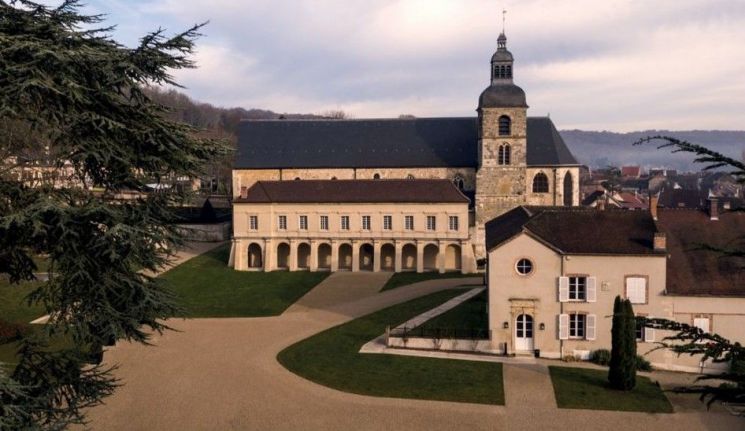
Pierre Perignon devoted himself to researching this sparkling wine and dedicated his life to leaving the production method to future generations. It still forms the basis of champagne production today. The word "champagne" is the Anglicized form of "Champagne." As a specialty product of the Champagne region, the term "champagne" is strictly protected under French trademark law, and sparkling wines produced outside the Champagne region are commonly referred to as "sparkling wine."
The history of the Dom Perignon brand began in the 1800s. The champagne brand Moet & Chandon, established by Claude Moet in Champagne, created the Dom Perignon brand. While champagne was becoming established as a specialty of Champagne, the French Revolution in 1789 brought a new government, and due to ongoing turmoil, the history of Dom Perignon was interrupted for about 30 years. It would be more accurate to say it was unrecorded. However, in 1832, Moet & Chandon restored the Abbey of Hautvillers and acquired the trademark for "Dom Perignon" to carry on the spirit of Pierre Perignon, the father of champagne.
Initially, champagne was not produced under the name Dom Perignon. About 90 years later, in 1921, Robert-Jean de Vogue, then CEO of Moet & Chandon, began producing champagne under the Dom Perignon name. The champagne made from the grapes harvested that year was released 15 years later in 1936 as "Dom Perignon 1921 Vintage."
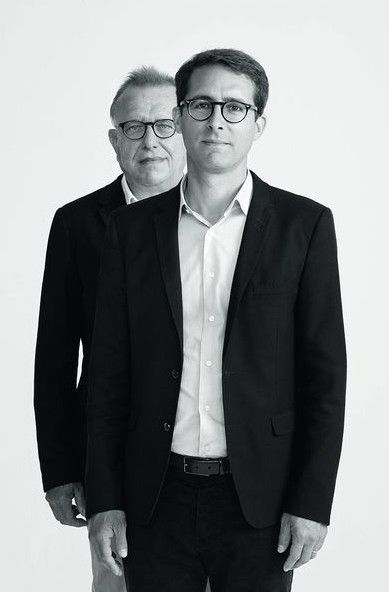
In fact, one reason Dom Perignon is expensive is because it only releases "vintage" champagnes. Generally, other champagne brands produce vintage champagnes in years with good grape harvests, and in other years, they blend champagnes from different years to create non-vintage champagnes. However, Dom Perignon only produces champagne in years with excellent harvests, so since its first production in 1921, it has produced champagne only about 40 times. Therefore, Dom Perignon vintages from exceptionally good years are more expensive and harder to obtain. Dom Perignon even has a chief winemaker who solely decides whether to produce vintage champagne.
For these reasons, Dom Perignon has been beloved by world-famous figures and has been part of major historical events. It was used as the celebratory champagne at the coronation of Queen Elizabeth II of the United Kingdom in 1952 and at the wedding of Prince Charles and Princess Diana in 1981. It is also known that Edward VIII, the Duke of Windsor, Wallis Simpson, and Winston Churchill enjoyed Dom Perignon. Dom Perignon also appeared at the birthday celebration of Lee Kun-hee, known as a wine enthusiast in Korea.
Dom Perignon began to build its luxury image in earnest after the 1970s. In 1971, Moet & Chandon, Dom Perignon’s parent company, merged with Hennessy Cognac to become Moet Hennessy, and in 1987, Moet Hennessy merged with Louis Vuitton, forming the LVMH (Louis Vuitton Moet Hennessy) group. Through this merger with luxury fashion brands, Dom Perignon added a fashionable image to champagne. It has appeared in advertisements with top global models and collaborated with pop artists like Jeff Koons and Andy Warhol, as well as filmmakers and designers like Karl Lagerfeld. Alongside affiliated brands such as Louis Vuitton, Givenchy, Fendi, and Bulgari, Dom Perignon is recognized as a luxury brand. The reason people worldwide are attracted to Dom Perignon is its ability to carry on Pierre Perignon’s craftsmanship and tradition while embracing innovation without hesitation.
© The Asia Business Daily(www.asiae.co.kr). All rights reserved.


















