Negotiation Cycle Extended from 1 Year to 5 Years, Increase Scale Significantly Reduced from $4 Billion
Early End Expected for Unpaid Leave of Korean Workers at USFK
[Asia Economy Reporter Lim Cheol-young] The 11th Special Measures Agreement (SMA) on defense cost-sharing between South Korea and the United States has been tentatively reached, and it is likely to be announced as early as the 1st. The working-level officials from both countries agreed to extend the negotiation cycle from one year to five years and reportedly significantly reduced the increase amount from the previous $4 billion.
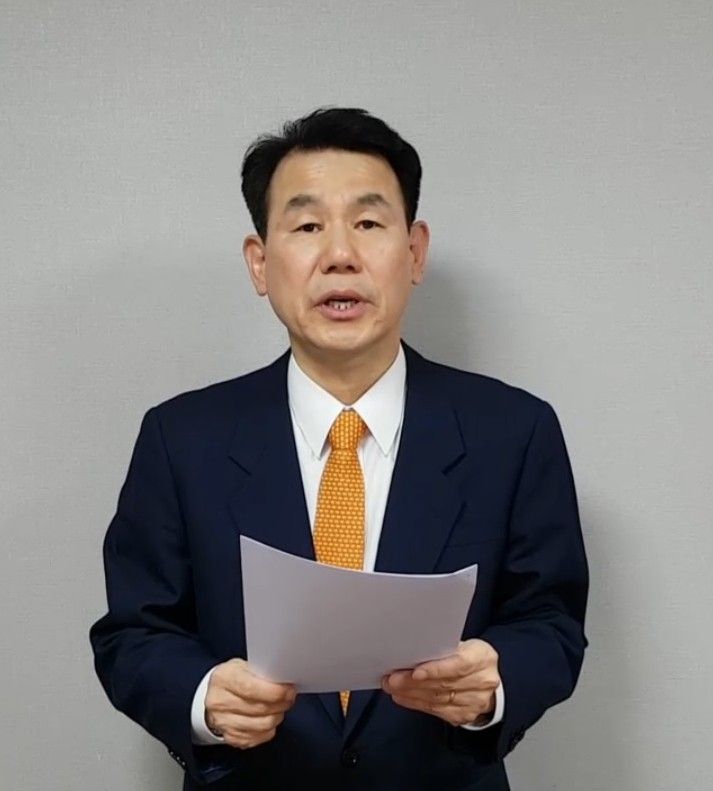
A diplomatic source said regarding the announcement of the negotiation results, "There are still steps remaining," and added, "We will have to wait until this afternoon." This suggests that the defense cost-sharing negotiations, which had seen no progress despite seven face-to-face talks over about six months since last September, are practically close to being finalized today. Once the final approval process by the heads of state of both countries is completed, the agreement is expected to be announced immediately. Jeong Eun-bo, the chief negotiator for the South Korea-U.S. defense cost-sharing talks, stated in an urgent video briefing the day before, "Since considerable consensus has been reached between South Korea and the U.S., we expect a final agreement soon."
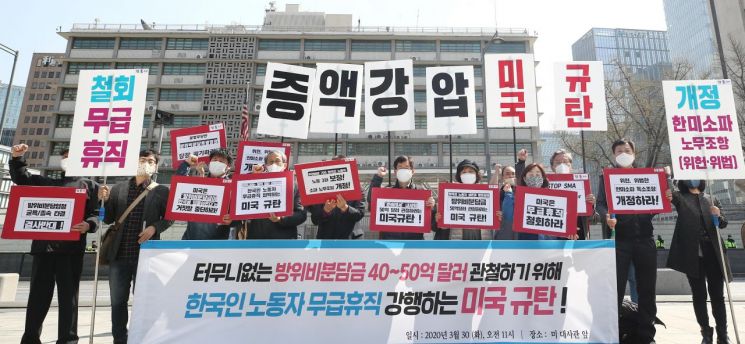
Accordingly, the unpaid leave measures for Korean workers employed by the U.S. Forces Korea, which began today, are not expected to be prolonged. Approximately 4,000 Korean workers, nearly half of the total 8,500 employees, have been subjected to forced unpaid leave this time. The U.S. Forces Korea delivered the final decision notice of unpaid leave to Korean workers on the 25th of last month.
The negotiations reportedly gained momentum from last weekend following a phone call between the South Korean and U.S. presidents on the 24th of last month regarding the response to the novel coronavirus disease (COVID-19). In response to U.S. President Donald Trump's request for medical equipment support, South Korean President Moon Jae-in pledged maximum assistance, forming a consensus on cooperation between the two leaders. Diplomatic circles observed that reaffirming the South Korea-U.S. alliance between the leaders positively influenced the defense cost-sharing negotiations.
The U.S. side initially demanded an absurdly high contribution of $5 billion, six times the amount of last year's contribution. The U.S. later lowered the demand to around $4 billion but appears to have significantly reduced the amount to a realistic level this time. It is also reported that the negotiation cycle was extended from the previous "one year," which the South Korean government found frustrating, to "five years," reflecting a considerable incorporation of the South Korean government's opinions overall.
© The Asia Business Daily(www.asiae.co.kr). All rights reserved.


















