8 out of 10 Office Workers Prefer Planned Spending and Saving Due to COVID-19 Impact
Biggest Cut in Expenses: Alcohol and Entertainment Costs
Some Office Workers Increase Spending Due to Social Distancing Stress
Experts: "COVID-19 Has Increased Consumption Contraction Among Office Workers"
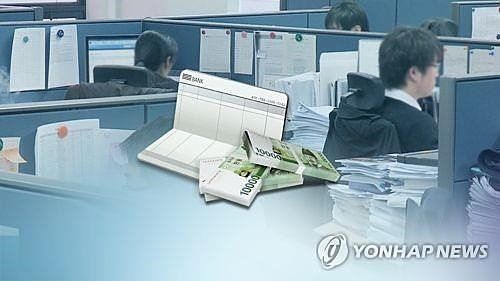 According to a survey, 8 out of 10 office workers are willing to change their consumption habits through planned spending or saving due to COVID-19. Photo by Yonhap News
[Asia Economy Reporter Kim Suwan] "We are tightening our belts because of COVID-19."
Office worker A (29) said that their household situation has worsened due to the novel coronavirus infection (COVID-19). A said, "Recently, since I have been working from home and spending more time at home, I have been spending a lot of money," adding, "I am trying to reduce expenses as much as possible." They continued, "It's tough, but since the COVID-19 situation continues, I think we need to save for the future."
As the impact of COVID-19 prolongs, office workers have been cutting back on spending. Experts analyze this as a phenomenon that can occur in the current situation where the economy is shrinking and the future is uncertain.
According to a survey, 8 out of 10 office workers reported that they are practicing planned consumption or saving due to COVID-19. In a survey conducted by Flea Market Job Search targeting 2,638 office workers on 'Changes in consumption patterns due to COVID-19,' 45% of respondents answered that their consumption decreased after the spread of COVID-19.
The item on which office workers reduced spending the most was 'entertainment expenses such as alcohol' (44.6%), ranking first. This was followed by 'hobbies and cultural activities expenses' (22.7%), 'beauty and grooming, maintenance shopping expenses' (11%), 'lunch expenses' (7.8%), 'purchase of luxury food items (cigarettes, coffee, etc.)' (6.3%), 'transportation expenses' (4.4%), and 'congratulatory and condolence expenses' (3.3%).
As a result, many office workers are reported to be experiencing economic difficulties due to COVID-19.
First-year office worker B (26) said, "(Because of the COVID-19 situation) as a newcomer to society, honestly, it is burdensome. Even if I want to save, I can't in this situation," adding, "It is tight to cover various living expenses and buy COVID-related items with just one month's salary." They added, "No matter how much I cut unnecessary expenses, I am always in deficit."
Another office worker C (26) said, "Since I have been refraining from going out, my consumption has decreased. Still, basic expenses are higher than before the COVID-19 situation, so I have to save more," adding, "Even if I go out once to a cafe, it costs at least 5,000 won. I am trying to reduce these small expenses by drinking coffee at home," and "I am especially reducing meetings and appointments with friends."
On the other hand, there are opinions that spending has actually increased due to the COVID-19 impact. Office worker D (25) said, "My spending has increased because of COVID-19. It seems I relieve the stress of not being able to go out by spending money at home," adding, "I feel uneasy going to the supermarket, so I order delivery food at home. Also, I spend money on things like paying for movies." They continued, "I know I should save, but the stress is greater, so I think I inevitably spend."
Experts analyze that the consumption contraction among office workers is increasing due to COVID-19.
Professor Eunhee Lee of the Department of Consumer Studies at Inha University said in a phone interview with Asia Economy, "Even before the COVID-19 situation, the economy was not good, but the spread of COVID-19 has made income stability even more uncertain. This is because there are many cases of layoffs and pay cuts."
She continued, "Economic psychology is the consumer's psychological expectation about future income. (However,) due to the COVID-19 impact, as more self-employed businesses and companies are closing, consumers are saving for the future." She added, "Office workers who increase consumption during a crisis will not be helpful to their households in the long term."
© The Asia Business Daily(www.asiae.co.kr). All rights reserved.


















