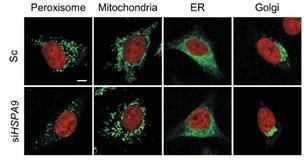
 Peroxisomes are decreasing due to the suppression of expression of the Parkinson's disease causative gene HSPA9.
[Asia Economy Reporter Junho Hwang] Domestic researchers have presented findings that dysfunction of peroxisomes, a cellular organelle, can lead to Parkinson's disease. In addition to mitochondrial dysfunction, which has been considered a major cause of Parkinson's disease, abnormalities in peroxisomes responsible for removing cellular stress can also be a cause of the disease. It is expected that a new therapeutic approach focusing on restoring peroxisome function will open new avenues for Parkinson's disease treatment. The Korea Research Institute of Bioscience and Biotechnology introduced these research results on the 20th.
The Secret of Peroxisomes
Professor Donghyung Cho from the Department of Life Sciences at Kyungpook National University, Dr. Dooshin Cho, and Kyuseon Lee, director of the Bio-Nano Research Center at KRIBB, revealed through joint research that mutations in the HSPA9 gene, a causative gene for Parkinson's disease, increase oxidative stress and reduce peroxisomes, which can lead to the onset of Parkinson's disease.
Peroxisomes are single-membrane cellular organelles found in the cytoplasm of all eukaryotic cells in our body. They have functions such as fatty acid oxidation, fatty acid breakdown, and regulation of cholesterol metabolism. In particular, peroxisomes are known to perform autophagy by engulfing unnecessary components of themselves to replenish nutrients when oxidative stress accumulates.
The research team discovered that the HSPA9 gene plays an important role in the degradation of peroxisomes. They further demonstrated that peroxisomal dysfunction is associated with Parkinson's disease.
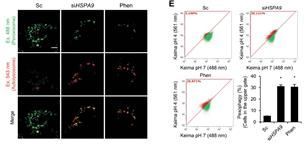
The team reduced the expression of the HSPA9/Hsc70-5 gene in human cells and Drosophila animal models, which resulted in a significant decrease in peroxisomes. They also confirmed that this phenomenon was reversed when the autophagy-related genes ATG5 or ATG7 were deficient. This proved that the reduction of peroxisomes caused by the HSPA9 gene mutation was due to autophagy.
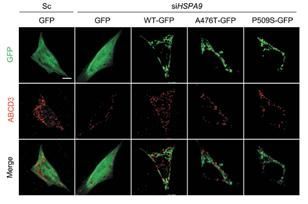
The researchers reintroduced the normal HSPA9 gene into experimental subjects with reduced peroxisomes. As a result, the decline in peroxisomes was restored. In contrast, the introduction of Parkinson's disease mutant genes showed little response. This revealed that peroxisomal dysfunction is involved in the pathogenesis of Parkinson's disease.
A New Chapter in Neurodegenerative Disease Treatment
The research team expects that studies on peroxisomes will open new chapters in the treatment of neurodegenerative diseases.
Professor Donghyung Cho stated, "This research outcome reveals that regulating the maintenance of peroxisome function is crucial for effectively treating neurodegenerative diseases." He added, "If new drugs are developed that simultaneously target the interactions between cellular organelles such as peroxisomes and mitochondria, as well as various regulatory factors related to maintaining peroxisome function, they could be widely utilized in the development of treatments for neurodegenerative diseases, cancer, metabolic disorders, and age-related diseases."
© The Asia Business Daily(www.asiae.co.kr). All rights reserved.



















