The Probability of a Girl Born in Somalia Undergoing Female Genital Mutilation is 98%, Highlighting the Need for More Active Awareness Efforts
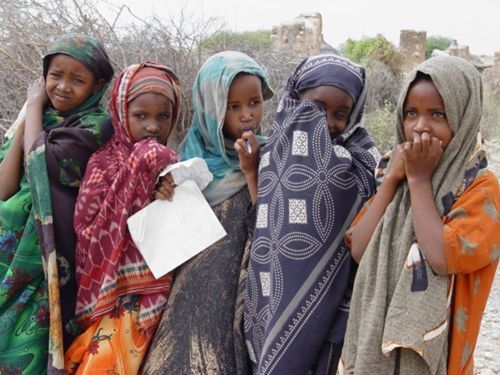
International relief and development NGO World Vision (Chairman Yang Ho-seung) called for attention to female genital mutilation (FGM) victims in Somalia and other African regions on February 6, the International Day of Zero Tolerance for Female Genital Mutilation.
Since 2008, World Vision has continuously carried out a three-phase support project for FGM victims in the Somalia region. Since 2017, it has been implementing projects aimed at medical support, welfare improvement, and advocacy enhancement for female FGM victims and local residents in the Togdheer region of Somaliland. The total project scale has reached approximately 1.4 million USD from 2008 to the present, focusing on improving the health of women suffering from complications of FGM in the Togdheer region, strengthening income-generating capacities for women, and raising awareness among men and the broader local community.
Female genital mutilation refers to the act of sewing and cutting female genitalia, officially called Female Genital Mutilation (FGM). It is a customary ritual practiced across several African countries, where the external female genitalia are cut leaving only a hole the size of a match head, then sewn shut with thread to preserve purity.
According to World Vision, the average age for FGM is 10 years old, with 9,000 girls undergoing the procedure daily. Seven out of ten girls receive the procedure at home without medical equipment, in unsanitary conditions, and with unsterilized tools, which poses risks of sepsis and rupture. Although FGM is legally banned in most countries, it is still practiced in 29 African countries. Victimized girls suffer severe psychological and economic pain from FGM, often unable to recognize their pain as a medical condition, and due to lack of medical facilities and economic hardship, they do not receive treatment.
Since 2008, World Vision has been conducting integrated projects in Somalia to support girls suffering from FGM, including awareness education for FGM abolition, obstetric fistula surgery and rehabilitation treatment, vocational training, and startup support. Especially from 2017 to 2020, it has provided hospital treatment fees and livelihood support for FGM victims in Somalia, as well as advocacy activities targeting local governments and residents to fundamentally improve awareness.
The FGM victim support project in Somalia goes beyond simply providing surgery fees for victims, encompassing ▶ hospital construction and capacity building for health workers ▶ socioeconomic welfare improvement and community reintegration through savings groups and vocational training for victims and local residents ▶ education and training to improve awareness of FGM and child marriage, forming an integrated support system.
Ambaro, a former FGM practitioner in Somalia, learned the procedure from her mother and performed FGM on girls throughout her life. However, she has now started a new business as a livestock farmer with support from World Vision. Ambaro said, “I attended several meetings provided by World Vision and learned about the serious harm caused by FGM. World Vision persuaded me to stop performing FGM on girls and said they would help anyone who wanted to quit this work and support starting a new business so income would not be cut off.” She added, “Currently, with World Vision’s help, I am running a livestock farming business. I make sure the goats and sheep I raise can go outside every day and that they always have enough water and grass. I hope the livestock will give birth soon so I can earn money.”
Kim Dong-joo, team leader of World Vision’s international relief team, said, “In Somalia, the probability of experiencing FGM if born female is as high as 98%, making the number of FGM victims in Somalia significant even within Africa. World Vision is conducting treatment and health activities for the aftereffects suffered by victims, as well as advocacy activities to improve the community’s perception of the customary practice of FGM.” He added, “We hope many people will take interest in World Vision’s support projects for female FGM victims so that no child suffers simply because she was born female in Africa.”
World Vision is carrying out various FGM victim support projects in Somalia, including vocational training for FGM practitioners and awareness improvement among local residents.
© The Asia Business Daily(www.asiae.co.kr). All rights reserved.

















