EU Parliament Passes Resolution for Common Mobile Device Chargers
Increase Recyclable Cables and Chargers to Avoid Additional Purchases
Apple Opposes: "Legislation Suppresses Innovation, Increases Electronic Waste"
Unclear Whether 'Chargers' Include Cables and Connectors
[Asia Economy Reporter Han Jinju] The European Parliament has overwhelmingly passed a resolution requiring mobile device manufacturers to use a common charger. The European Parliament plans to establish new regulations for a single charger by July.
On the 31st (local time), according to CNN and MacRumors, the European Parliament passed a resolution urging the unification of electronic device chargers with 584 votes in favor and 40 against.
The EU Parliament prepared this resolution to introduce chargers that can be commonly used regardless of brand or type when using electronic devices such as smartphones and tablets. It calls for increasing recyclable cables and chargers and emphasizes the need for measures to prevent consumers from having to purchase a charger every time they buy a device.
The EU Commission explained, "Although the industry has voluntarily reduced the types of chargers, it has not established a single common standard," adding, "EU regulations are urgently needed to reduce electronic waste and enable consumers to make sustainable choices."
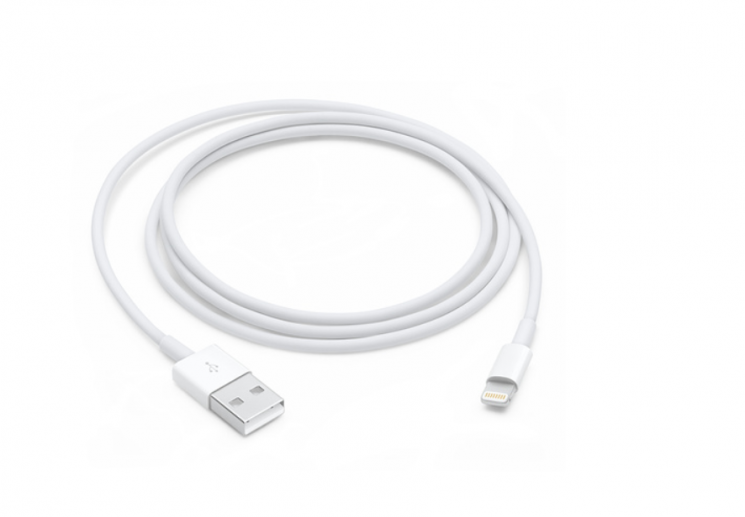
There are three types of charging ports used for portable chargers: 'Micro USB' applied to older Android smartphones, 'USB-C' used in recently released Android devices, and 'Lightning connector' used in Apple products. The resolution passed by the EU Parliament does not specify which type will be the standard. Since most manufacturers have adopted the USB-C type, it is unlikely that Apple's Lightning connector will become the standard.
Apple switched from the 30-pin connector to the Lightning connector in 2012. In 2010, Micro USB was adopted as the standard, but Apple maintained its proprietary port. Since the full introduction of the USB-C connector, Apple has equipped MacBooks and iPad Pro models with USB-C connectors but has not abandoned the Lightning port on iPhones. However, last year, Apple provided USB-C type chargers with the iPhone 11 Pro and Max models.
Apple strongly opposes measures that mandate standardized charging ports like USB-C. In a statement regarding the EU Parliament's resolution, Apple argued, "Regulating the type of connector built into all smartphones would suppress innovation rather than encourage it and could negatively impact consumers and the European economy as a whole."
Apple continued, "Over 1 billion Apple devices have been shipped with the Lightning connector, creating an ecosystem of accessory and device manufacturers based on it," adding, "This legislation would destroy hundreds of millions of devices and accessories used by Apple customers in Europe and worldwide, generate unprecedented amounts of electronic waste, and inconvenience users."
Although the EU resolution includes content about charger standards, it does not provide clear guidelines on whether it covers the charger itself or both the charger and connector cables. A recent 'Impact Assessment Study on Common Chargers of Portable Devices' released by the EU Commission includes chargers, cables, and connection ports.
The key point of this study report is that an effective way to resolve consumer inconvenience caused by manufacturers' different charging methods is to pursue a common connector combined with interoperable external power supplies. MacRumors explained, "However, it remains to be seen whether the EU Commission will accept this assessment recommendation and specify it in the resolution."
© The Asia Business Daily(www.asiae.co.kr). All rights reserved.
!["I'd Rather Live as a Glamorous Fake Than as a Poor Real Me"...A Grotesque Success Story Shaking the Korean Psyche [Slate]](https://cwcontent.asiae.co.kr/asiaresize/183/2026021902243444107_1771435474.jpg)
















