Focus on Safe Asset Dollar Amid Low Interest Rates
"Not a Financial Product for Currency Investment"
[Asia Economy Reporter Oh Hyung-gil] Dollar insurance products have been launched in a continuous stream since the beginning of the year. Despite the financial authorities issuing a 'consumer advisory' just six months ago, the trend shows no sign of slowing down. This is due to the increased preference for the dollar as a safe asset amid growing global economic uncertainties.
Insurance companies expect consumer interest to continue rising as the ultra-low interest rate environment makes it possible to secure stable assets using the dollar.
According to the insurance industry on the 17th, fierce competition is expected this year as small and medium-sized life insurance companies have recently entered the dollar insurance market, which had been dominated by foreign insurers.
DGB Life Insurance began selling the 'American Dream Dollar Pension Insurance' from the 16th. It is a single premium pension product with a subscription limit of over $10,000, featuring a guaranteed interest rate of 2.7% over 10 years. The product is available for ages 0 to 75, significantly expanding the eligible age range. It is reported that DGB Life Insurance spent a year developing the system for this dollar insurance product.
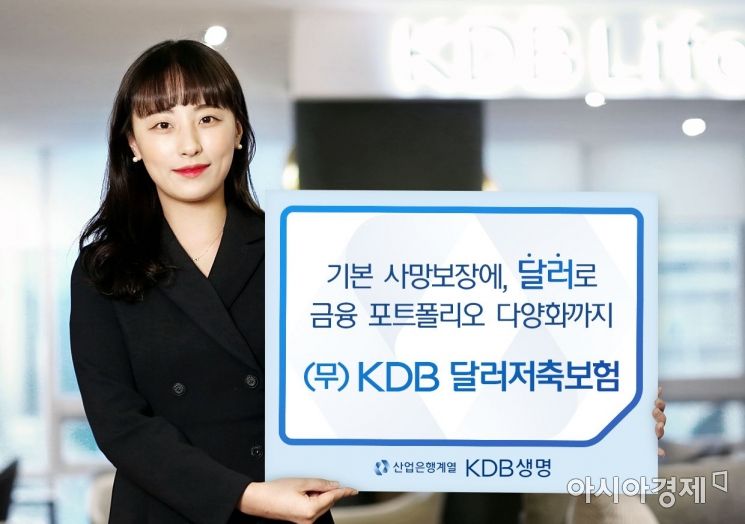
KDB Life Insurance recently launched the 'KDB Dollar Savings Insurance,' the first of its kind as a savings insurance product. It is a single premium product with a subscription amount ranging from a minimum of $10,000 to a maximum of $5 million. If the insured survives until maturity, the accumulated amount is paid out, and in the event of death during the insurance period, 10% of the single premium plus the accumulated amount at the time of death is paid. The product targets customers who need dollars for purposes such as children's study abroad and immigration funds.
A KDB Life Insurance official explained, "We simplified the product structure by focusing only on interest rates and death benefits to improve accessibility," adding, "We expect the dollar insurance market to continue growing and plan to expand our portfolio by launching products such as dollar whole life insurance."
Dollar insurance has so far been dominated by foreign life insurers such as AIA, MetLife, and Prudential. Prudential Life Insurance led the popularization of dollar insurance by launching products like the 'Dollar Lifetime Income Variable Pension Insurance,' while MetLife Life Insurance introduced the 'Universal Dollar Whole Life Insurance.'
The reason foreign companies could actively offer dollar insurance products is that they have systems that use the dollar as a key currency to convert Korean won into dollars. Recently, domestic companies have also established systems that use the dollar as a currency separately from the won, entering the dollar insurance market.
Some analysts interpret this aggressive sales strategy as an attempt to boost revenue in the absence of eye-catching products at the beginning of the year. As of the third quarter of last year, KDB Life Insurance and DGB Life Insurance, which launched dollar insurance products, recorded earned premiums of 2.1955 trillion won and 634.2 billion won, respectively, down 6% and 22% compared to the same period the previous year.
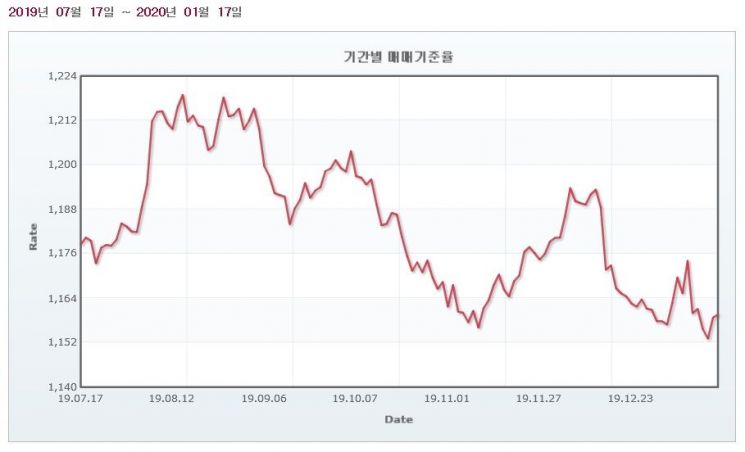
Although dollar insurance is based on the stability of the dollar as a key currency, it carries various risks such as exchange rate fluctuations and U.S. interest rates. Since the U.S.-China trade dispute last year, the strong dollar has persisted, causing the won-dollar exchange rate to fluctuate significantly, hovering around 1,200 won.
Insurance companies emphasize the advantage of investing in relatively high-yielding dollars while providing disability or death coverage, but experts advise that investing without understanding the risks can lead to losses.
The Financial Supervisory Service (FSS) issued a consumer advisory on foreign currency insurance in July last year and announced plans to inspect for incomplete sales. This was based on the judgment that insurance companies were selling policies without explaining the risks associated with exchange rate fluctuations.
The FSS warned that due to exchange rate fluctuations, the won value of premiums paid by consumers and insurance benefits received may vary, and maturity benefits of interest-linked insurance products may change depending on foreign interest rate levels. Additionally, it emphasized that foreign currency insurance should not be considered a financial product for exchange rate speculation.
An official from the authorities pointed out, "Although the interest rates in the U.S. or China are higher than in Korea, and one might think foreign currency insurance is advantageous in terms of interest rates, most foreign currency insurance policies have long durations of 5 or 10 years or more, making it difficult to expect foreign interest rates to remain high continuously."
An insurance industry official said, "Since exchange rates keep fluctuating, if the exchange rate drops at the time of subscribing to dollar insurance, losses may occur," adding, "Given that the authorities have issued a consumer advisory, measures to prevent incomplete sales should be prepared."
© The Asia Business Daily(www.asiae.co.kr). All rights reserved.


















