Yongin, Suwon, Anyang, Guri, etc. Continue to See Rising House Prices
Upward Trend Maintained Due to Weak Regulatory Pressure and Various Positive Factors
Different Atmosphere from Seoul's Declining Increase for 3 Consecutive Weeks
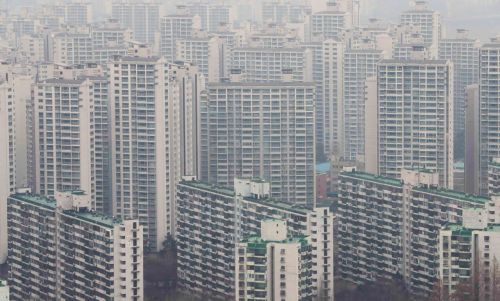
[Asia Economy Reporter Moon Jiwon] After the government's announcement of the December 16 real estate measures, the rate of increase in apartment prices in Seoul has slowed for three consecutive weeks, but housing prices in non-regulated areas such as Yongin, Suwon, Anyang, and Guri continue to rise. Since the regulations are focused on high-priced apartments in Seoul, it is analyzed that the 'balloon effect' is accelerating mainly in major areas of Gyeonggi Province where the pressure is relatively less intense.
According to the Korea Real Estate Board's 'Weekly Apartment Price Trend for the First Week of January 2020' on the 11th, apartment prices in Giheung-gu, Yongin-si, Gyeonggi-do rose by 0.36% compared to the previous week, increasing the rate of growth. This is quite different from the atmosphere in Seoul, where apartment prices rose by 0.07% during the same period, with the rate of increase declining for three consecutive weeks. Suji-gu in Yongin also rose by 0.52%, showing a somewhat reduced rate of increase compared to the previous week but still maintaining a high price growth trend.
In the case of Suji-gu, the Shinbundang Line passes through, providing good accessibility to Gangnam, and recently, remodeling trends have been emerging mainly in apartments built in the early 1990s, which is interpreted as giving momentum to price increases. The Korea Real Estate Board explained, "In Suji-gu, Yongin, prices rose mainly in complexes with expectations for residential environment improvements, such as Pungdeokcheon and Sinbong-dong."
Apartments in Guri-si, Gyeonggi-do, and Paldal-gu, Suwon, also rose by 0.4% and 0.43%, respectively, maintaining a strong upward trend since December 16, 2019. The rise in housing prices in Guri-si appears to be largely influenced by the subway opening. According to the industry, prices surged mainly in complexes near the planned stations of Line 8 in Inchang and Sutaek-dong in Guri-si.
The extension of Subway Line 8, the Byeollae Line, scheduled to open in September 2023, is a route connecting Amsa Station through Guri-si and Namyangju Dasan to Byeollae. Once opened, accessibility to Gangnam from Guri-si will improve, and despite the government's strong real estate regulations, the housing price increase trend remains clear.
In Dongan-gu, Anyang-si, apartment prices rose by 0.36% compared to the previous week, supported by transportation benefits. In this area, various transportation developments in the outskirts of Seoul, such as the Indeokwon-Dongtan double-track railway, have maintained a steady upward trend. Major apartment complexes located in Indeokwon, such as Pureunmaeul Indeokwon Daewoo Apartments, have seen buyer sentiment concentrate, with prices rising by nearly 100 million KRW in recent months.
Gwangmyeong-si, a beneficiary area of the Sinansan Line, also saw prices rise by 0.31% compared to the previous week. The Sinansan Line connects Ansan, Gyeonggi-do, to Yeouido. KTX Gwangmyeong Station is included among the 15 stops on this line. Once opened, it is expected to greatly improve accessibility to downtown Seoul. The Korea Real Estate Board explained, "The upward trend continued mainly in complexes with expectations for improved transportation conditions, such as Haan and Iljik-dong."
© The Asia Business Daily(www.asiae.co.kr). All rights reserved.

















