Dependence on Crude Oil and Gas Imports...
Prolonged Crisis Could Disrupt Supply Chain
Oil Prices May Surge, Freight Rates Could Jump by 80%
The crisis in the Strait of Hormuz is escalating as the United States and Israel have carried out large-scale joint airstrikes on Iran, prompting retaliatory actions from Iran. Overseas experts have warned that if the blockade of the strait is prolonged, the Korean economy will inevitably suffer a significant shock.
According to Yonhap News on March 1 (local time), James Kim, Director of the Korea Program at the Stimson Center, a U.S. think tank, warned that this situation could impact the Korean economy’s energy supply sector.
Director Kim stated that the current situation could disrupt Korea’s energy supply chain. He explained that Korea relies on the Middle East for about 70% of its crude oil imports and up to 30% of its natural gas, and that these resources account for more than 56% of the country’s total energy consumption.
The Strait of Hormuz is a strategic chokepoint connecting the northwest Indian Ocean with the Persian Gulf and the Gulf of Oman. Since about 20-25% of the world’s seaborne crude oil passes through this vital export route for Middle Eastern oil producers, heightened military tensions have a direct impact on the international energy market.
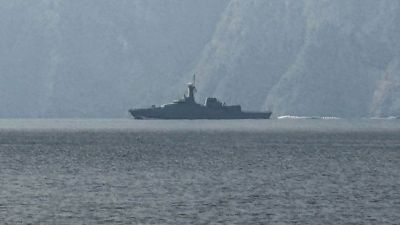
Director Kim commented, “Korea has stockpiled more than 100 million barrels of crude oil and 52 days’ worth of liquefied natural gas (LNG), which can help cushion the short-term shock.” However, he expressed concern that “if international shipping through the strait is disrupted for an extended period, it could affect not only power supply but also Korea’s overall export production capacity.”
If the strait is blockaded and alternative routes are used, maritime freight rates are expected to increase by 50-80%, and transit times may be extended by three to five days. During past conflicts, marine insurance premiums were reported to have surged up to sevenfold, fueling concerns about increased cost burdens.
There are also concerns about a sharp rise in oil prices. Emma Ashford, Senior Fellow at the same institution, predicted, “Even a partial blockade or insurers issuing warnings about route risks could trigger an initial spike in oil prices,” and added, “If the conflict spreads to maritime transport across the Gulf region, international oil prices could rise sharply.”
In fact, international oil prices are already trending upward. According to foreign media, Brent crude prices in the over-the-counter market rose by 8-10% compared to the previous trading day, trading at around $80 per barrel. The market is not ruling out the possibility of further sharp increases if the blockade of the strait becomes a reality.
The rise in oil prices and disruptions to maritime shipping are expected to burden Korean export companies as well. The Korea International Trade Association estimated that if oil prices rise by 10%, domestic companies’ costs would increase by 0.38%, while exports would decrease by 0.39%.
© The Asia Business Daily(www.asiae.co.kr). All rights reserved.












