"Several Months' Worth of Oil and Gas Reserves Secured"
Enhanced Monitoring of Vessels Passing Through the Strait of Hormuz
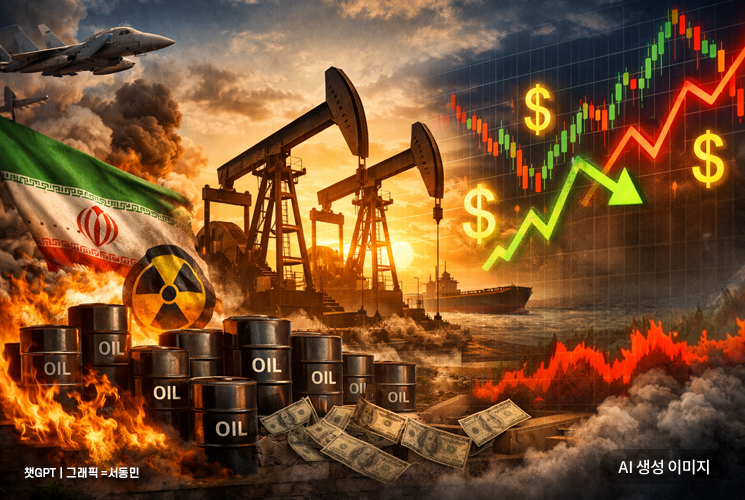
As tensions in the Middle East have sharply escalated following strikes on Iran by the United States and Israel, the government has begun reviewing energy supply and demand, even considering the possibility of releasing oil reserves. While the country currently holds several months’ worth of oil reserves and gas inventories exceeding the legally required amount-ensuring no immediate short-term supply issue-an emergency response system has been activated as some oil tankers are scheduled to transit the Strait of Hormuz.
On February 28, Minister of Trade, Industry and Energy Kim Jeonggwan convened the “First Emergency Situation Review Meeting” with relevant agencies in response to the strikes by the United States and Israel on Iran, focusing on the supply and demand of oil and gas, international price trends, and vessel operation status. The meeting was attended by departments in charge of oil and gas within the Ministry, as well as Korea National Oil Corporation, Korea Gas Corporation, Korea Electric Power Corporation, and KOTRA.
The review found that, so far, there have been no unusual incidents involving the operation of oil tankers or LNG carriers. However, since some tankers are scheduled to pass through the Strait of Hormuz, proactive management such as securing alternative routes is required. It was also analyzed that volatility in international crude oil and gas prices may increase depending on how the conflict unfolds.
The government and industry plan to secure alternative supplies from regions outside the Middle East if disruptions to Middle Eastern supply materialize. The Ministry of Trade, Industry and Energy has stated that, should the situation deteriorate, it will decide whether to release reserves stored at nine national reserve bases after holding its own situation assessment meeting.
Minister Kim instructed, “Please closely monitor domestic price trends, developments in the Middle East, and the status of vessel operations,” and added, “Preemptively review the emergency manual, including measures such as expanding overseas procurement and preparing for the release of oil reserves.”
The Ministry will operate an emergency task force led by Yang Kiuk, policy chief for Industrial Resource Security, and intends to monitor the situation daily and respond in stages as needed.
© The Asia Business Daily(www.asiae.co.kr). All rights reserved.












