Support for Granting Prosecutors Direct Supplementary Investigation Authority Following Establishment of SCIA and Prosecution Agency
Around 70% of Judges, Prosecutors, Lawyers, and Professors in Favor
62.5% of Police Investigators Also Supportive
Majority of Legal Community Opposes Police Authority to Decide Not to Refer Cases
Public Trust Highest in Courts, Followed by Police, Prosecution, and CIO
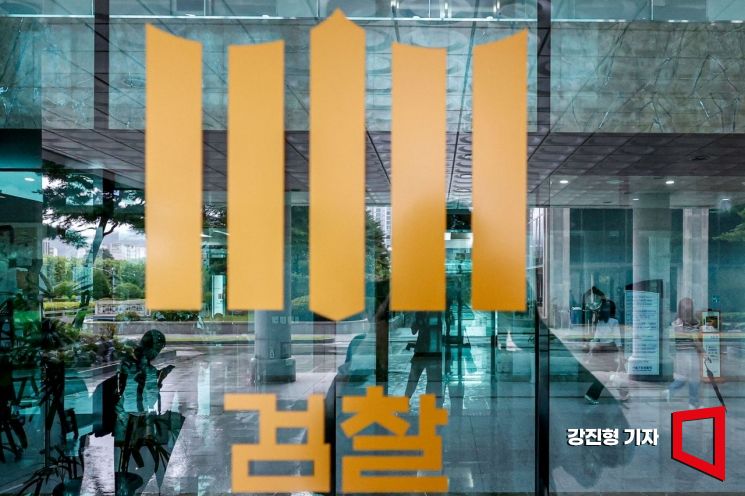 It is expected that the Special Prosecutor Team for the Rebellion Case will emphasize the legitimacy of the detention by involving the special prosecutors and prosecutors who participated in the detention warrant examination during former President Yoon Seokyeol's detention review. The photo shows the office of the Special Prosecutor Team for the Rebellion Case set up at the Seoul High Prosecutors' Office in Seocho-gu, Seoul, on July 18, 2025. Photo by Kang Jinhyung
After the establishment of the Serious Crime Investigation Agency (SCIA) and the Prosecution Agency, a majority of legal professionals-including judges, prosecutors, lawyers, and law professors-are shown to support granting prosecutors the authority to directly conduct supplementary investigations.
According to the final report of a research project titled "Perception Survey on Prosecution Reform" (commissioned by the Prosecution Reform Task Force of the Office for Government Policy Coordination) released on February 27, support for granting prosecutors supplementary investigation authority was prevalent across major legal professions. The survey, conducted from January 6 to 15, included a total of 113 participants: 15 judges, 26 prosecutors, 20 lawyers, 24 law professors, and 28 relevant public officials such as judicial police officers.
By profession, 80% of judges supported granting prosecutors supplementary investigative authority. Among prosecutors, 73.1% were in favor; among lawyers, 75.0%; and among law professors, 79.2%. Additionally, 87.5% of prosecution investigators and 62.5% of police investigators supported the measure. Support was also observed among special judicial police officers (66.7%) and employees of reporting agencies (50%), indicating an overall positive consensus.
On the other hand, the legal community largely expressed negative views regarding the authority of regular judicial police to decide not to refer cases for prosecution. Specifically, 73.3% of judges, 92.3% of prosecutors, 60.0% of lawyers, and 79.2% of law professors evaluated it negatively. In contrast, only 32.5% of police investigators held negative views, highlighting clear differences in perception among professions.
Meanwhile, a separate quantitative survey of the general public (4,000 men and women aged 18 and older) showed trust levels in criminal justice institutions as follows: courts at 46.0%, police at 36.4%, prosecution at 31.3%, and the Corruption Investigation Office for High-ranking Officials (CIO) at 29.9%.
© The Asia Business Daily(www.asiae.co.kr). All rights reserved.












