Concerns Raised Over Weakened Autonomy and Administrative Marginalization
Daegu-Gyeongbuk Integration Unacceptable Without Residents' Consensus
The chairpersons of the eight city and county councils in the northern region of North Gyeongsang Province have officially expressed their joint opposition to the ongoing efforts toward administrative integration between Daegu and Gyeongbuk. They believe that discussions on integration are accelerating without sufficient review of the potential impact on local autonomy and the balance of administrative services.
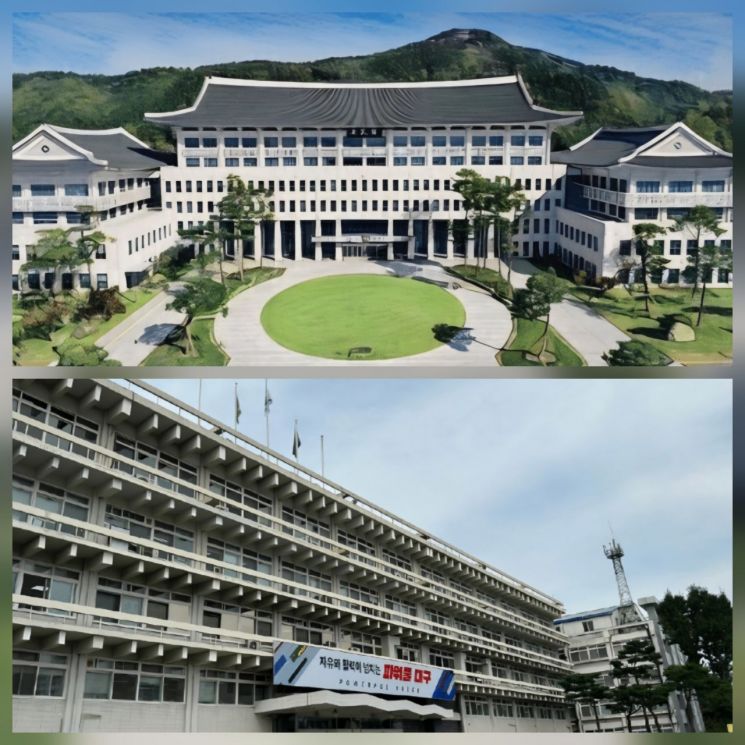
The councils participating in this statement include Yeongyang County Council, Andong City Council, Yeongju City Council, Mungyeong City Council, Yecheon County Council, Bonghwa County Council, Uljin County Council, and Cheongsong County Council. This joint declaration by major northern city and county councils against administrative integration suggests that inter-regional conflicts may intensify during the future integration process.
Through their statement, the chairpersons defined the Daegu-Gyeongbuk administrative integration as an issue that goes beyond a mere restructuring of administrative systems, having a profound impact on local autonomy and the quality of life for residents. They stressed that proceeding with integration discussions without sufficient public debate and gathering of residents' opinions makes it difficult to secure legitimacy.
They also expressed concerns that, as the northern region is already facing structural challenges such as population decline and a weakened financial base, integration at the metropolitan level could further concentrate administrative functions in the southern region and push the northern region down the policy priority list. Reduced accessibility to administrative services and exacerbated regional marginalization were also raised as major concerns.
The chairpersons highlighted that the core value of local autonomy lies in regional independence and accountability, pointing out that promoting integration without residents' consent could undermine the very foundation of local self-government. They also announced plans to maintain a united response and continue addressing the issue at the council level to ensure that residents' opinions are adequately reflected throughout the administrative integration process.
Finally, the chairpersons reaffirmed their opposition to the Daegu-Gyeongbuk administrative integration, emphasizing that the future of the region should be determined based on the will and consensus of its residents.
The debate over Daegu-Gyeongbuk administrative integration is a representative issue where the policy goal of strengthening metropolitan competitiveness clashes with the practical challenge of achieving balanced regional development. The northern region, in particular, faces structural limitations such as weak industrial and population bases, making it particularly wary of administrative and fiscal centralization following integration.
This joint response by the council chairpersons is a symbolic indication that the integration discussion is perceived not just as a matter of administrative efficiency but as a regional survival strategy. Going forward, the key to promoting integration will likely be building consensus among residents and establishing mechanisms to ensure balanced development between regions, rather than focusing solely on speed.
© The Asia Business Daily(www.asiae.co.kr). All rights reserved.












