Helicobacter pylori Infection Raises Gastric Cancer Risk by 6.4 Times
Sharing Stews at the Table May Contribute to Infection
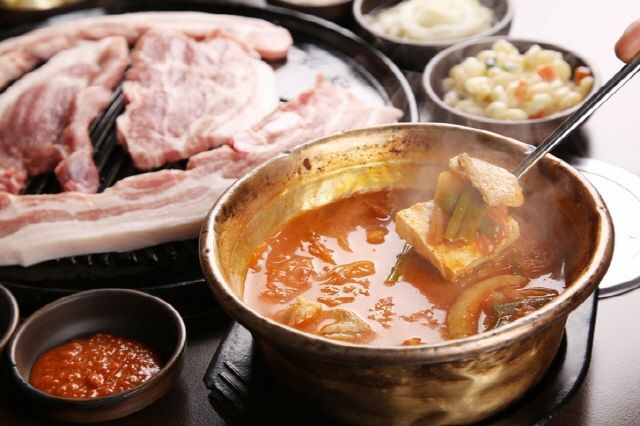
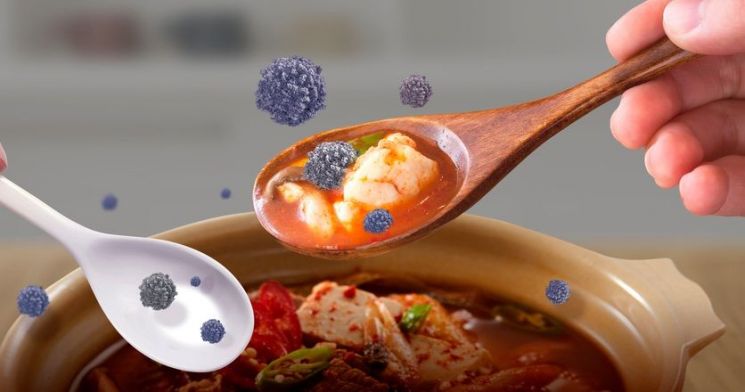
It is common in Korea for several people to share soup dishes such as guk or jjigae, eating directly with their own spoons. However, this habit can be a cause of Helicobacter pylori infection. In particular, studies have shown that people infected with Helicobacter pylori have more than six times the risk of developing gastric cancer compared to those who are not infected, highlighting the need for special caution.
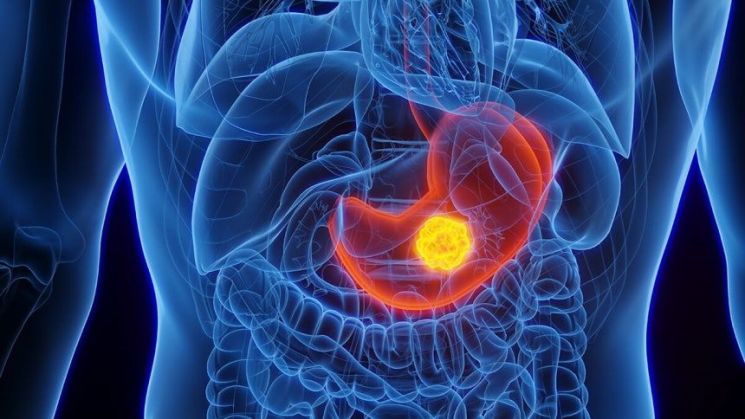
Gastric cancer is one of the most prevalent cancers affecting Koreans. It ranks as the fifth most common cancer, following thyroid, colorectal, lung, and breast cancers. Each year, there are as many as 29,000 new cases of gastric cancer. Experts point to infection with Helicobacter pylori (H. pylori) as one of the key reasons for Korea's high incidence of gastric cancer.
Helicobacter pylori is the only bacterium that can survive on the epithelial lining of the human stomach, where strong gastric acid is secreted, and it has been designated as a Group 1 carcinogen by the World Health Organization (WHO). This bacterium is mainly transmitted via oral contact, and among people aged 16 and over in Korea, the prevalence rate is 44%. The Korean dining culture of sharing food from communal dishes, rather than portioning out individual servings, is also cited as a factor that increases the infection rate.
Helicobacter Infection Raises Gastric Cancer Risk Sixfold
According to a study published in the latest issue of the international journal 'BMC Cancer' by a research team from the Department of Preventive Medicine at Chung-Ang University College of Medicine, Helicobacter pylori infection increases the risk of gastric cancer in Koreans by more than six times.
The research team analyzed health insurance data from 6,863,103 adults aged 40 to 74 who underwent the national cancer screening program in 2018 to estimate the causal pathway between Helicobacter pylori infection and the occurrence of gastric cancer. As a result, people infected with Helicobacter pylori were found to have a 6.4 times higher risk of developing gastric cancer compared to non-infected individuals.
In addition, the risk of developing precancerous lesions such as atrophic gastritis and intestinal metaplasia was 1.41 times higher, and the risk of developing gastric adenoma was 5.81 times higher. An adenoma is a 'pre-cancerous tumor' that forms due to abnormal proliferation of cells in the gastric mucosa. While benign at first, some adenomas may progress to actual gastric cancer over time.
Infection → Gastritis → Adenoma → Gastric Cancer: Focus on the Correa Pathway
The research team highlighted the 'Correa pathway' as a representative model explaining the mechanism of gastric cancer development. This stepwise theory suggests that Helicobacter infection leads to chronic gastritis, which then progresses to atrophic gastritis, intestinal metaplasia, adenoma, and ultimately gastric cancer.
The researchers especially focused on the role of adenomas. According to their analysis, 36% of the effect of Helicobacter infection leading to gastric cancer occurred through adenoma formation. Additionally, in the progression of atrophic gastritis or intestinal metaplasia to gastric cancer, adenomas accounted for 44% of the cases. This suggests that adenomas can essentially serve as 'acceleration phases' in the development of gastric cancer.
Salty Foods and Smoking Are Also Risk Factors... Regular Endoscopy Is Essential
Aside from Helicobacter infection, gastric cancer results from a complex interaction of several factors, including a diet high in salty foods and processed foods, smoking, alcohol consumption, and chronic gastritis. In its early stages, symptoms are often mild, such as indigestion, bloating, or slight heartburn, and are easily overlooked. If you experience weight loss, loss of appetite, upper abdominal pain, or anemia, there is a high possibility that the cancer has already advanced, so caution is needed.
For prevention, it is recommended to avoid salty foods, processed meats, charred foods, and excessively hot foods, and to maintain a diet rich in fruits and vegetables. Quitting smoking and moderating alcohol consumption are also essential. Experts emphasize, "Excessive salt intake, a diet centered on processed foods, smoking, and heavy drinking damage the gastric mucosa and cause chronic inflammation, increasing the risk of developing gastric cancer." They stress that regular endoscopic screening for early detection is the most reliable preventive measure, even if there are no symptoms.
© The Asia Business Daily(www.asiae.co.kr). All rights reserved.














