Conservation-Science Analysis of Sixty-Four Large Buddhist Paintings
Cross-Verification of Pigment and Textile Analysis with Historical Documents
Providing Foundational Data for Future Conservation and Restoration to Original Form
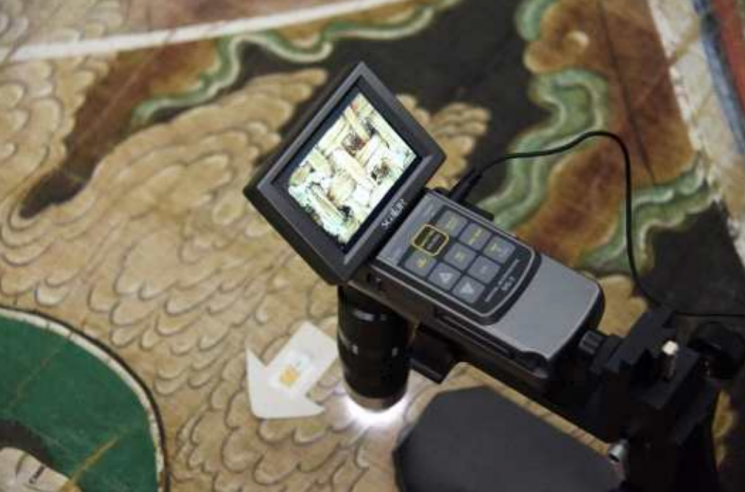
The National Research Institute of Cultural Heritage published on February 27 the academic volume "Gwaebul Seen Through Pigment Materials and Records," which contains the results of a ten-year investigation into sixty-four Gwaebul paintings at temples nationwide.
Gwaebul are large Buddhist paintings used for outdoor rituals at temples. Because of their size and the risk of damage, they have long been difficult to examine. In response, the National Research Institute of Cultural Heritage carried out conservation-science-based, detailed investigations from 2015 to 2024.
Based on the research data accumulated over the years, the book combines scientific analysis results with humanities-based historical verification to shed light on the production process of Gwaebul. It presents, together with photographs, the preservation state of the paintings, as well as the pigments, fabrics, and coloring techniques used in their creation.
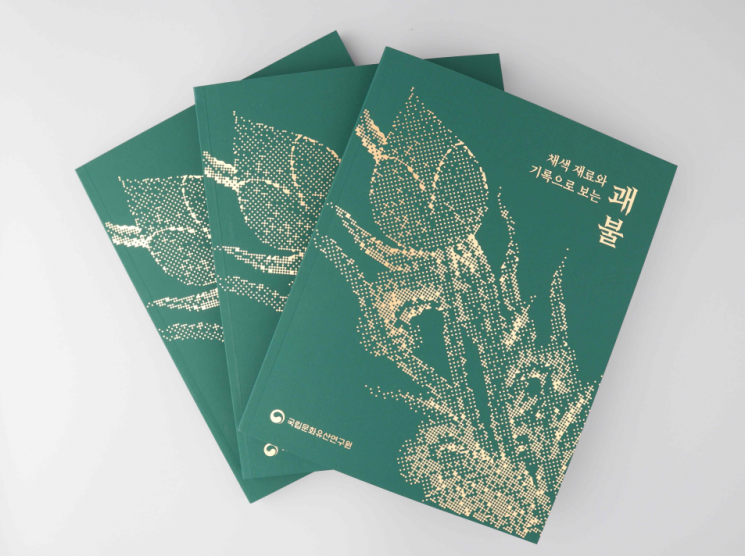
Furthermore, by comparing the records left at the bottom of the Buddhist paintings, known as Hwagi, and old documentary sources such as the "Annals of the Joseon Dynasty" and the "Diary of the Royal Secretariat" with the actual analysis results, the study reconstructs in a multidimensional way the pigment supply environment and production sites of the time. It systematizes previously fragmentary research on Gwaebul from the perspective of materials and provides basic data needed for future conservation and restoration to their original form.
The e-book is available for anyone to freely read on the National Research Institute of Cultural Heritage’s National Heritage Knowledge-Link website.
© The Asia Business Daily(www.asiae.co.kr). All rights reserved.













