Ahead of the April Enforcement of the "Synthetic Biology Promotion Act,"
Government Prepares Top-Level, Cross-Ministerial Master Plan
Mid- to Long-Term Strategy to Be Developed Around Five Pillars:
Technology, Industry, Talent, Regulation, and International Cooperation
The government has begun formulating its first legally mandated master plan to foster synthetic biology as a national strategic technology. This master plan, which is the highest-level, cross-ministerial mid- to long-term plan under the “Synthetic Biology Promotion Act” set to take effect on April 23, 2026, is designed to accelerate the innovation strategy for bio-manufacturing through integration with digital technology.
On February 27, the Ministry of Science and ICT announced that it had held a kick-off meeting to launch the “1st Synthetic Biology Promotion Master Plan.” As the first legally mandated comprehensive plan for the field of synthetic biology, the master plan is expected to serve as a blueprint outlining the government’s vision and policy direction.
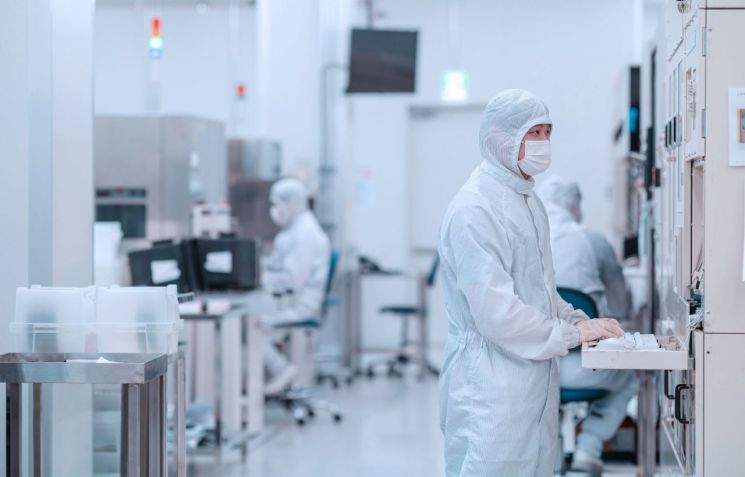
Synthetic biology is a technology that designs and reconstructs the genes, cells, and biological systems of living organisms. When combined with artificial intelligence (AI) and big data, it becomes a next-generation core technology that can be applied across various industries such as biopharmaceuticals, eco-friendly materials, and the food and energy sectors. Major countries worldwide are also making concentrated investments in synthetic biology as a national strategy.
The government plans to proactively promote the establishment of this master plan before the law comes into effect, in order to minimize any policy gap and to prepare a consistent, government-wide strategy for fostering the field. To this end, detailed strategies will be developed around five main working groups: technology, industry and applications, talent and infrastructure, systems and regulations, and international cooperation.
To draw up the master plan, the Ministry of Science and ICT has launched a steering committee comprising experts from industry, academia, and research institutions. The committee is chaired by Professor Dongmyung Kim of Chungnam National University, who is also the 32nd president of the Korean Society for Biotechnology and Bioengineering. Other members include Ilkwon Kim, CEO of AT SAMIL BIO Co., Ltd., and Haseong Kim, head of the National Biofoundry Project Group, along with other specialists in industry, research, and infrastructure.
During the meeting, the direction of the master plan and global trends were shared. Subsequent discussions within each working group focused on securing technological competitiveness, promoting industrialization, and establishing safety management systems.
Oh Daehyun, Director General for Future Strategic Technology Policy at the Ministry of Science and ICT, stated, "The core of synthetic biology policy is to spur technological innovation while thoroughly establishing a foundation for safety management," adding, "We will cooperate with relevant ministries and stakeholders from industry, academia, and research to develop a master plan that works in practice."
© The Asia Business Daily(www.asiae.co.kr). All rights reserved.












