Mostly Insiders Such as Executives and Largest Shareholders
B, the largest shareholder and CEO of Company A, avoided losses by using non-public information. After learning that Company A would receive a disclaimer of opinion from its auditor due to deteriorating liquidity, B sold all shares held under his own name and borrowed-name accounts before this information was disclosed.
D, the CEO of Company C, committed unfair trading through a sham capital increase. After embezzling funds, he supported capital increase participants with the embezzled money in a third-party allotment paid-in capital increase. By doing so, he deceived investors into believing that the company had strengthened its capital base. This occurred as Company C was designated as an issue-under-management company after posting operating losses for five consecutive years.
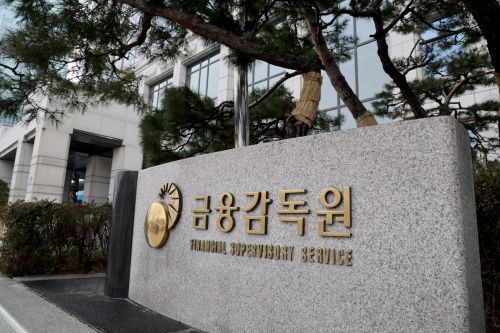
On the 27th, the Financial Supervisory Service announced that it had detected and taken action on 24 such unfair trading cases over the past three years.
By year, there were 6 cases in 2023, 9 cases in 2024, and 9 cases last year. Most of these cases, 19 in total, occurred in the first quarter of each year, while the remaining 5 cases occurred in the third quarter, when semiannual reviews are conducted, overlapping with audit periods. Because most domestic listed companies (97.9%) close their books in December, attempts at unfair trading that exploit year-end financial information tend to be concentrated at the beginning of each year.
By type of unfair trading, cases involving the use of non-public information were the most common, with 16 cases (67%). These cases involved the use of negative information such as adverse audit opinions and deteriorating business performance. There were 6 cases (25%) of unfair trading aimed at preventing delisting or forced selling of pledged shares, and 2 cases (8%) of market manipulation.
Most of the suspects were insiders. Of the 68 suspects in total, 57 were insiders at the relevant companies: 35 executives, 18 largest shareholders, and 4 employees. The remaining 11 were also found to have close relationships with company insiders.
An analysis by the Financial Supervisory Service of 19 companies where year-end settlement-related unfair trading occurred in the first quarter of each year showed that they were either in poor financial condition due to deteriorating business performance or had unstable control, such as changes in the largest shareholder or management. Of the 19 companies, 16 were listed on KOSDAQ, and most of these had capital of 20 billion won or less, meaning they were small in terms of capital size.
To prevent unfair trading, the Financial Supervisory Service plans to provide training on violation cases for officers and employees of listed companies. It will also closely monitor stocks with a high likelihood of unfair trading, and in the event of suspected violations, it plans to identify those involved and take stern action.
An official from the Financial Supervisory Service said, "If you trade shares using year-end settlement information learned in advance before it is made public, you may face criminal punishment for using non-public information," adding, "Executives or major shareholders of listed companies must disclose their trading plans at least 30 days before the scheduled trading date when trading shares or other securities above a certain threshold, and in case of violation, they may be subject to an administrative fine of up to 2 billion won."
© The Asia Business Daily(www.asiae.co.kr). All rights reserved.












