Full-scale launch of a stay-type sports economy experiment
combining training camps, international events, and the Provincial Sports Festival
Yecheon County in North Gyeongsang Province is accelerating its transformation into a sports-centered city by simultaneously achieving two goals through aggressive sports marketing and systematic development of sports infrastructure: revitalizing the local economy and enhancing the value of its city brand.
As the hosting of nationwide sports events, the attraction of off-season training camps, and the strengthening of international competitiveness of workplace sports teams all come together, sports are emerging as a core industry driving regional growth. With the steady expansion of a stay-type daily population and the resulting inflow of consumption, sports are being evaluated as a practical source of vitality for the local economy.
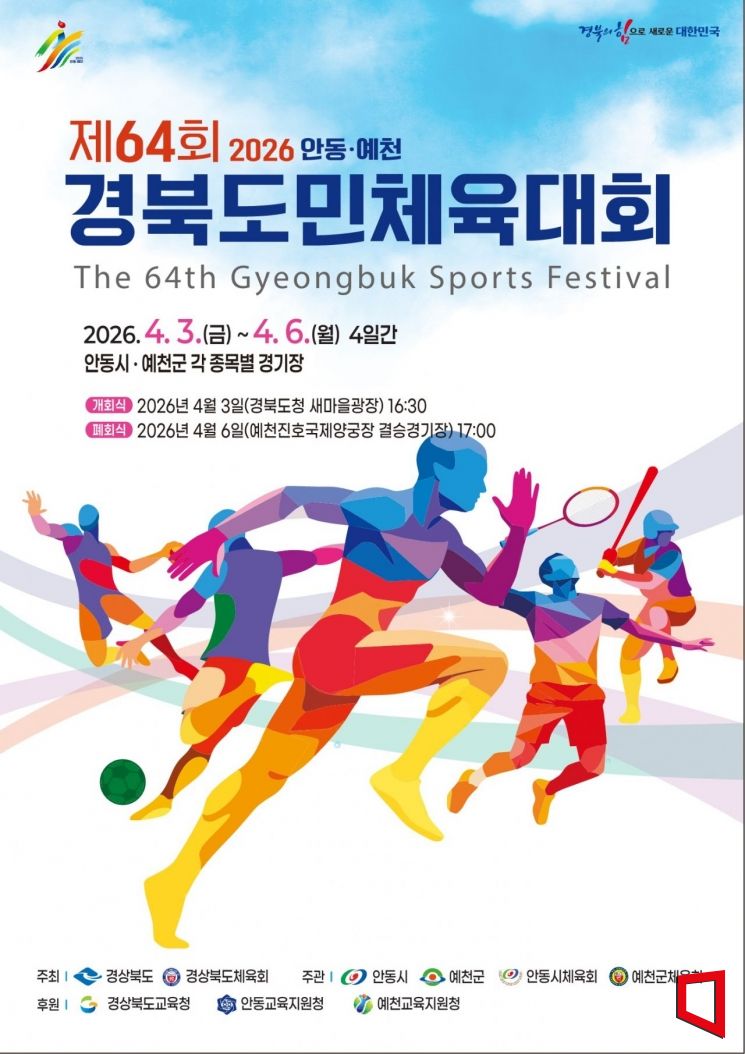
In particular, the 64th Gyeongbuk Provincial Sports Festival, which Yecheon jointly attracted with Andong City, is cited as a case in which a county-level local government overcame its limitations through cooperation, and as a symbolic achievement that externally proves the sports-city capabilities Yecheon has accumulated.
◆ A string of national-level events... Sports driving urban competitiveness
Last year, Yecheon County hosted more than 40 events, including the National Men’s and Women’s Archery Championships by Division, the KBS Cup National Athletics Championships combined with the Korea Open International Athletics Competition, a recreational volleyball tournament, a youth football tournament, and the Jeosuryeong Gran Fondo, thereby building a sports ecosystem where elite sports and recreational sports coexist.
Hosting these events led to increased spending on accommodation, dining, and tourism by athletes, officials, and spectators, generating a direct ripple effect on the local economy.
This year, as the Korea Open International Athletics Competition has been upgraded to an international ranking-point event, world-class athletes are scheduled to visit, and Yecheon’s status as an international sports city is expected to be further strengthened.
◆ Concentrated track and archery infrastructure... Emerging as a hub for training camps
The reason Yecheon is drawing attention as a training-camp destination lies in its concentrated, specialized sports facilities. Year-round facilities such as an indoor athletics training center, a stadium, and training grounds with slopes and sand tracks are regarded as key elements that enhance athletes’ training efficiency.
The opening of the Korea Association of Athletics Federations’ Athletics Education and Training Center is expected to play a pivotal role in the development of domestic athletics by adding functions for athlete development as well as training for coaches and referees.
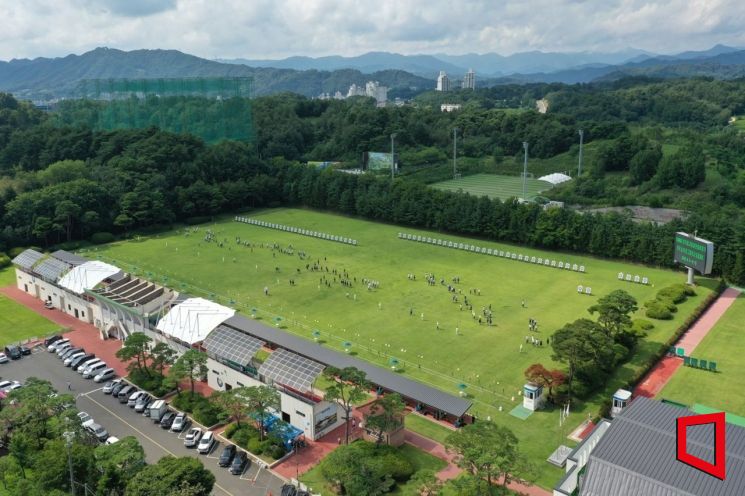
Jinho International Archery Stadium has strengthened its capacity to host international competitions through facility upgrades, and its experience in holding national team selection trials and international tournaments is translating into expanded attraction of training camps. More than 35,000 archers visit annually, and when track and field athletes are included, the total number of visitors exceeds 150,000, serving as an important foundation for expanding local consumption.
◆ Workplace sports team achievements... Raising city brand value
The county government archery team has continued to produce world-class athletes and has established itself as one of the top teams in Korea, while the athletics team is also raising Yecheon’s profile on the global stage through medal wins at international competitions.
These achievements are being accumulated as intangible assets that both instill pride in local residents and reinforce the image of Yecheon as a sports city. Analysts say a virtuous cycle is taking shape, in which the success of elite sports leads to increased participation in recreational sports and improvements in the city’s image.
Expansion of recreational sports infrastructure... Realizing a sports city residents can feel Yecheon County is also accelerating improvements to the recreational sports environment. Scheduled for completion in 2028, the Yecheon Archery Training Center will be developed as the nation’s first integrated archery training complex, equipped with an indoor training facility and a dedicated compound archery facility.
At the same time, the expansion of Hancheon Park Golf Course, the refurbishment of gateball courts in towns and townships, the construction of small gyms in the new town area, and the creation of football fields are broadening the foundation for sports participation across different age groups. The improvement of aging sports facilities underway as part of preparations for the provincial sports festival is also driving a qualitative leap in the region’s sports infrastructure.
◆ Joint hosting of the Provincial Sports Festival... Presenting a cooperative sports-city model
The 64th Gyeongbuk Provincial Sports Festival, to be jointly held in April in Andong and Yecheon, is the largest sports event in the province, featuring 30 events across 22 cities and counties and participation by more than 30,000 people.
Yecheon County has formed a dedicated task force team to systematically prepare facility maintenance and organizational operations, and the influx of athletes and visitors during the competition period is expected to lead to increased local consumption and greater urban vitality.
An official from Yecheon County said, "While the competition eventually ends, the records and experiences left by the athletes will be accumulated as assets for the region’s sports competitiveness," adding, "We will focus our capabilities on creating a sports city that athletes want to revisit and that residents can truly feel."
Yecheon’s sports strategy is particularly meaningful in that it goes beyond one-off events to build a stay-type sports economy. When professional training infrastructure, a base for recreational sports, and elite-level achievements are combined, sports function as an industry that determines a city’s competitiveness.
The expansion of the daily population and the inflow of consumption that will be generated through the provincial sports festival present a realistic growth model that small and mid-sized regional cities can choose. As sports act as a driving force that simultaneously transforms the city’s structure and its economic system, Yecheon’s experiment is presenting a new direction for regional sports policy.
© The Asia Business Daily(www.asiae.co.kr). All rights reserved.













