Eli Lilly's Zepbound-Taltz Combination Trial
Achieves Both Skin Clearance and Weight Loss
Combination therapy with glucagon-like peptide-1 (GLP-1) class anti-obesity drugs has been found to be effective in improving skin symptoms in patients with psoriasis.
On the 18th (local time), global pharmaceutical company Eli Lilly announced in a press release the results of its Phase 3b open-label clinical trial (TOGETHER-PsO), which targeted adults with moderate to severe plaque psoriasis who were obese or overweight (with at least one weight-related comorbidity).
 Combination therapy with glucagon-like peptide-1 (GLP-1) class anti-obesity medications was found to be effective in improving skin symptoms in patients with psoriasis. Getty Images
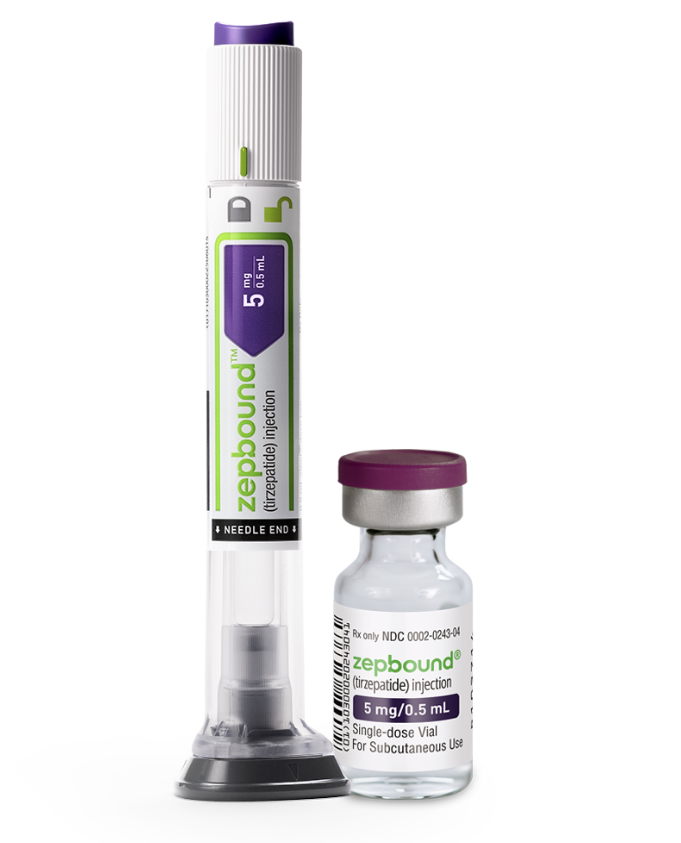
In this clinical trial, the company compared a group receiving combination therapy with its autoimmune disease treatment Taltz (ingredient name: ixekizumab) and its anti-obesity drug Zepbound (ingredient name: tirzepatide) against a group receiving Taltz monotherapy. Zepbound is an anti-obesity drug containing tirzepatide, the same active ingredient as the diabetes treatment Mounjaro.
After 36 weeks of treatment, patients who received the combination of Taltz and Zepbound met the target for both skin improvement and weight loss. In the combination group, 27.1% of patients achieved both PASI 100 (complete skin clearance, a psoriasis severity index) and at least 10% weight loss at the same time. This was significantly higher than in the Taltz monotherapy group (5.8%).
The combination therapy also showed superior results in the key secondary endpoints. The proportion of patients achieving PASI 100 was 40.6% in the combination group, which was about 40% higher than in the monotherapy group (29.0%).
The company noted that about 61% of psoriasis patients in the United States are obese or overweight and have at least one weight-related comorbidity, and emphasized the need for a treatment approach that manages the overall disease burden simultaneously.
This study included patients with severe obesity, with an average body mass index (BMI) of at least 39 kg/m². This is about 9 to 10 kg/m² higher on average than the BMI of patient groups who participated in previous Phase 3 clinical trials of biologics for psoriasis. In multiple studies, higher BMI has been reported as a factor that reduces the likelihood of achieving complete skin clearance.

Most participating patients had extensive skin lesions, and on average, psoriasis lesions covered about one-quarter of the entire body surface area. In 97% of patients, lesions were present in areas that have a major impact on quality of life, such as the face, scalp, and genitals.
Adrienne Brown, President of Lilly Immunology, said, "Psoriasis and obesity are chronic inflammatory diseases that affect every aspect of patients' lives," adding, "The PASI 100 results observed when treating both conditions simultaneously go beyond clinical significance and demonstrate therapeutic potential."
Adverse events were generally mild to moderate and fell within the range of previously known side effects. In the combination group, adverse events that occurred in more than 5% of patients included nausea, diarrhea, constipation, injection-site reactions, medication errors, vomiting, and dizziness. In the monotherapy group, injection-site reactions, medication errors, and nasopharyngitis were reported.
Mark Lebwohl, Professor of Dermatology at the Icahn School of Medicine at Mount Sinai and principal investigator of this clinical trial, said, "Psoriasis and obesity share common inflammatory pathways, but in actual practice they have been treated separately," and added, "It is particularly meaningful that PASI 100 results were confirmed in patients with high BMI who are difficult to treat."
Zepbound is an anti-obesity drug based on a dual GIP (glucose-dependent insulinotropic polypeptide) and GLP-1 receptor agonist that has been approved by the U.S. Food and Drug Administration (FDA).
The company stated that it plans to publish the results of this clinical trial in a scientific journal and discuss them with regulatory authorities.
© The Asia Business Daily(www.asiae.co.kr). All rights reserved.



















