Test Power Generation at Unit 6
of the "World's Largest" Kashiwazaki Plant
Tokyo Electric Power Company (TEPCO), the operator of the Fukushima Daiichi Nuclear Power Plant where an accident occurred during the 2011 Great East Japan Earthquake, on February 16 began test power generation and transmission for Unit 6 of the Kashiwazaki-Kariwa Nuclear Power Plant in Niigata Prefecture in central Honshu, marking the first such operation in 14 years.
According to Kyodo News and NHK, TEPCO in the early hours of the day used steam generated in the reactor of Kashiwazaki Unit 6 to drive a turbine and connected the electricity produced to the power transmission facilities, thereby starting test power generation and transmission. It is the first time in 14 years that TEPCO has generated and transmitted electricity from a nuclear power plant since just before Kashiwazaki Unit 6 underwent a regular inspection in March 2012.
TEPCO plans to raise the power output of Unit 6 to about 50%, supply the electricity produced mainly to the Tokyo metropolitan area, then disconnect it from the grid for about one week at the end of this month to check for any equipment abnormalities, and, after going through these procedures, begin commercial operation from March 18.
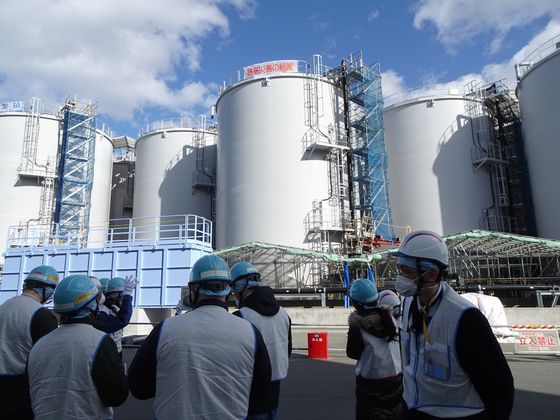
The Kashiwazaki-Kariwa plant consists of seven reactors and, with a total output of 8,212,000 kW, is the largest single nuclear power plant in the world. The total site area is about 47,000 square meters, equivalent to 90 Tokyo Domes. Only Unit 6 is being restarted this time.
TEPCO restarted Unit 6 on January 21, but when an alarm sounded during the process of withdrawing control rods that suppress the nuclear fission reaction, it shut down the reactor about 29 hours later, identified the cause of the problem, and then resumed the restart process on February 9.
© The Asia Business Daily(www.asiae.co.kr). All rights reserved.

















