Connecting Airport and Bio-Industry Trends with Resident-Centered Governance
A Bold Push for Everyday-Life Innovation Linking Agriculture, Welfare, Local Commerce, and Youth Jobs
Former Gyeongsangbuk-do Provincial Council member Choi Taerim has officially joined the local election race. His direction is clear: he is declaring that he will prioritize changing the warmth of everyday life before presenting any grand blueprint.
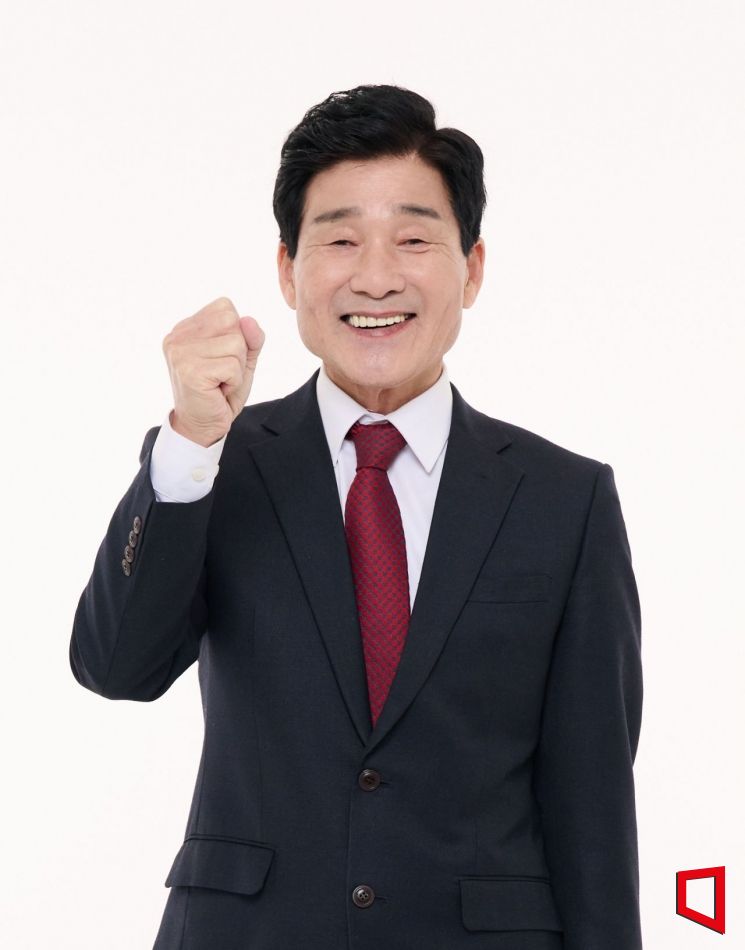 Choi Taerim, former provincial assembly member, runs for Uiseong County mayor - Changing Uiseong's timetable: "Depth of life over the scale of development" Reporter Kwon Byeonggeon
By formalizing his candidacy, former Assemblyman Choi stated that he would make changes that residents can actually feel the top priority standard of county administration. While he said he respects the significance of the large-scale development projects carried out so far, he pointed out that it is now time to soberly examine whether those policy outcomes have truly led to improvements in daily life.
He particularly stressed that, within the development strategies linked to the integrated Daegu-Gyeongbuk New Airport and the broader trend of fostering the bio industry, the rights of residents and compensation systems must function in a more practical and substantial manner. His argument is that if the region is required to bear certain burdens, there must also be clear and commensurate benefits.
In the agricultural sector, he pledged to move away from showy, high-tech modernization and instead pursue a structural shift that actually increases income. He plans to expand support for equipment that elderly farming households can use and to enhance management stability by easing the burden of production costs. He also presented a plan for local government to become a responsible safety net against risks caused by natural disasters.
His welfare policies also put field responsiveness first. He said he would establish an always-on care system that incorporates information and communications technology so that families can feel at ease even when they live far apart, and that he would strengthen mobile medical services in areas with poor access to healthcare.
As a solution to revive the sluggish local economy, he proposed improving the environment of agro-industrial complexes and expanding financial support for small business owners. He explained that he aims to create workplaces where young workers can stay and to reduce the financial burden on self-employed business owners, thereby breathing new vitality into local commercial districts.
Regarding the cultivation of new industries, he made it clear that he would go beyond a research-centered approach and connect it directly to increases in local employment and farm household income. He believes that truly sustainable growth is only possible when corporate activities are directly linked to residents' lives.
His tourism strategy focuses on a stay-type model. Centering on Uiseong Pet World, he said he would link cultural and traditional resources to extend visitors' spending time in the area and build a structure that provides tangible benefits to the local economy.
He also pledged changes in the way the administration is run. He plans to establish a system that seeks solutions directly on site through regular visits to towns and townships. This signifies a shift from document-centered administration to resident-centered administration.
Political observers believe that this bid will further sharpen the choice between stable succession and life-oriented innovation. They analyze that voters' criteria for judgment are highly likely to shift from abstract visions to changes they can feel in their daily lives.
Former Assemblyman Choi said, "From now on, county administration should be evaluated not by numbers but by people," adding, "I will respond with results that residents can nod to in their everyday lives."
This declaration is closer to a signal asking "who stands closer to the residents" than to a contest of grand visions. It suggests the election may be decided not by the height of development discourse but by the density of satisfaction in everyday life.
He also promised changes in the way the administration operates. He envisions institutionalizing a permanent structure in which answers are found directly in the field through regular tours of towns and townships.
Both inside and outside political circles, attention is focused on how closely this strategy, which puts perceived quality of life at the forefront, will align with public sentiment. The criteria for choices surrounding regional development have once again been put to the test.
© The Asia Business Daily(www.asiae.co.kr). All rights reserved.

















