Ramen With Kimchi Contains 2,135 mg of Sodium...Exceeds WHO Guideline
"You Should Reduce Broth Intake and Eat It With Vegetables"
When ramen is eaten with kimchi, sodium intake exceeds the daily limit recommended by the World Health Organization (WHO). In particular, convenience store meals centered on ramen broth and processed foods are highly likely to lead to excessive sodium intake, prompting experts to stress the need for caution in how such foods are consumed, for example by leaving the broth.
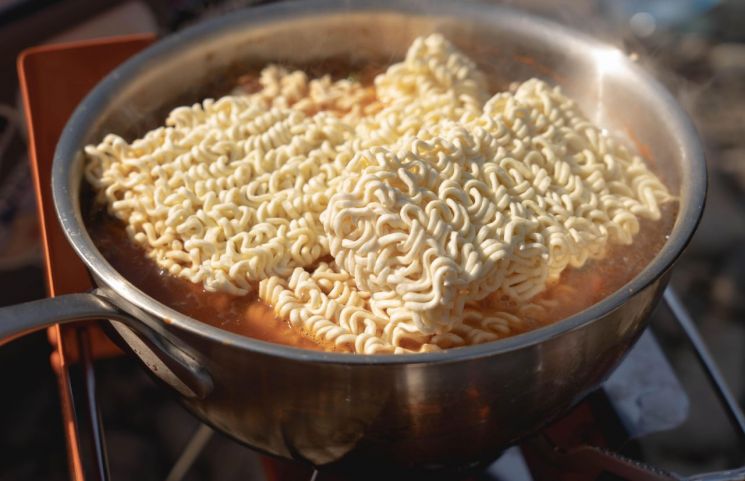
According to the Korea Food Safety Information Service under the Ministry of Food and Drug Safety on the 10th, sodium intake amounts to 2,135 mg when ramen is eaten together with kimchi. This exceeds the WHO's recommended daily sodium intake for adults, which is 2,000 mg.
By contrast, when kimchi was eaten with knife-cut noodles (kalguksu), sodium intake was 1,282.2 mg, and when eaten with curry it was 1,343 mg, which is about 800 mg lower than the ramen combination.
Because ramen broth itself contains a large amount of sodium, eating it with kimchi can easily push sodium intake above the daily recommended level. When eating ramen, it is advisable to leave the broth or choose menu options that are relatively lower in sodium.
The medical community points out that a habit of eating salty foods is not just a matter of taste, but a risk factor for various chronic diseases. Excessive sodium intake can cause high blood pressure and, over the long term, increase the risk of cerebrovascular disease, heart disease, and chronic kidney disease.
In particular, convenience store meals are often composed mainly of ramen, instant rice, and processed foods, making it easy to consume too much sodium. When salty side dishes such as kimchi, ham, and sausage are eaten together, the risk of excessive sodium intake becomes even greater.
Eating salty foods over a long period can damage the gastric mucosa, leading to atrophic gastritis, and acts as a factor that increases the risk of stomach cancer. In fact, a study in Japan that tracked about 40,000 people over 11 years found that people with high sodium intake had roughly twice the incidence of stomach cancer compared with those who did not.
Sodium also raises blood pressure, increasing the risk of cardio-cerebrovascular diseases such as stroke and myocardial infarction, and it raises the risk of osteoporosis by increasing calcium excretion in the urine. It is also pointed out that the burden placed on the kidneys can heighten the risk of developing urinary stones.
A medical professional said, "The more you get used to salty foods, the duller your sense of taste becomes, and the more you seek out stronger salty flavors, creating a vicious cycle," adding, "Whenever possible, reducing broth consumption and choosing side dishes of vegetables and menu items that are relatively lower in sodium will help with health management."
© The Asia Business Daily(www.asiae.co.kr). All rights reserved.












