Cosplay and Merchandise for Japanese Anime Banned in China
China Expands Pressure from Travel and Study in Japan to Cultural Content
After Japanese Prime Minister Takaichi Sanae hinted at the possibility of intervention in the event of a Taiwan contingency, tensions between China and Japan have continued, and regulations are spreading in China, including bans on the sale of merchandise related to popular Japanese animation. Although these measures are restrictions imposed at private events rather than an official government ban, some analysts say they could have significant repercussions as they intersect with political and diplomatic conflicts between China and Japan.
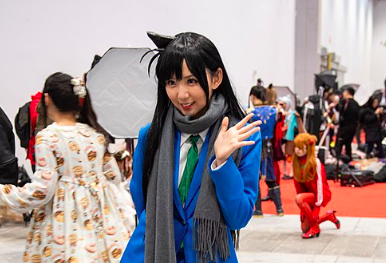
According to the Chinese state-run English-language outlet Global Times on February 9, several recent comic conventions (comic content expos) in China have introduced measures banning cosplay and the sale of merchandise related to Detective Conan and My Hero Academia.
Controversy Over References to Unit 731 Reignites
At the center of the controversy is the Japanese manga My Hero Academia. Critics have previously argued that the name of an evil doctor in the story who conducts human experiments, Shiga Maruta, is similar to the term that was used to refer to the victims of live human experimentation by the former Japanese Army Unit 731.
Maruta was the term the Japanese military used at the time to refer to human test subjects, and in Chinese society it is regarded as a word that symbolizes historical trauma. On top of this, resentment grew further as suspicions spread that the name Shiga was taken from the Japanese bacteriologist Shiga Kiyoshi.
The controversy flared up again recently when Detective Conan announced a collaboration with this work, and as criticism from Chinese netizens intensified, it is being interpreted that event organizers moved preemptively to impose restrictions.
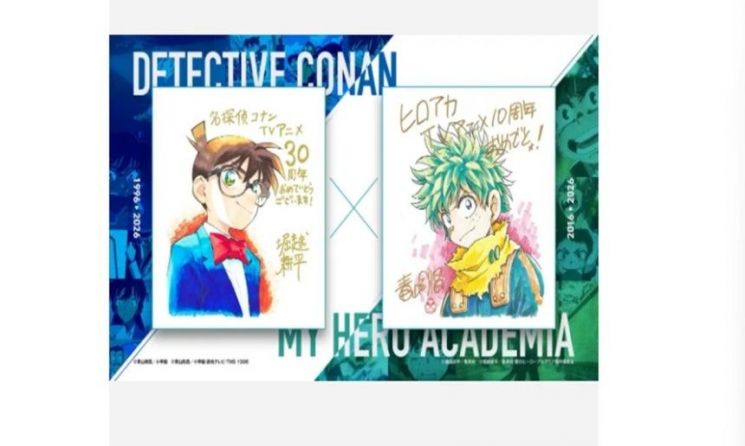 Controversial collaboration between the Japanese anime Detective Conan and the manga My Hero Academia. Screenshot from Global Times
Japanese Anime Faces Widespread Restrictions at Comic Cons
The organizers of Beijing iJoy Comic-Con imposed a total ban on cosplay and the exhibition or sale of merchandise related to the two works. They also issued a notice asking participants to respect history and national dignity and to comply with the rules. Global Times reported that in practice, almost no cosplay related to Detective Conan was seen at the venue.
The SSCA Animation & Game Expo held in Shenyang, Liaoning Province, issued a similar notice, calling on attendees to refrain from wearing outfits related to controversial Japanese animation. The ACC Animation Expo in Xi'an, Shaanxi Province, announced that it would restrict the exhibition and sale of not only Detective Conan and My Hero Academia but also Maid Sama!.
In particular, Maid Sama! has become the target of a boycott in China after allegations emerged that the author had posted content appearing to support Taiwan independence. The organizers stressed that they would take measures such as canceling participation in the event in cases of rule violations.
Cultural Pressure Spreads Amid Diplomatic Conflict
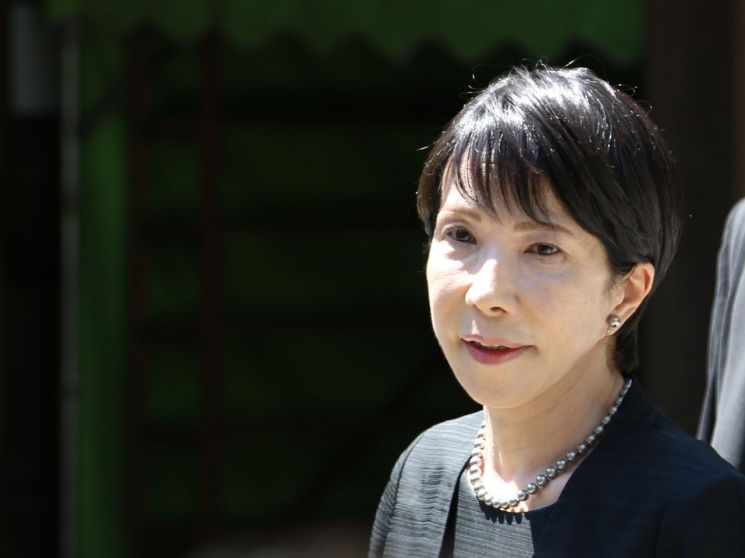
In recent weeks, the Chinese authorities have continued to send de facto warning messages by advising their citizens to refrain from traveling to Japan and guiding students to carefully reconsider studying there. The regulation of cultural content is also being interpreted as a means of exerting pressure by leveraging the size of the Chinese market.
As expectations grow that Japanese politics will continue to shift to the right, observers predict that voices in China will become louder in warning against historical perceptions and militaristic elements embedded in Japanese content. If the conflict between the two countries becomes prolonged, many analysts say there is a high possibility that clashes will continue in the cultural and content sectors as well.
© The Asia Business Daily(www.asiae.co.kr). All rights reserved.



















