Brushing Right After Meals Can Actually Harm Your Teeth
For Oral Health, Take Care of Your Tongue and Use Floss as Well
Brushing your teeth within three minutes after a meal has long been regarded as basic, common-sense oral care. However, experts now warn that this habit can actually damage your teeth. Brushing that does not take the condition of the oral environment into account may not protect the teeth and can instead worsen damage.
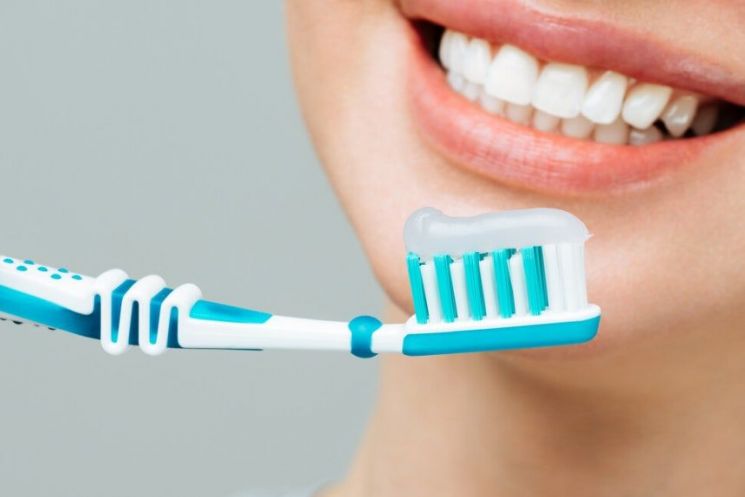
Brushing before breakfast is better in the morning
Kamyar Hoss, an American dentist and orthodontist, recently appeared on the CNN podcast "Chasing Life" and stressed the importance of brushing timing. He said, "In the morning, it is better to brush your teeth before eating rather than after eating."
During sleep, saliva production decreases, making it easier for bacteria and plaque to build up. Brushing right after waking up is effective in removing the bacteria that multiplied overnight and in reducing bad breath. This is especially important for people who sleep with their mouths open, as severe dry mouth increases the need for morning brushing. In addition, ingredients in toothpaste such as fluoride form a protective layer on the tooth surface, which helps protect the teeth from acidic foods and sugars consumed later when you brush before meals.
After meals, wait at least one hour

By contrast, brushing immediately after a meal requires caution. Eating lowers the pH of saliva and turns the inside of the mouth into an acidic environment. Brushing in this state can easily damage minerals on the tooth surface. This so-called "demineralization" process is known as the starting point of cavities. Hoss advised, "After eating, it is best to wait at least one hour before brushing your teeth."
Brushing after meals is not harmful for everyone. However, it can be irritating for people with thin enamel or exposed tooth roots. This is particularly true right after drinking acidic beverages such as coffee or fruit juice, when the enamel is temporarily weakened, so it is safer to wait at least 30 minutes before brushing.
Brushing alone is not enough: tongue and floss care are essential
Hoss emphasized that caring for the tongue and the spaces between teeth is just as important as brushing. The surface of the tongue is an area where bacteria and odor-causing substances easily accumulate, and a toothbrush alone cannot clean it sufficiently. He recommended using a tongue cleaner to remove bacteria and sulfur compounds from the tongue surface.
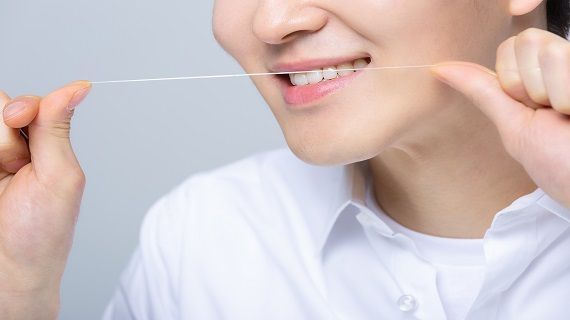
Using dental floss is also essential, because many cavities begin in the areas between teeth where a toothbrush cannot reach. He advised, "Before going to bed, follow the order of 'flossing → brushing → mouthwash,' and if you do not rinse with water afterward, you can maintain the protective effect for a longer time."
Use fluoride in moderation and according to your situation
Fluoride is a proven ingredient for preventing cavities, but more is not always better. Hoss said, "You should decide whether to use it after considering age, tooth condition, and cavity risk." Fluoride offers significant benefits for teenagers and adults at high risk of cavities, but infants, young children, and pregnant women need to be careful about excessive exposure.
As an alternative, n-HA (nano-hydroxyapatite), an ingredient that helps remineralize teeth, has been suggested. This ingredient is known to bind to damaged areas on the tooth surface and help protect the enamel.
© The Asia Business Daily(www.asiae.co.kr). All rights reserved.