Impact of U.S. Tariffs and Subsidy Elimination
Record-Low Annual Exports...Only 4.6% of Total EV Shipments
Last year, South Korea's electric vehicle (EV) exports to the United States fell by nearly 90 percent from a year earlier. This was due to factors such as auto tariffs and the elimination of EV subsidies under the Donald Trump administration in the United States.
According to the Korea Automobile & Mobility Association (KAMA) and others on the 4th, the number of new EVs that South Korea exported to the United States last year was 12,166 units, a sharp drop of 86.8 percent from 92,049 units in the previous year. This is the lowest annual figure since EV exports began in earnest in 2022.
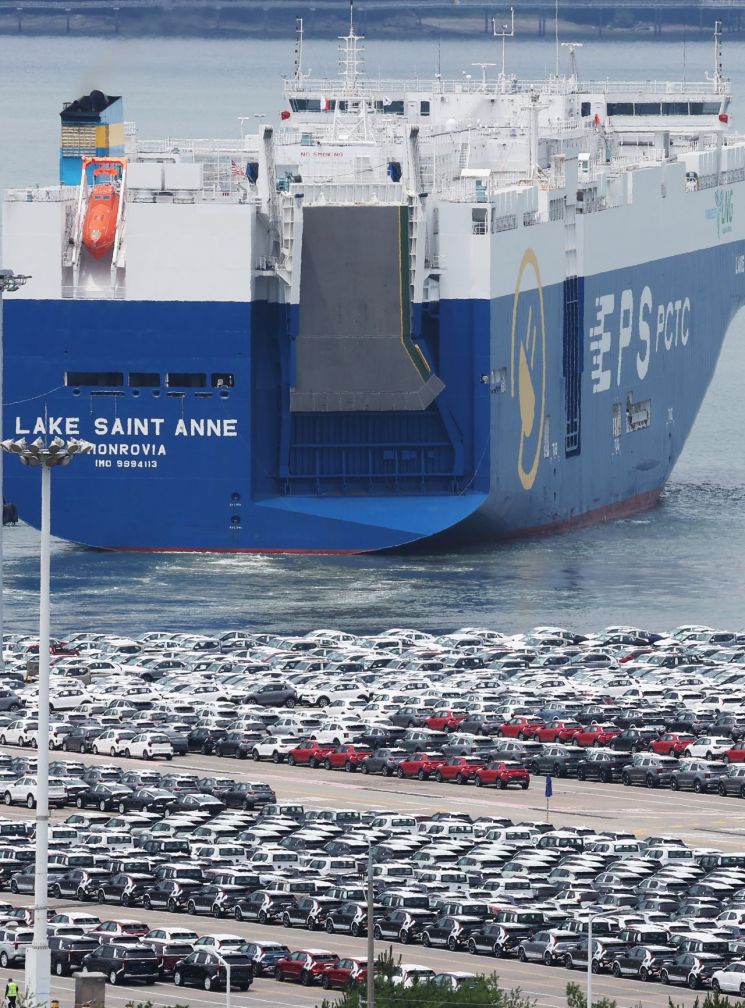
In particular, in November last year, only 13 EVs were exported to the United States, marking the lowest monthly level on record. The number of EVs exported was 68,923 units in 2022, 121,876 units in 2023, and 92,049 units in 2024.
As EV exports to the U.S. plummeted, the share of the U.S.-bound volume in South Korea's total EV exports also fell to 4.6 percent. Compared with 35.0 percent a year earlier, this is about one-eighth the previous level.
Industry observers see two main reasons for the steep decline in exports: EV sales in the U.S. have fallen following the Trump administration's abolition of EV purchase subsidies, and Hyundai Motor (including Genesis) and Kia, which account for most of Korea's EV exports, have increased local production in the U.S. to respond to tariffs.
The Trump administration passed a tax cut law in July last year and abolished a tax credit benefit of 7,500 dollars (about 10.4 million won) for EVs as of September 30 of the same year.
In addition, after a 25 percent tariff was imposed on Korean-made automobiles starting in April last year, Hyundai Motor Group sought to minimize the impact of the tariffs by increasing the supply of EVs produced locally in the United States, including at Hyundai Motor Group Metaplant America (HMGMA).
The sharp decline in EV exports to the U.S. is also expected to affect domestic EV production capacity. The United States is South Korea's largest export market for automobiles.
Hyundai Motor is building a dedicated EV plant in Ulsan that is scheduled for completion this year, while Kia has established its dedicated EV plants, the Evo Plant, at Autoland Gwangmyeong and Autoland Hwaseong.
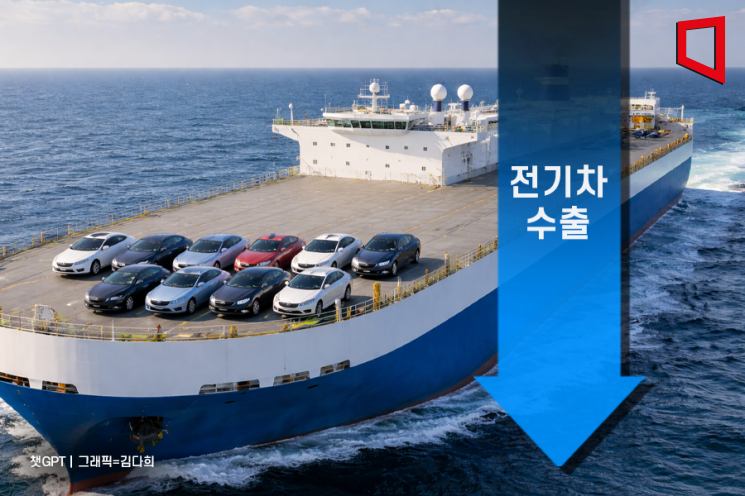
Within the industry, there are growing calls to diversify EV export destinations beyond the United States. In particular, many point out the need for an EV export strategy tailored to the European market.
Last year, EV sales in the European Union (EU), the European Free Trade Association (EFTA), and the United Kingdom rose 29.7 percent year-on-year to 2.585 million units.
© The Asia Business Daily(www.asiae.co.kr). All rights reserved.