Urged to "recall memories of sexual assault" during religious counseling
Linked specific memories to sexual assault experiences to reinforce belief
Church officials accused of false accusation
Investigation found the allegations groundless
Supreme Court: "No misinterpretation of legal principles on false accusation or joint principal offenders"
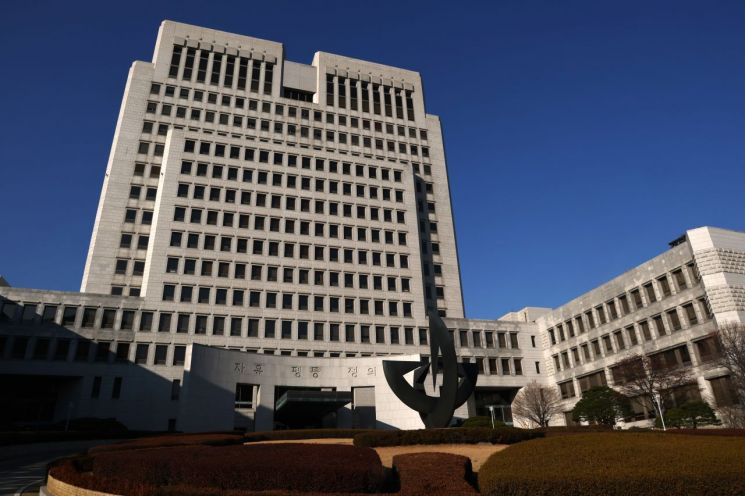
Church officials who were put on trial for allegedly inducing three sisters to file a false criminal complaint claiming they had been sexually assaulted by their biological father were acquitted by the Supreme Court.
According to the legal community on February 4, the Second Division of the Supreme Court (Presiding Justice Eom Sang-pil) upheld the lower court ruling that found an elder, a deacon, and a deaconess of a church not guilty of the charge of false accusation.
The three church officials, while counseling three sisters who were members of their church in 2019, pressured them by saying, "It seems you were sexually assaulted by your real father; try to recall your memories." Whenever the sisters recalled specific memories, the officials linked them to supposed memories from the time of the sexual assault.
The three sisters, having come to believe they had been sexually assaulted, filed a criminal complaint against their biological father on charges of sexual assault, but an investigation revealed that the allegation was entirely groundless. The father suspected that the officials had orchestrated this because they harbored resentment over his longstanding criticism of their church as a heretical group.
According to the written judgment, the defendants habitually emphasized "salvation" to young congregants and demanded repentance, and in this process drew out confessions involving sexual shame or everyday sexual experiences. Prosecutors determined that the defendants had implied these confessions were the result of serious sexual assaults, thereby leading some congregants to mistakenly believe they had been sexually victimized in the past and causing them to sever ties with their families.
In the first trial, the court found them guilty of false accusation and sentenced the elder and the deaconess each to four years in prison, and the deacon to three years in prison. The appellate court, however, reversed this.
The appellate court stated, "It is acknowledged that the three sisters' claim of sexual assault was false and that false memories were formed during the counseling process, but it is difficult to conclude that the defendants conspired and intentionally implanted those memories," and acquitted all of them. Citing the fact that the counseling began with a voluntary confession by one of the sisters, the court found it highly likely that the defendants genuinely believed the abuse had occurred.
The Supreme Court likewise dismissed the prosecutor's appeal, stating, "There is no error in the lower court's judgment in its understanding of the legal principles governing the establishment of the crime of false accusation and joint principal offenders," thereby finalizing the acquittal.
© The Asia Business Daily(www.asiae.co.kr). All rights reserved.