111 Percent and GC Green Cross Also Move to Seongsu
Seongsu Office Transactions Exceed 40 Million Won Per Pyeong
Seongsu-dong in Seongdong-gu, Seoul, which has been gaining attention as an emerging business district, is now establishing itself as a major investment destination in the large-scale premium office market. Transaction prices have reached the 40 million won per pyeong range, surpassing both Gangnam and Yeouido.
According to the "Q4 2025 Seoul Prime Office" report recently published by global real estate services company Savills Korea on January 31, Kyobo AIM Asset Management purchased Factorial Seongsu from IGIS Asset Management in the fourth quarter of last year for approximately 254.8 billion won (40 million won per pyeong). Based on the price per pyeong, this is higher than the Samsung-dong Building in Gangnam (37.79 million won per pyeong) and the Yeouido Finance Tower (27 million won per pyeong), both of which were traded in the same quarter.
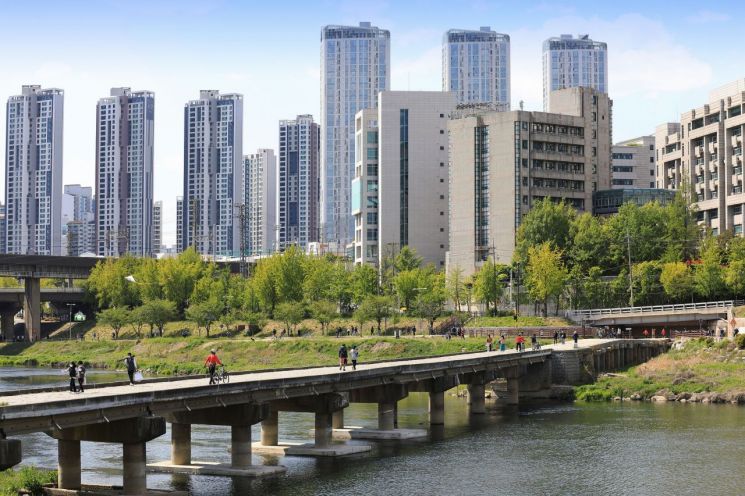
"Goodbye, Gangnam and Yeouido"... Large Corporations Are Moving to Seongsu
Factorial Seongsu is home to prominent tenants such as CJ Olive Young and Hyundai Motor Company. Savills Korea evaluated it as "a prime-grade office representing the Seongsu area, with significant potential for future increases in office and retail rents."
The number of companies relocating from major districts to Seongsu is also increasing. Game developer 111Percent moved from Gangnam Finance Center to Superfast Seoul Forest (formerly Nuddit Seoul Forest), which it purchased in the third quarter of last year. As a result, 3,900 square meters of vacancy emerged in the Gangnam Business District (GBD). GC Green Cross and its affiliates also relocated from Park One Tower 2 in Yeouido to Seoul Forest The Sharp in Seongsu-dong, with the move covering an area of 15,000 square meters.
Seongsu's appeal to companies lies in its accessibility to Gangnam and its unique local identity. Seongsu is just 2 kilometers in a straight line from Gangnam and four subway stops (eight minutes) from Seolleung Station, offering excellent access to major business districts. Additionally, its distinctive commercial atmosphere attracts trend-sensitive fashion, entertainment, and IT companies.
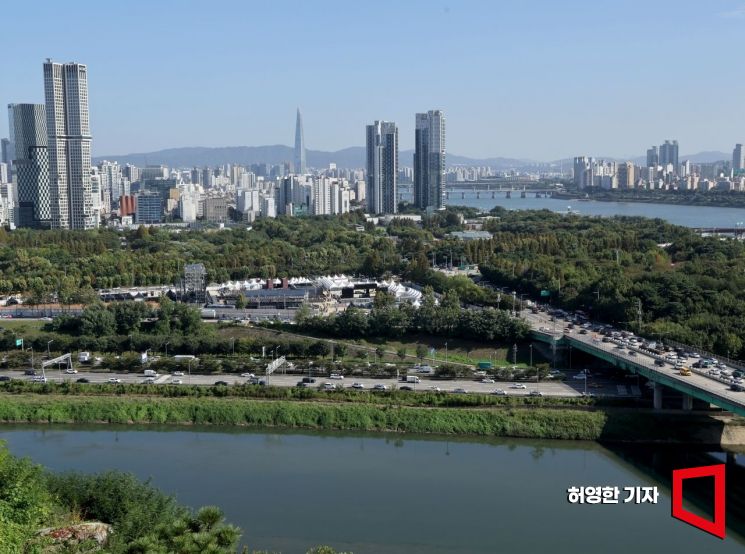
Large-scale development projects are also fueling corporate interest. Seongsu has been designated as an "IT Industry and Distribution Development Promotion District," forming an industrial cluster that attracts IT companies and startups. The former Sampyo Remicon site is set to become the Global Future Business District (GFC), raising expectations for improved infrastructure and expanded commercial zones. Reflecting these expectations, the price per pyeong for land transactions in Seongsu more than tripled from 2018 to 2023.
In the case of fashion platform Musinsa, its Seongsu headquarters building "Musinsa Campus E1," purchased in 2019 for 22 billion won, was sold in 2023 for 111.5 billion won. This represents a fivefold increase in value in just four years. For companies considering purchasing office buildings, Seongsu offers an investment destination with the potential for significant asset appreciation.
The Dark Side of Rapid Growth... Soaring Rents Leave Small Business Owners Sighing
However, not only office rents but also retail rents have surged, raising concerns about gentrification (the displacement of original residents due to rising rents). According to the "2024 Seongsu Office Report" by commercial real estate services company RSquare, the average monthly rent per pyeong in the Seongsu area jumped about 40% in two years, from 211,000 won in 2021 to 290,000 won in 2023.
Although the Seongdong District Office has implemented measures such as enacting an ordinance to prevent gentrification since 2015 and restricting the entry of large franchise businesses, the influx of massive corporate capital has made it difficult to control upward pressure on rents.
Meanwhile, the total volume of office transactions in Seoul last year reached a record high of 21.1 trillion won. This is more than 6 trillion won higher than the previous record of 14.6 trillion won in 2021. Savills Korea diagnosed that "the expansion in transaction volume was driven by companies purchasing buildings for their own use or participating as strategic investors in acquisitions."
© The Asia Business Daily(www.asiae.co.kr). All rights reserved.













