On January 30, Seoul Customs announced that it had imposed travel bans on 20 individuals who had defaulted on large amounts of customs duties.
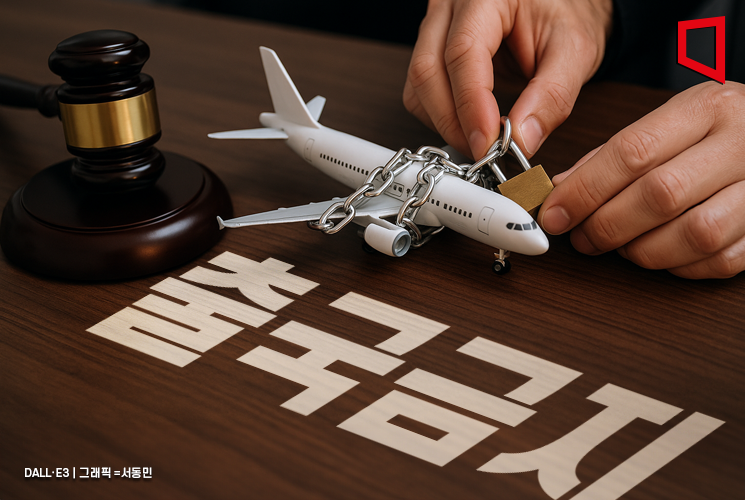
The travel ban applies to those who owe more than 50 million won in unpaid customs duties and either are subject to public disclosure, have entered or exited the country three or more times, or have stayed abroad for more than six months. The travel ban can be maintained for up to six months.
The total amount of unpaid customs duties by these 20 defaulters amounts to 83.3 billion won. The travel ban is intended to encourage voluntary payment of taxes by defaulters who attempt to leave the country for purposes such as overseas travel without settling their tax obligations.
For example, individual A evaded customs duties during the importation of food ingredients and failed to pay the overdue amount despite various seizure measures such as the confiscation of vehicles and wages. However, after the travel ban was imposed, the individual paid 96 million won in overdue taxes.
Similarly, individual B, who operated an electronic cigarette import business, delayed tax payment by closing the business without settling the outstanding taxes. However, after the travel ban was imposed, the individual immediately paid 10 million won and promised to pay the remaining overdue amount in installments of 10 million won per month.
Seoul Customs believes that, as seen in the cases of individuals A and B, imposing travel bans on large-scale and malicious defaulters is effective in improving tax collection.
Accordingly, Seoul Customs plans to strengthen administrative sanctions such as travel bans against defaulters who frequently travel abroad without legitimate reasons or who maliciously evade tax payment by hiding assets.
A Seoul Customs official stated, "We will identify and take strong administrative action, such as travel bans, against malicious and unscrupulous defaulters who enjoy luxury overseas trips without paying their taxes."
© The Asia Business Daily(www.asiae.co.kr). All rights reserved.

















