Opening Baekmado and Removing Yeomha Barbed Wire:
Returning the ‘Lower Han River’ to the Citizens
Shedding the Border City Image,
Transforming into a ‘Dynamic Waterside Space’
"Everyday Life Beyond the Barbed Wire":
Full Opening of the Han River After 50 Years
Paving the Fishermen's Migration Route:
Creating a ‘Safety Road’ to Protect Fishermen's Lives
The map of Gimpo City in Gyeonggi Province is being redrawn. In place of the cold barbed wire fence that blocked citizens' access for half a century, a "waterside trail" will soon flow with daily life and relaxation for residents.
According to Gimpo City on January 29, the city has begun to realize a long-cherished dream of 50 years by reaching a dramatic agreement with the Army's 2291st Unit last October to open Baekmado and remove the barbed wire fence along the Yeomha section. This is the result of Gimpo City's strong determination to shed the heavy label of a "border city" and return the value of the Han River to its citizens.
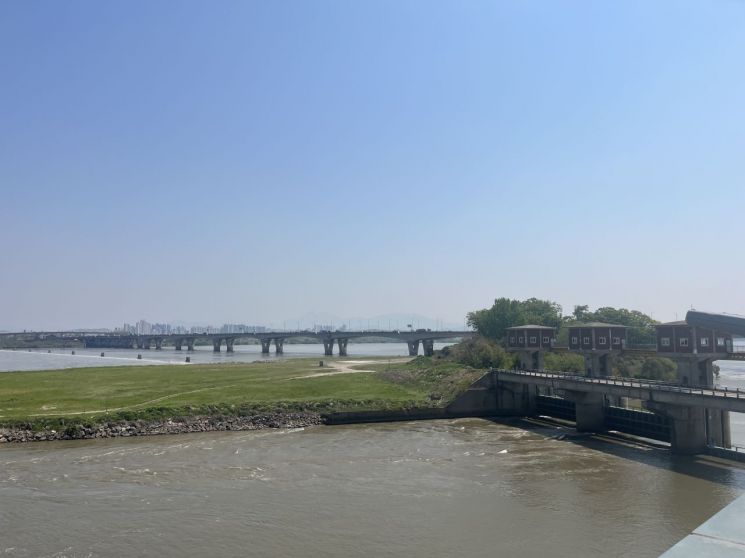
'Baekmado, the Island Close Yet Inaccessible,' Returns as a Sanctuary for Citizens
The most notable change is the return of Baekmado, an island in the lower Han River. Since it was designated a military facility protection zone in 1970, civilian access to Baekmado has been strictly restricted. Despite its geographical advantages, the island has remained neglected, known to citizens as an "island close yet inaccessible."
To return Baekmado to the people, Gimpo City is working closely with the military to promote phased opening. This year, the city will install supplementary military operation facilities and minimum safety measures to unlock the gates that have long been closed. Even before the full-scale park development project begins, the city plans to hold various cultural events and experiential programs so that citizens can immediately enjoy the nature of Baekmado in their daily lives.
Physical connectivity will also be greatly enhanced. By removing 540 meters of barbed wire fencing in the section connecting Baekmado to Gimpo Bridge, the city will link previously disconnected walking and cycling paths blocked by the fence. This goes beyond simple opening; it is significant in that it completes a seamless waterfront network along the Han River.
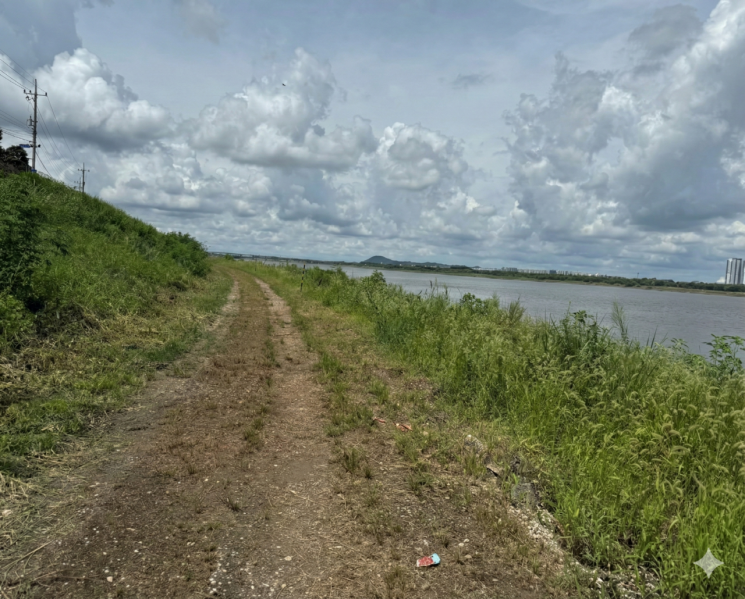
'Hidden Landmine' Threat... Fishermen's Migration Route Paving Project Becomes a 'Safety Road' to Protect Lives
Beyond simple opening, efforts are also underway to protect citizens' "right to survival." The city is promoting a project to pave the 2.5-kilometer fishermen's migration route from Hongdopyeong Gate to Hyangsan Drainage Pump Station.
This section has long served as a main passageway for fishermen who have made their living on the Han River for generations, as well as a military patrol route. However, due to unstable, unpaved ground, there has been a persistent risk of accidents involving lost landmines.
In particular, wooden box mines or so-called "leaf mines" that may drift from the north are almost impossible to detect with the naked eye in the current unpaved areas, as they can be mixed in with soil or vegetation. This poses a serious hidden threat not only to fishermen but also to military personnel defending the country.
Gimpo City plans to pave this route to ensure the safety of both fishermen and soldiers. At the same time, the city is pushing to change the excessively regulated "special conservation zone" along the Han River into a "waterside zone" to secure accessible waterfront spaces that citizens can actually enjoy.
Rationalizing Han River Regulations... Promoting Change to 'Waterside Zone'
With large-scale development projects such as Gimpo Hangang 2 Compact City, Hangang Cinepolis, and Hyangsan 2 District underway along the Han River, Gimpo City is preparing to meet the rapidly increasing demand for waterfront use among citizens. Currently, the Han River section in Gimpo is subject to dual regulations: military barbed wire fencing and designation as a "special conservation zone," making it difficult to create citizen-friendly waterfront facilities.
While much of the Han River's edge is designated as a special conservation zone for ecosystem preservation, in reality, regular mowing for military border operations and landmine removal projects have led to temporary removal of vegetation, making it difficult to fully function as a conservation zone.
The city plans to rationalize regulations to reflect the actual land use situation. In cooperation with the military, Gimpo is proceeding with phased removal of the barbed wire fence and is selecting sections in the river master plan that can be used by citizens to promote their change to "waterside zones." The city is conducting related studies and will actively consult with the Han River Basin Environmental Office to change the zone designation, aiming to secure waterfront spaces that citizens can truly enjoy.
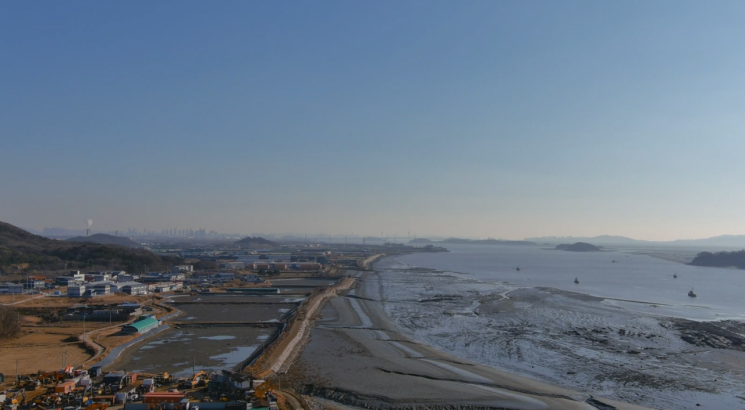
Full Opening of 6.6 km Yeomha Section... A New Artery for West Sea Marine Tourism
The "Yeomha" section between the Gimpo Peninsula and Ganghwa Island is also undergoing dramatic transformation. The city has reached a final agreement with the military to remove all double barbed wire fencing along the 6.6-kilometer section from Choji Bridge to the Incheon city boundary.
Initially, only half of the 3.3-kilometer section was to be dismantled, but the city has achieved the full removal of the entire section. This will complete a vast waterfront promenade stretching from Daemyeong Port in Gimpo to the Gyeongin Ara Waterway and Incheon Port. In place of the bleak barbed wire, aesthetic fences and convenience facilities will be installed, preparing the area to become a new tourist attraction featuring the sunset over the West Sea.
This year, the city will first remove the barbed wire in Section 1 (Choji Bridge to Bangamulgot), and the additional agreed sections are currently under detailed design. Following consultations with relevant agencies, the city will proceed with sequential removal of the barbed wire and installation of convenience facilities.
A Gimpo City official stated, "When the river opens, the face of the city changes. We will transform the long-desolate waterfront into parks where children can play and attractions for tourists, creating new future value unique to Gimpo."
© The Asia Business Daily(www.asiae.co.kr). All rights reserved.