Special Act vs. Ratification: Major Differences Between Parties
Tax Laws, Confirmation Hearings Cause Scheduling Conflicts
Ruling and Opposition Parties Likely to Hold Urgent Talks on Schedule
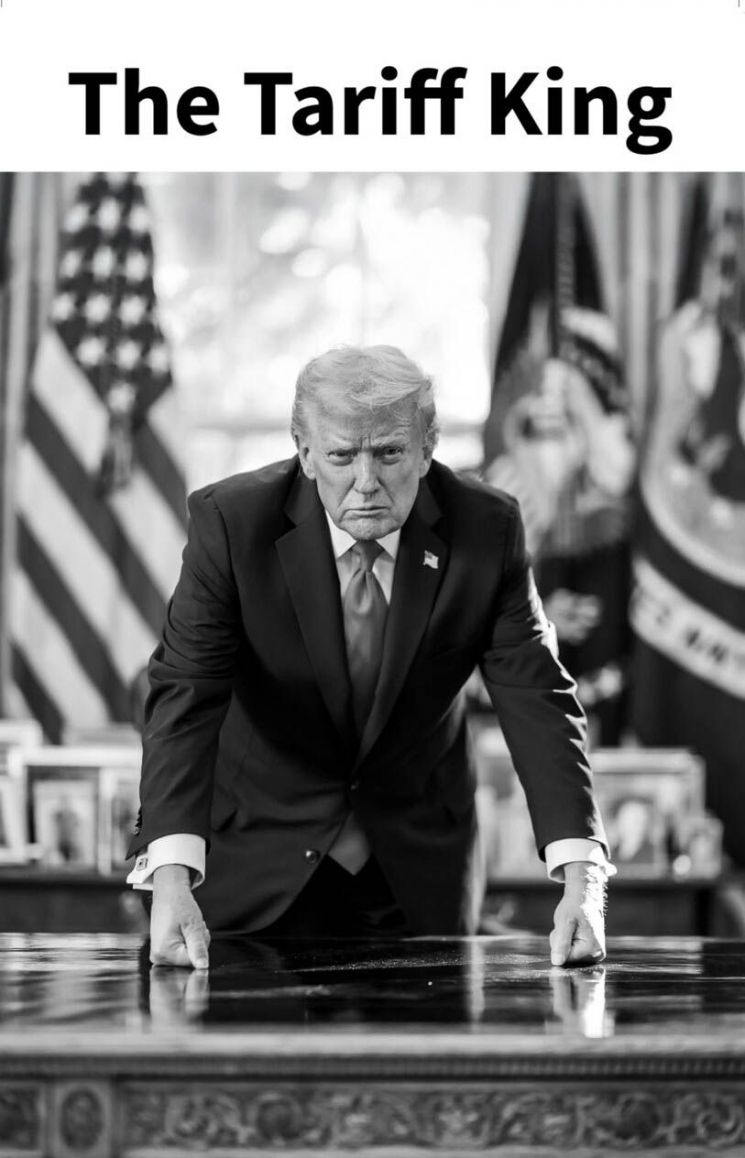
On January 26 (local time), U.S. President Donald Trump announced that he would raise tariffs on South Korean automobiles, lumber, pharmaceuticals, and other goods from the existing 15% to 25%, holding South Korea responsible for delays in follow-up legislation and related measures. There are multiple reasons why the 'follow-up legislation' that President Trump cited as problematic has been delayed.
The leaders of South Korea and the United States reached an agreement on tariffs during a summit on July 30 last year, and then arrived at specific terms on October 29. Afterward, the National Assembly began working on follow-up measures, but the legislation was delayed as it was pushed aside by other major pending issues.
Kim Byungki, then floor leader of the Democratic Party, only introduced the 'Special Act for Strategic U.S.-Korea Investment Management' on November 26 last year, which was designed to support investments in the United States in line with the U.S.-Korea tariff negotiations. The bill was also submitted to ensure that the 'tariff reduction benefits for South Korean automobiles and parts' could be applied retroactively. The two countries agreed that the timing of the U.S. tariff reduction would be linked to the bill’s submission date, prompting a swift introduction. As a result, the bill’s submission enabled the related tariff reduction benefits to be received in November last year.
The special act submitted by Floor Leader Kim includes provisions to establish the U.S.-Korea Strategic Investment Corporation as a temporary organization for 20 years, utilizing foreign exchange reserve profits and issuing government-guaranteed bonds, among other operational measures. Subsequently, four more similar bills were submitted to the National Assembly.
There were significant disagreements between the ruling and opposition parties regarding follow-up measures for the U.S.-Korea tariff negotiations. The opposition insisted that, since fiscal resources would be used, ratification by the National Assembly was necessary. In contrast, the ruling party argued that, since the memorandum of understanding (MOU) was not legally binding, a special act should be enacted instead. Amid confusion over the passage of the national budget, the special prosecutor bill, and related suspicions and resignation of Floor Leader Kim, the special act faded as a political issue.
In reality, the special act, after being referred to the relevant standing committee-the Planning and Finance Committee-did not undergo any further review. As this is a new law, it inevitably requires procedures such as public hearings, which take additional time. A Democratic Party official stated, "Given the situation, can we afford to delay any longer?" and added, "Once the National Assembly is in session, it can be dealt with."
There are also disagreements between the parties regarding the delay in processing the bill. The Democratic Party maintains that there has been no legislative delay. Jung Taeho, the Democratic Party’s secretary on the Planning and Finance Committee, explained, "The bill is proceeding through the normal (legislative) process in the committee," and noted, "In December last year, tax review took priority, and in January this year, confirmation hearings left no time to review the bill." On the other hand, Park Sooyoung, the People Power Party’s secretary on the committee, criticized on social media, saying, "There has been no active effort from the government and ruling party," and argued, "By leisurely aiming for February passage, the government and ruling party have brought the tariff bomb upon themselves." For now, the National Assembly is focused on understanding the context of President Trump’s remarks. A Democratic Party official said, "We need to determine whether he is demanding passage of the special act or seeking ratification."
An official from the National Assembly stated, "National Assembly Speaker Woo Wonshik and the floor leaders of both parties are scheduled to meet regarding the plenary session on the 29th," and added, "The issue of passing the special act is also expected to be discussed at that meeting."
© The Asia Business Daily(www.asiae.co.kr). All rights reserved.

















