Improvements in Biomarkers Observed with Pork Consumption
Researchers: "Effects Comparable to Legumes"
Despite the widespread perception that pork is unhealthy, a study has found that including an appropriate amount of low-fat pork in the diet may help improve aging-related indicators.
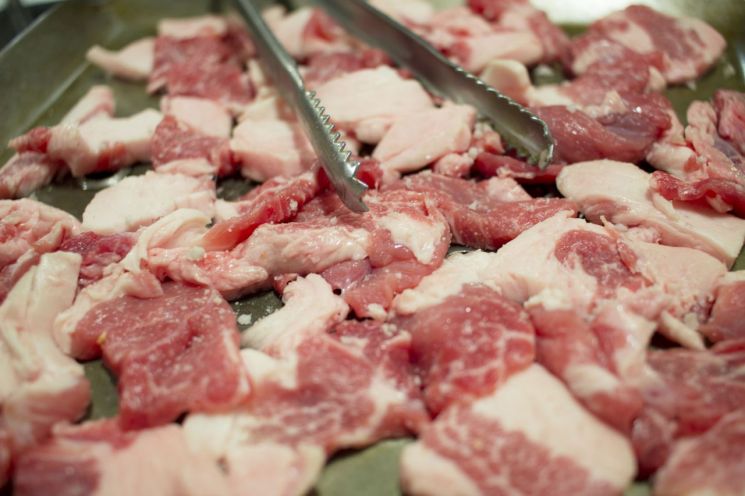
On January 24 (local time), the Daily Mail reported that a team of American researchers compared a plant-based diet that included minimally processed red meat with a legume-based protein diet, and found that both groups experienced health benefits.
A research team from South Dakota State University in the United States conducted a dietary comparison experiment involving 36 adults aged 65 or older living in the Midwest. Participants were randomly assigned to one of two groups: one group followed a diet using minimally processed low-fat pork as the primary protein source, while the other group consumed a diet centered on legumes such as chickpeas, lentils, peas, and black beans. Both groups followed their respective diets for eight weeks.
 A study has found that including an appropriate amount of low-fat pork in the diet may help improve aging-related indicators.
Both diets were structured around plant-based foods such as vegetables, fruits, and grains, in accordance with the U.S. Department of Agriculture (USDA) dietary guidelines. The diets were designed to achieve a weekly intake of about 102 servings of plant-based foods, and also included set amounts of eggs, dairy products, and plant oils. The pork group consumed 162 grams of lean pork per day, which was cooked in a rotisserie oven using only olive oil and salt to minimize unnecessary fat.
The legume diet group consumed a variety of legumes to match the protein intake of the pork group. During the experiment, alcohol, beef, poultry, seafood, soy products, and artificial sweeteners were restricted.
The researchers monitored changes in key health indicators such as cholesterol, blood sugar, and ferritin (a marker of iron storage in the body) through blood tests before and after the experiment. As a result, both groups showed improved insulin sensitivity. The research team explained that this outcome supports the existing hypothesis that a high-protein diet can help improve insulin resistance.
Additionally, both groups experienced weight loss, but the pork group tended to maintain muscle mass more effectively. The researchers analyzed that consuming low-fat red meat may help slow the loss of muscle during the aging process.
Cholesterol levels decreased in both diet groups, signaling a reduced risk of cardiovascular disease. Notably, the pork diet group showed a relatively smaller decrease in HDL (high-density lipoprotein) cholesterol, suggesting a potential positive effect on maintaining 'good cholesterol.'
Regarding these findings, the research team stated, "This suggests that the perception that red meat is unconditionally bad for older adults should be reconsidered." However, they also noted limitations such as the short duration of the study and the small number of participants, and added that further research is needed to confirm whether the effects are sustained over the long term.
© The Asia Business Daily(www.asiae.co.kr). All rights reserved.


















