Korea Energy Economics Institute Forecast
Coal Demand to Decrease by 5.8%, Nuclear Power to Increase by 5.1%
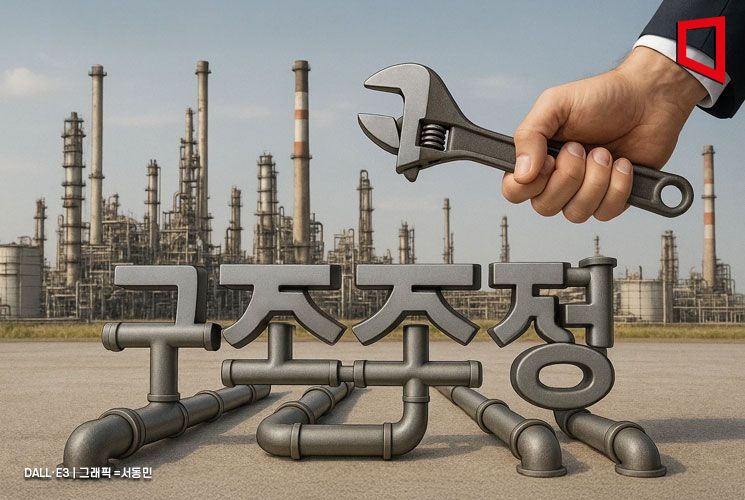
Due to the sluggish performance of the petrochemical and steel industries, it is expected that energy demand will continue to decline this year, following last year’s trend.
On January 22, the Korea Energy Economics Institute stated, "Total energy demand in 2025 is projected to decrease by 1.6%, and in 2026, it is expected to decline by a further 0.4%, reaching 303.9 million tons of oil equivalent (toe)."
The Korea Energy Economics Institute explained, "Although the Bank of Korea forecasts that this year’s economic growth rate will be higher than last year’s, energy demand is expected to continue declining due to restructuring in energy-intensive sectors such as petrochemicals and steel."
By energy source, demand for coal and oil is expected to continue decreasing in 2026, following the decline in 2025, while demand for other energy sources is projected to increase.
Oil demand is forecast to decrease by 1.5% this year, following a 2.8% drop last year, as the restructuring of the petrochemical industry accelerates the decline in industrial use, and weak recovery in the manufacturing sector leads to a decrease in diesel demand for transportation.
Coal demand is expected to fall by 5.8% this year due to a reduction in demand for power generation. Nuclear power generation decreased by 1.7% last year due to preventive maintenance, but is projected to increase by 5.1% this year, driven by the commissioning of new units Saeul 3 and 4.
Demand for gas (natural and city gas) is expected to remain at the previous year’s level in 2025, but increase by 2.4% in 2026. Electricity demand in the final consumption sector is projected to rise by 0.5% compared to the previous year.
© The Asia Business Daily(www.asiae.co.kr). All rights reserved.
![From Bar Hostess to Organ Seller to High Society... The Grotesque Con of a "Human Counterfeit" [Slate]](https://cwcontent.asiae.co.kr/asiaresize/183/2026021902243444107_1771435474.jpg)
















