Guide to This Year’s Policy Changes
Gwangmyeong City in Gyeonggi Province will expand its care and childcare benefits, as well as significantly increase support for culture, transportation, and housing. The city aims to enhance the public’s experience of policies closely related to daily life, focusing on the core administrative direction of “realizing a basic society” in 2026.
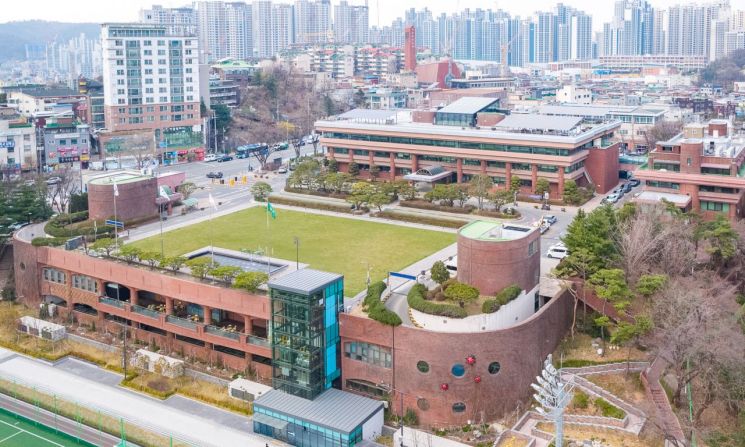
Here are the major systems and policies in Gwangmyeong City that will change this year.
Strengthening Integrated Care... Enhanced Protection for Households in Crisis
Starting in March, the city will implement integrated medical and nursing care services in accordance with the “Integrated Care Support Act.” Integrated care connects health, medical, daily living, and housing services to support seniors aged 65 or older and people with physical or brain disabilities who require complex assistance due to frailty, illness, or disability, enabling them to live healthily in their own homes.
Citizens in need of care can apply at their local administrative welfare center. After a review by specialized agencies such as the National Health Insurance Service, a customized integrated care plan will be developed based on a comprehensive assessment of each individual’s needs and health status.
Recipients will be provided with personalized care services, including: ▲ home medical care and nursing visits ▲ home care, meal, and mobility support ▲ housing safety inspections ▲ connections to cultural and social activities.
A “Long-Term Care Home Medical Center” will also be operated for long-term care beneficiaries who have difficulty visiting hospitals. The center will establish a support system involving doctors, nurses, and social workers, enabling beneficiaries to receive care at the home medical center, while those not covered by the program can access primary care home visit services.
Support for households in crisis will also be increased. The “Emergency Welfare Support Program Living Expenses” will be raised from 730,500 won to 783,000 won for single-person households, and from 1,872,700 won to 1,994,600 won for four-person households.
The “Shingles Vaccination Program,” previously provided to vulnerable groups aged 50 and above, will be expanded to include citizens aged 70 or older who have no prior vaccination history and have lived in the city for at least one year.
Support for preventive vaccines will also be expanded. Recipients can choose between live and inactivated vaccines. Live vaccines can be administered at designated medical institutions for a nominal out-of-pocket fee, and are provided free of charge for vulnerable groups. For inactivated vaccines, the city will subsidize the vaccination cost to the level of live vaccines upon completion of the second dose.
Twelve-year-old male adolescents are now included in the HPV vaccination program, and fourteen-year-old adolescents have been added to the influenza vaccination program, further expanding the scope of support.
To support the living stability of veterans, the “Veterans Honor Allowance” will be increased from 600,000 won to 800,000 won per person annually.
“Have Children” - Reducing the Burden of Childbirth and Childcare
The “Aijoa First Birthday Celebration Grant” will be provided in varying amounts depending on birth order. Starting with children born in 2025, the grant will increase from 500,000 won to 600,000 won for the first child, from 600,000 won to 800,000 won for the second child, and from 700,000 won to 1 million won for the third child or more, easing the initial childcare burden.
The “Childcare Support Program,” which provides in-home care for families with children under 12, will expand its eligibility from households with an income at or below 200% of the median income to those at or below 250%. Government-supported care hours for vulnerable families-such as single-parent, grandparent-headed, disabled parent, disabled child, and adolescent parent households-will also increase from 960 hours per year to 1,080 hours.
The income criteria for the Single-Parent Family Support Program and the Adolescent Parent Childcare Support Program will be relaxed from 63% of the median income or less to 65% or less, allowing more vulnerable families to receive childcare support.
The eligibility criteria for the “Infant and Pregnant Women Nutrition Plus Program,” which provides nutrition education, counseling, and supplementary foods to pregnant women and children under 66 months, have been improved. Instead of relying solely on health insurance premium-based median income (80%), the city will now use a combined assessment of income and assets (converted to income) to determine eligibility at the 80% median income level.
Significantly Expanded Support for Learning, Culture, and Housing
Opportunities for citizens to enjoy cultural activities will also be expanded. The annual support amount for the “Culture Nuri Card,” an integrated cultural voucher, will be increased from 140,000 won to 150,000 won per person. Additional funds will be provided for youth aged 13-18 and those aged 60-64 who are at a life transition stage.
The “Youth Culture and Arts Pass,” previously available to 19-year-olds, will now be extended to those aged 19-20, and “movie viewing” has been added as a supported category.
The city’s rental deposit and monthly rent loan interest support program for newlyweds and youth will expand the eligible age for youth from 19-39 to 19-45.
This year, the city has also introduced a new “Children’s Fruit Snack Supply Program.” This program provides domestically produced fruit snacks on a regular basis to first and second graders participating in customized after-school programs at elementary schools.
The “Climate Volunteer Carbon Savings Account” system, which encourages carbon neutrality through everyday activities such as walking and using public bicycles, will expand from 19 items in 6 categories to 24 items in 5 categories. The system has been revamped to allow citizens’ daily activities to be verified using data, in connection with services such as WalkOn and the public bicycle “Gwangmyeongi.”
The “K-Pass” system, aimed at promoting public transportation use, will also be improved. Previously, a certain percentage of the monthly public transportation fare was reimbursed if the user took public transportation more than 15 times a month. Starting this year, a new fixed-amount reimbursement system will be introduced, in which any amount spent above a set monthly threshold will be reimbursed.
Park Seungwon, Mayor of Gwangmyeong, stated, “We will meticulously enhance the living infrastructure encompassing learning, housing, culture, and the environment, and further develop policies that citizens can truly feel in their daily lives.”
© The Asia Business Daily(www.asiae.co.kr). All rights reserved.

















